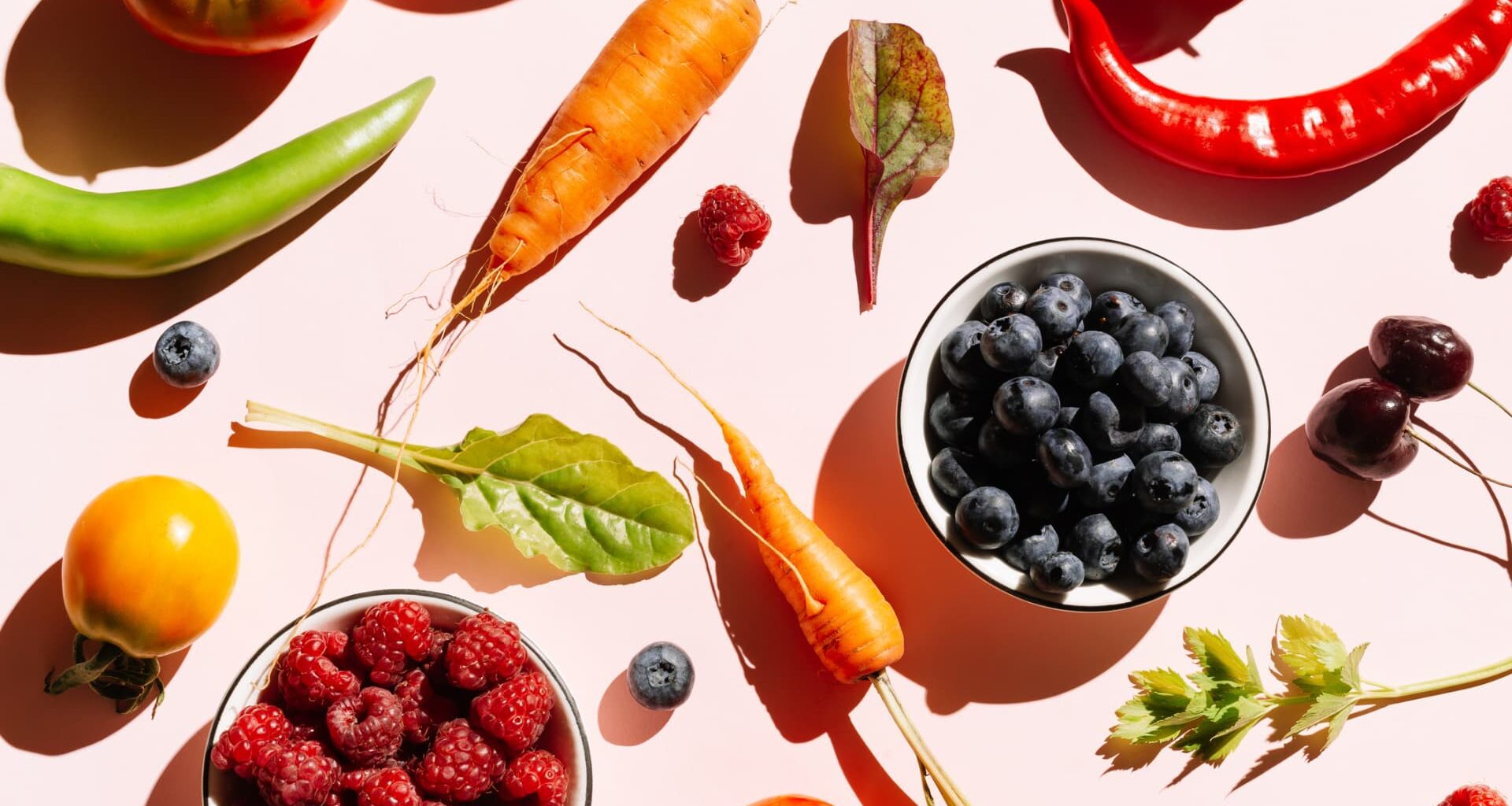
For many, a new year means new opportunities to form better habits — to meditate or hit the gym, for example. If one of your resolutions for 2026 is to eat healthier, some of the world’s leading longevity experts offer up simple ways to start.
“I recommend what I call the longevity diet, which takes from lots of different things,” Dr. Valter Longo told CNBC Make It in 2024. “Both the Okinawa diet and the Mediterranean diet.” Longo is the director of the Longevity Institute of the Leonard Davis School of Gerontology at the University of Southern California-Los Angeles.
Most of the popular diets that experts suggest for living a healthier — and longer — life, focus on whole foods, like fruits and vegetables and healthy proteins like beans and salmon. Those diets like the DASH eating plan also call for limiting or avoiding ultra-processed foods like pizza and donuts.
“You can be in any kind of dietary program you want, as long as you’re avoiding ultra-processed foods,” Dr. Darshan Shah told CNBC Make It earlier this year.
In addition to those tried-and-true tips, a few other longevity experts we interviewed this year shared some lesser-known hacks for eating well.
3 unique hacks for eating well in the new year1. Buy local produce that’s in season
Dr. Simon Feldhaus is a doctor with 30 years of experience who’s studied longevity for roughly half that time. “I personally think there is no healthy diet,” he told us in November.
Feldhaus also serves as the president of the Swiss Society for Anti Aging Medicine and Prevention and the chief medical doctor of The Balance Rehab Clinic’s Swiss Hub.
While he does focus on whole foods, he also gets more specific. “I only eat vegetables that are in season,” he said.
“Now, it’s autumn or nearly winter, and there are no strawberries growing, so why should I eat them?” He is also intentional about where he sources his food to get the best possible quality.
Buying local produce can have more benefits than improving how the foods taste. As more time passes between when produce is harvested and when it’s eaten, the higher the probability of its nutritional content and value decreasing, Wendy Lopez, a registered dietitian nutritionist, told the American Heart Association in 2024.
“Vitamins, particularly vitamin C, degrade during storage, meaning apples kept for several months may have lower levels of certain nutrients compared to freshly harvested ones,” Lopez said.
To see a complete list of what’s in-season throughout the year, you can refer to the SNAP-Ed Connection Seasonal Produce Guide via the U.S. Department of Agriculture.
2. Consider the order of how you eat your food
Human performance expert Dr. Suzanne Ferree has studied longevity for about a decade, and helps her patients, typically between the ages of 45 and 65, develop lifestyle habits for the best health outcomes.
One such practice she suggests focuses on not what they eat, but how they eat.
“The order of how you eat your food is important, so eating vegetables first, protein second, and any carbohydrates, including drinks, as your last intake is the way to go,” Ferree said in October.
“It helps with slowing down that glucose absorption, so that you’re not getting such high spikes of blood sugar.”
The process of ordering your foods how Ferree described is what experts call, “meal sequencing.” It’s a practice that can be particularly beneficial for people who have diabetes or pre-diabetes, Jessica Hernandez, a registered dietitian wrote in an article for Ohio State University’s health blog.
3. Make your own ‘fast food’
Sometimes the food choices you make are purely based on what’s convenient. Japanese nutritionist and longevity expert Michiko Tomioka understands — and she has a solution.
Tomioka believes that you can “stay healthy without giving up convenience” by making your own versions of fast food at home.
When Tomioka is craving something hearty like a hamburger and French fries, she makes roasted potatoes, pumpkin or sweet potatoes with olive oil, garlic and a touch of cinnamon. The perfect thing about the recipe is that after seasoning your vegetables, you can just place them in the oven.
If she’s looking to satisfy her sweet tooth with foods like donuts, she instead makes a whole grain rice ball, or toasts some bread and tops it with nut butter and a banana.
For more of Tomioka’s fast food alternatives, plus ways that you can hold yourself accountable when you’re desiring takeout, check out the article she wrote for CNBC Make It in September.
Want to give your kids the ultimate advantage? Sign up for CNBC’s new online course, How to Raise Financially Smart Kids. Learn how to build healthy financial habits today to set your children up for greater success in the future. Use coupon code EARLYBIRD for 30% off. Offer valid from Dec. 8 to Dec. 22, 2025. Terms apply.
Take control of your money with CNBC Select
CNBC Select is editorially independent and may earn a commission from affiliate partners on links.