Maybe this time will be different.
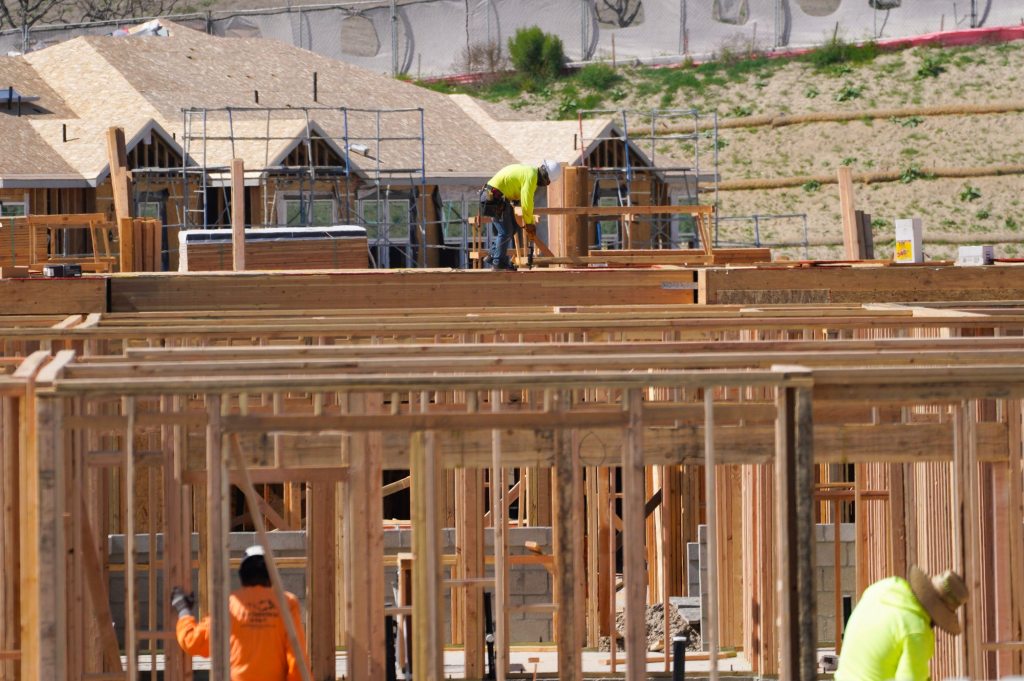
For several years, the California Legislature and some cities like San Diego have approved numerous measures aimed at increasing home construction in the hopes that will ease the state’s chronic shortage of affordable housing.
Yet progress hasn’t met the promise as large segments of the population remain priced out of the housing market or struggle to keep up with rent.
A new year has dawned on the heels of more pro-housing regulations at the local and state level, and a vague pledge from President Donald Trump for aggressive policies to make housing more affordable nationwide.
Big real estate brokerage firms are anticipating good things this year.
Redfin has dubbed 2026 “The Great Housing Reset,” while Compass has described it as the start of a “new era,” according to CNN.
That could be. There are a lot of things to further encourage development, potentially boosting the housing stock, and some indicators that suggest the housing market, now in a lull, will pick up.
But, as always, there are looming factors that could dampen that positive outlook, most of them economic.
First, let’s start with why more and potentially more-affordable housing may be in the offing. Locally, there was a flurry of legislative housing action last year, particularly near the end.
New regulations will push for higher housing density and streamlined processing, according to David Garrick and Lucas Robinson of The San Diego Union-Tribune. Environmental reviews may be expedited for certain projects under changes in state law, particularly in urban communities.
More mid-rise and even high-rise housing will be allowed in areas such as suburbs where zoning restrictions previously kept them out.
A couple of downtown San Diego office buildings proposed to be repurposed for affordable housing are moving ahead, though they are not done deals. One of them, the troubled 101 Ash St. building, would not only become residences for lower-income people if things go as planned, but could possibly be a symbol of turning a civic nightmare into something worthwhile.
The on-again, off-again effort for a massive redevelopment of the city’s sports arena property — with thousands of housing units, commercial venues and a new arena — is also moving forward, according to developers of the Midway Rising project.
They say the state density bonus law allows them to work around a seemingly project-killing court ruling, which overturned the voter-approved lifting of the 30-foot height limit for the area. More legal action is pending. The jury, so to speak, is still out on that one.
Housing advocates, and more recently Mayor Todd Gloria, have unveiled efforts for less intense density such as townhomes in single-family zoned neighborhoods, allowing more units on a lot to create lower-priced houses aimed at the middle class.
The city of San Diego has been heading in this direction for years. Now, the county Board of Supervisors is planning on a long-term rewrite of zoning that would allow for increased housing density in some unincorporated areas.
As for the here and now, the San Diego region recently experienced something of a boom in apartment construction, with many projects — large and small — opening recently. Average rents in San Diego County fell for six straight months, a milestone not seen in 15 years, according to the Union-Tribune’s Phillip Molnar. He cautioned that the decreases have been incremental and that rents, generally, are high.
Molnar also has noted that home-sale prices, while also still high, have slightly decreased for five months, yet people weren’t rushing to buy.
Nationwide, analysts note a similar trend, but expect things to pick up next year with increased housing stock and stable prices. In San Diego and elsewhere, home prices had exploded since the COVID-19 pandemic.
According to CNN, many economists anticipate that rising incomes will start to outpace home prices, “making homes feel more affordable for many Americans.”
Details of what Trump has in mind are scarce so far, though he included housing reforms as part of a broader “affordability” push announced last month.
CNN reported Trump aides have privately discussed finding ways to drive mortgage rates to around 4 percent, viewing that as a threshold needed to boost the housing market, along with measures to spur more homebuilding.
But optimism is tempered by the fact that housing prices are still high and mortgage rates are expected to hover around a still-tough-to-swallow 6 percent, even though that’s down recently.
Despite a roaring stock market, there’s uncertainty about where the economy is headed, and the high cost of materials, labor and financing remain hurdles despite looser regulations on housing. The cost of land and insurance coverage, particularly in California and some other states, can be off-putting.
Further, there’s a question of whether the politics of development are changing in San Diego and California. Much of the state housing legislation, which usurped local controls, was in response to years of resistance to more housing in many communities.
San Diego City Hall may have joined the pro-housing march years ago, but there are indications that may be changing. Neighborhood groups frustrated by what they consider to be overdevelopment have become more active.
The city last year rolled back parts of its ordinance that pushed for more backyard accessory dwelling units, with some council members citing provisions that allowed dozens of units on some properties instead of a maximum small handful.
Officials in some North County cities, who have long chaffed under California housing requirements, are contemplating a 2028 statewide ballot initiative to claw back some of the local authority on development matters taken away by the Legislature, according to the Voice of San Diego.
Even if something like that doesn’t happen, or there’s not a major shift in political winds, there are still the lessons from years of pro-housing local and state action.
Zoning changes, community plan updates and density bonuses can encourage more housing construction, but they don’t guarantee it.
Housing affordability remains a critical concern.