The Connecticut Department of Environmental Protection has developed a management plan for an ecologically significant state forest that aims to protect wildlife, foster diversity and mitigate the impacts of climate change over the next decade.
The Nye-Holman State Forest, a 906-acre parcel in the towns of Tolland, Ellington and Willington, will now be under a state forest management plan that aims to promote its forest health and diversity.
Under the plan, around 20% of Nye-Holman will now be designated as an “old forest management area” and be allowed to develop without any human intervention.
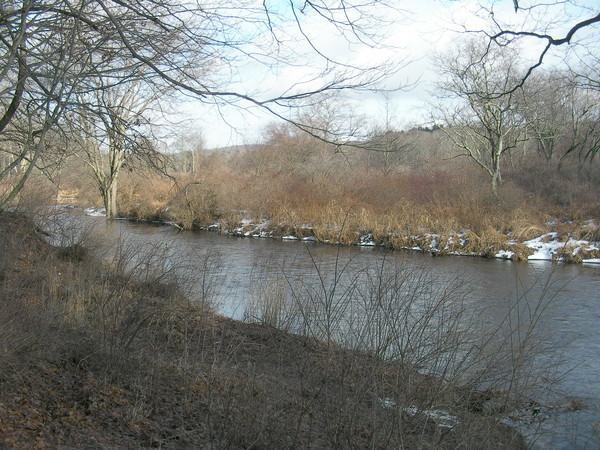
Nye-Holman also protects significant portions of the Roaring Brook and Bonemill Brook watersheds, critical habitats for state-listed threatened, endangered and special concern species, according to DEEP.
The management plan also aims to “promote carbon sequestration and storage,” to mitigate the impacts of climate change and “improve the natural resources in the forest.”
Among the goals outlined in the management plan are diversifying the forest to create more suitable wildlife habitat and improve forest resilience, re-establishing native plant communities by reducing competition from invasive plants, improving infrastructure for access, protection from and resilience to the negative effects of climate change and protecting state-listed critical habitat for black spruce bog.
“Nye-Holman State Forest contains a variety of forested ecosystems that showcase its history as a state nursery and demonstration forest. This plan aims to maintain and improve the diversity, function and resilience of the forest,” DEEP said in a statement.
“This management plan addresses invasive plants, invasive insects, extreme weather events, climate change and unauthorized use. The recommendations in this plan are intended to protect the long-term function of the forest.”
The plan, which was created through historical records and stakeholder group outreach, will guide forestry and wildlife habitat management activities in the forest over the next 10 years, according to DEEP.
It also includes commercial harvests on 170 acres. The “logs and firewood produced by these operations will provide local jobs, raw materials for durable goods, and heat local homes,” the document reports.
The area had once been “voraciously logged for timber to feed the industrial revolution’s unrelenting demand for wood products,” according to DEEP.
The forest, 186 acres of land, became part of state property in 1931, through a gift from Mrs. Alice Henry Hall of South Willington, according to stateparks.com. “The forest is named for her great-grandfather, Samuel Nye and her father, William Holman” and Samuel Nye had received “500 acres in 1719, when Tolland was set off from Windsor,” according to the site.
“In 1931 a transplant nursery was established. The nursery grew up to as many as 225,000 young trees. The nursery operation ended in 1947. A legacy of this nursery is the variety of plantations and plantings in the forest near route 74,” it notes.
Stephen Underwood can be reached at sunderwood@courant.com.