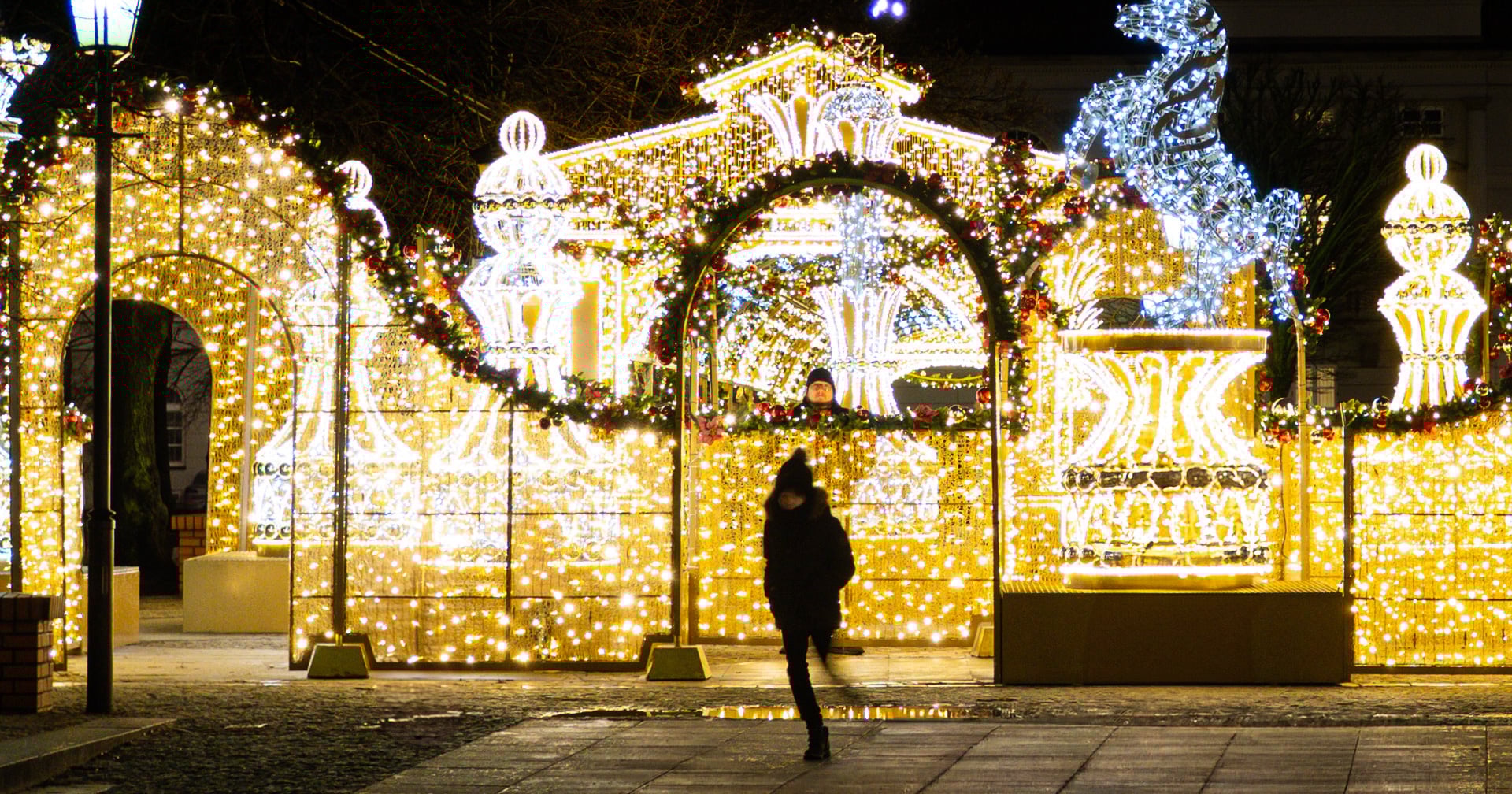
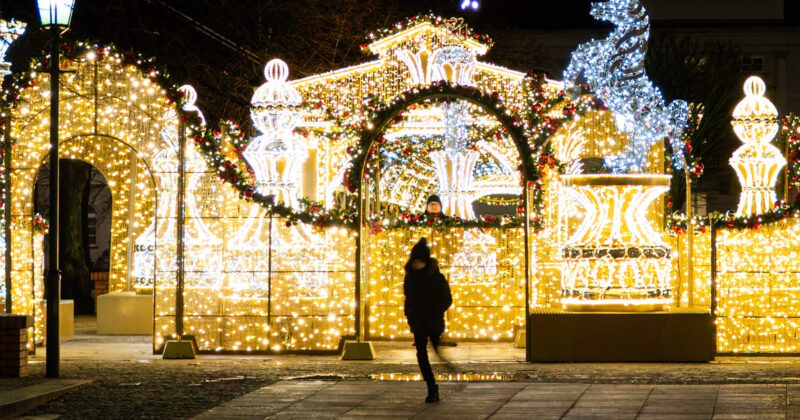
Street photography documents contemporary life. If done well, it can be one of the most compelling genres for viewers. It is also a regularly debated genre of photography, and opinions differ on what exactly is street photography.
When is a street photographer not a street photographer? When they’re on a cul-de-sac, they’ve reached a dead end. Okay, I have never had any delusions that I would win any comedy prizes, and I don’t claim to be a street photographer either. However, it’s something I love to browse and, sometimes, dabble in.
What is Street Photography?
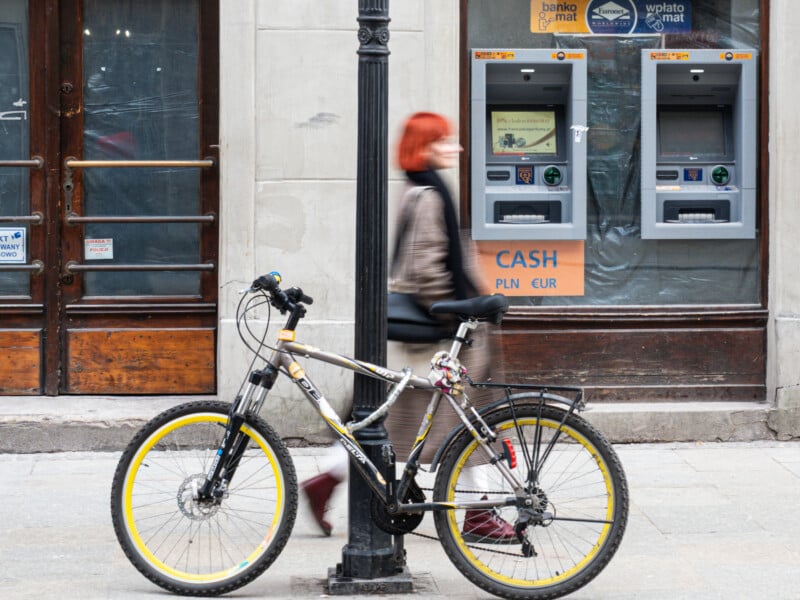
Street photography can be defined as the photography of (mainly) people interacting with (primarily) the built environment. The “mainly” caveats are there for flexibility. You can stretch the definition to include, say, domestic animals and other public spaces such as beaches, parks, and zoos.
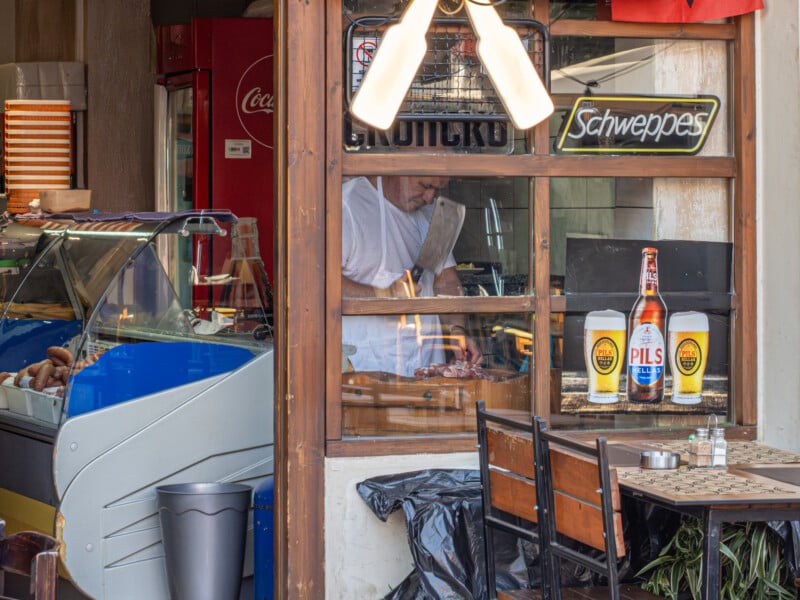
Street photography can be in color or black and white. The photos can be close-up portraits or taken from further back. They might be shot with or without the subject’s knowledge or permission. It can be posed or candid.

The Rule You Must Obey
There is arguably more nonsense spouted about street photography than any other genre. A lot of that is about which focal length you must use. However, there are absolutely no prescriptive requirements. You are allowed to attach any lens to your camera as long as it gives you the results you want.
To be successful, there’s one thing it really needs to do: tell a story. Now, all photos, to a greater or lesser extent, do that. However, a successful street photograph conveys something interesting to the viewer. It might ask a question, such as, “What is that person doing there?” Or “Why are they standing like that?” Alternatively, it could be a statement about solitude, a moment of tenderness, or the person having something in common, or juxtaposed against the backdrop.

We want the photo to be interesting, not every day, run-of-the-mill scenes. This is subjective, but I don’t get excited by images of people holding coffee cups or staring at phones. There are exceptions. For example, juxtaposing a person staring at a phone screen with something more interesting that they are ignoring can make the image compelling.
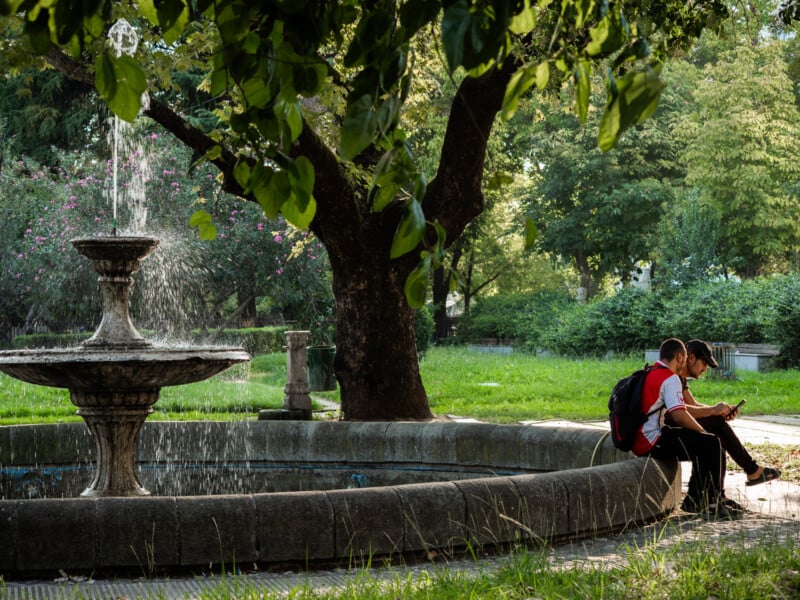
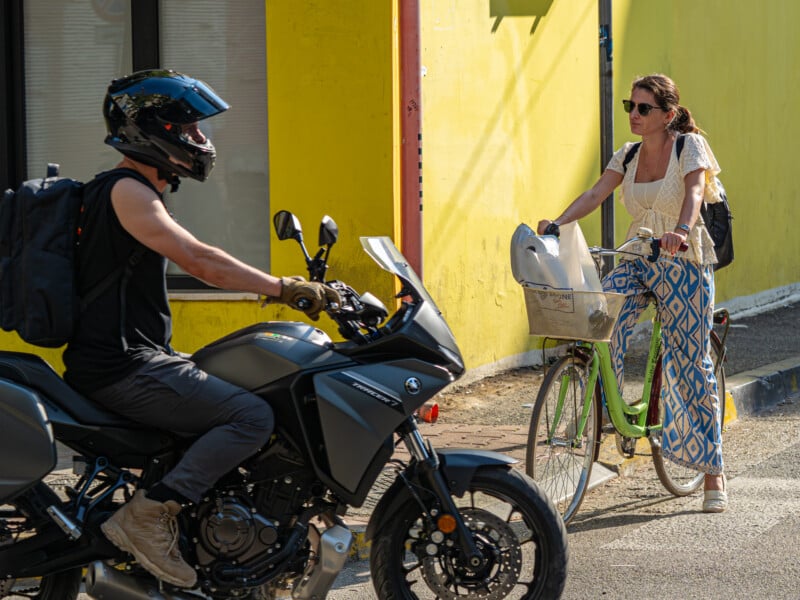
Inevitably, photos reflect the time in which we live and the culture of the place where we are shooting. For example, the images shot today will look very different from those shot thirty years ago. Besides the ubiquitous coffee cups and cell phones, clothing, vehicles, shop fronts, and people’s activities are all quite different now from what they once were.
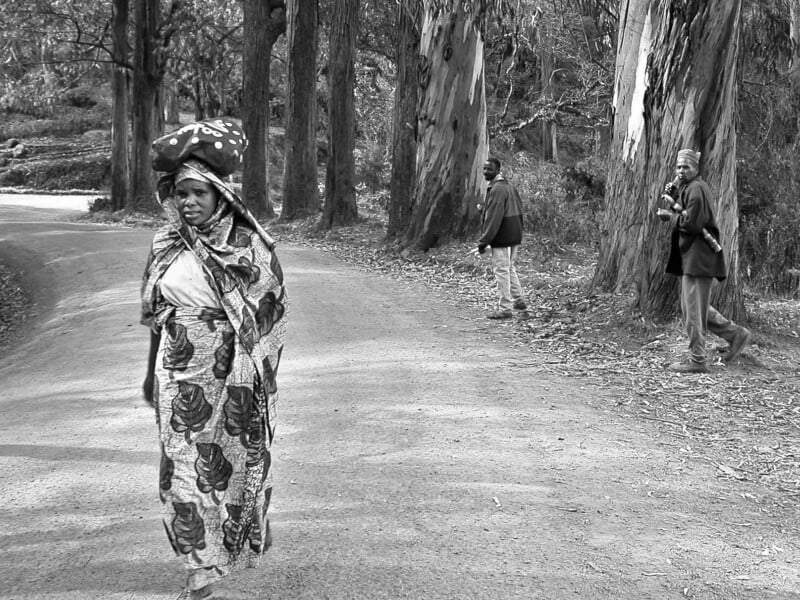
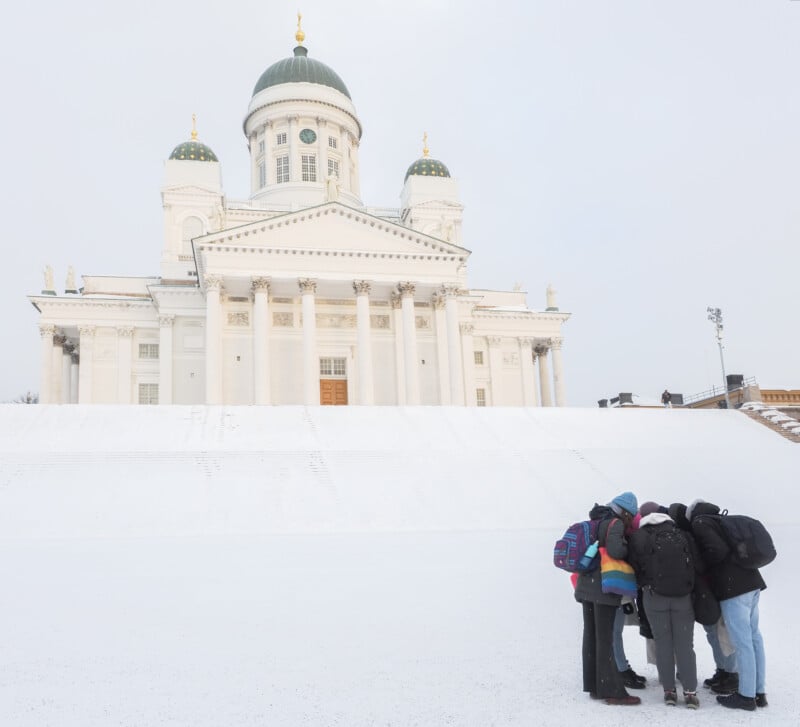
The style of your street photography will depend heavily on your location. The photos I shoot where I live, a small and quiet fishing and ex-coal miners’ town, are very different from those I take when visiting a big city. Then, street photos from here are quite a long way from those I shot on a recent visit to Albania, which, in turn, had a very different feel from those I shot in Helsinki, Finland.
Is Street Photography Morally Acceptable?
There are moral considerations with street photography. Just because you can take a photo doesn’t mean that you should. For example, if you take a picture of a homeless person, then, unless you pay them, you are profiting from their misfortune. One also needs to be very careful when photographing children. Covertly pointing a long lens at a child is likely to cause obvious problems for the photographer, as it may cast doubt on their motives.
Furthermore, there are legalities to consider. In the USA, privacy laws vary from state to state. In most cases, you are allowed to take photos in public spaces because there is no reasonable expectation of privacy. Nevertheless, how those images are shared or used can vary. Artistic use of the images may be protected under the First Amendment.

Overseas, some countries have far stricter privacy laws, and in some cases, human rights considerations also come into play. For example, Article 8 of the European Convention of Human Rights says, “Everyone has the right to respect for his private and family life, his home and his correspondence.” That has been tested regularly in court. So, it is probably best to err on the side of caution.
Furthermore, if you are photographing for commercial purposes, i.e., if you plan to make money or promote your business from the photograph, local data protection laws may apply.

Street Photography Techniques
There are two ways to approach street photography. One is to move around and photograph the people who pass by. The second approach is to find a good backdrop and wait for the action to happen.
Towns are not homogeneous, so there will be hotspots as well as dead zones with little interest or activity. Walking around will bring more variety of places and people, whereas staying still in a hotspot will increase the chances of you being there when something interesting happens. It will also make you better at anticipating actions people will repeat.
Possibly the most famous street photography shot of all time is Henri Cartier-Bresson’s “Behind the Gare Saint‑Lazare“. Cartier‑Bresson was photographing through a gap in a fence behind the station, where he saw the puddle and the reflections, and pre‑composed the frame. He then waited briefly for something to enter the frame. When the man jumped, he took one single exposure. This approach aligns with his “decisive moment” philosophy to compose first, then wait for life to complete the picture.
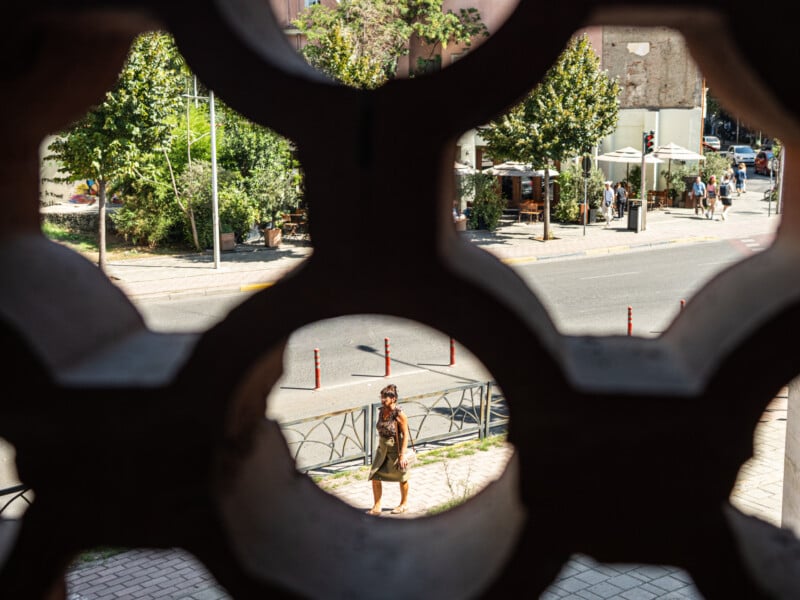
But he was also known to almost dance around the streets, finding compositions and actions to photograph. Of course, to frame well-composed shots repeatedly without later cropping them required enormous amounts of practice.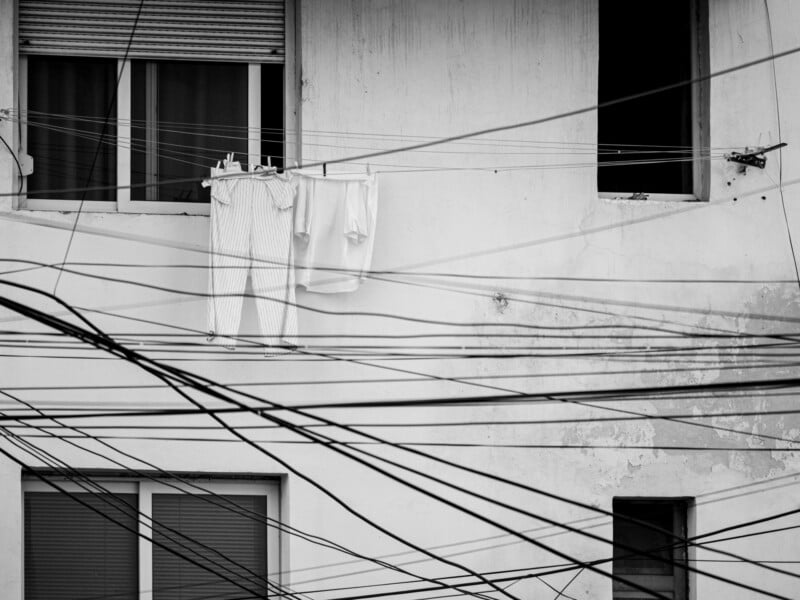
Street Photography Resources
There are plenty of articles here on PetaPixel about street photography. But there are some other specialist street photography sites that are great for inspiration.
For example, Brandon Stanton’s Humans of New York has been around for a long time and is a great example of street portraiture, featuring stories from the featured subjects.
Clément Chéroux is the Chief Curator of Photography at the Museum of Modern Art in New York City, and his biography of Henri Cartier-Bresson (Thames and Hudson ISBN 978-0-500-30124-1) gives a good insight into the life of the father of street photography.

A non-commercial site worth exploring for its words and articles is called Street-Photography. It has some great photography of people interacting with the public environment. It features the works of Michael W Plant and David Castillo, as well as interviews with other great street photographers.