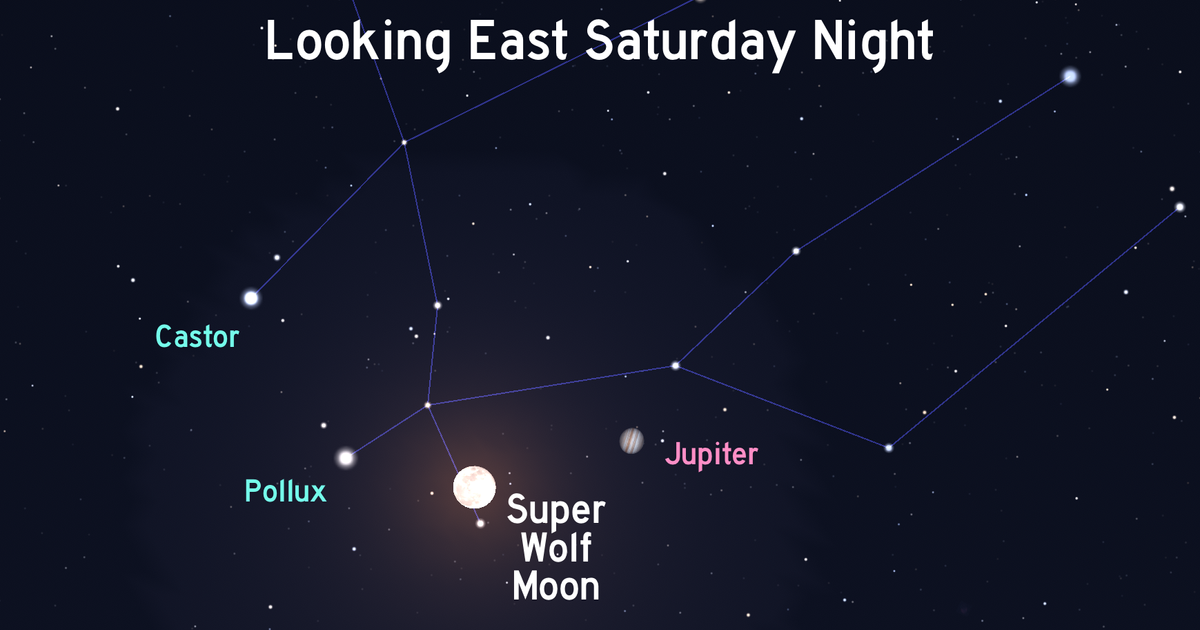
Today’s clouds have cleared revealing the full moon, the final of four supermoons beginning in October, We won’t see another supermoon until November.
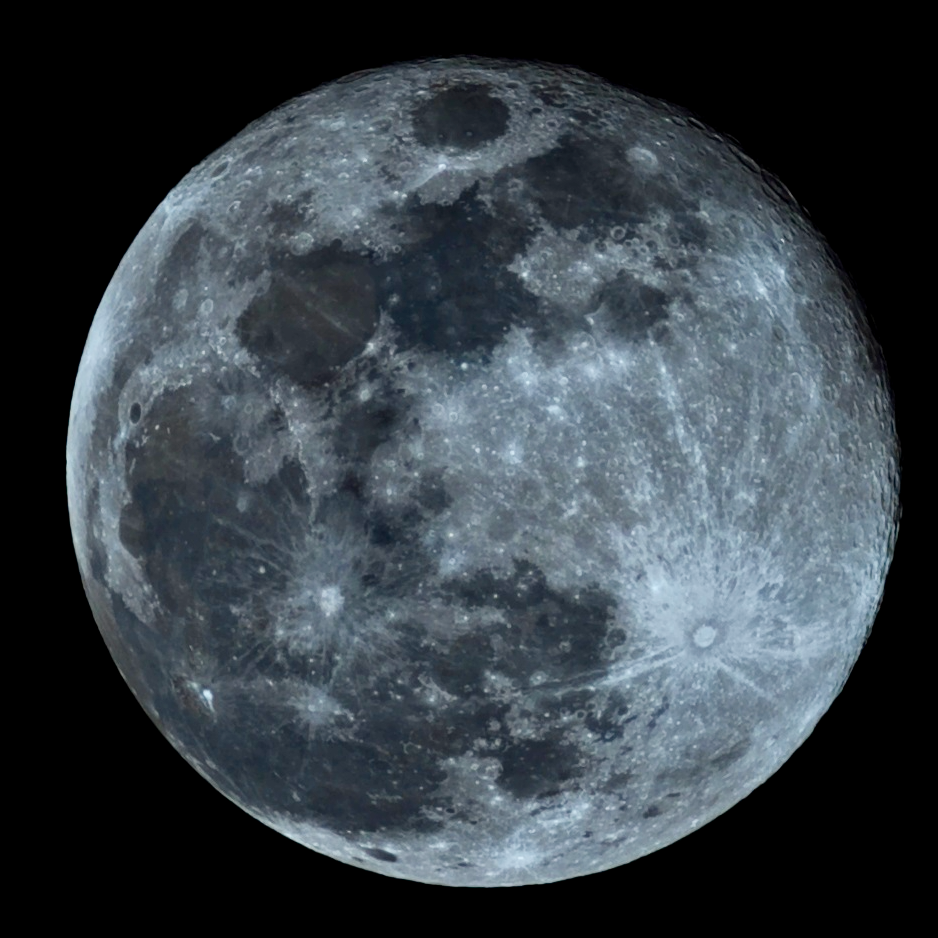 Full wolf supermoon around 9:30 pm
January’s full Moon is also known as the Wolf Moon, a name popularized by The Old Farmer’s Almanac. The name comes stories passed down through generations of Algonquin people of the howls of wolves heard during the long, cold, midwinter nights.
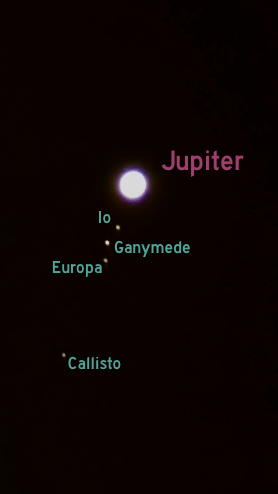
The bright object to the right of the Moon is Jupiter. A small telescope or a steady pair of binoculars can bring Jupiter’s brightest moons into view. To the left are Castor and Pollux, the brightest stars in the constellation Gemini. Together, they form a noticeable L shape in the January sky.
Jupiter will remain visible near Castor and Pollux throughout the month.
Happy Perihelion!
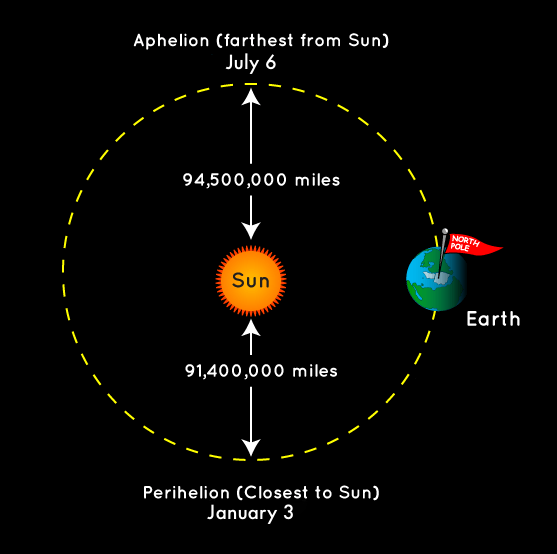
Today, Earth reached perihelion, the point in its orbit when it is closest to the Sun. Even though the weather may feel cold and rainy, Earth is actually closer to the Sun today than at any other time of the year.
Earth will slowly move farther from the Sun over the next several months. By early July, it will be about 3 million miles farther away than it is now. While that distance sounds large, it represents only about a 3 percent change in Earth’s distance from the Sun.
The seasons are driven by Earth’s 23.5 degree axial tilt. During the winter months, the Northern Hemisphere is tilted away from the Sun. This spreads the Sun’s energy over a larger area, which leads to cooler temperatures.