

An unwritten but very real rule of screenwriting is that the characters at the center of your movie have to be a little stupid — mainly so there is an explanation for how they got themselves into a dangerous adventure and why they fail to solve their problem in the first 10 minutes. At the same time, the audience is not supposed to think of them that way, so it can still identify with them and like them.
This is doubly true for horror movies: Who is the idiot who walks into a dark corridor, splits up from friends in a dangerous situation or, alternatively, does not immediately flee a place where a creep is clearly bad news and an express route to a gruesome death? Well, characters in horror movies.
Dozens of films in the genre, and horror parodies, have grappled with justifying this situation. Some of them embrace the stupidity and wink at the audience, in a kind of “we know that you know this is implausible, but let’s enjoy watching idiots get slaughtered.” The Housemaid, which is not exactly a horror film but more of a thriller with romantic touches, treats its own stupidity and that of its characters very seriously, at least at first, as if this were the first time we had ever seen the premise it presents.
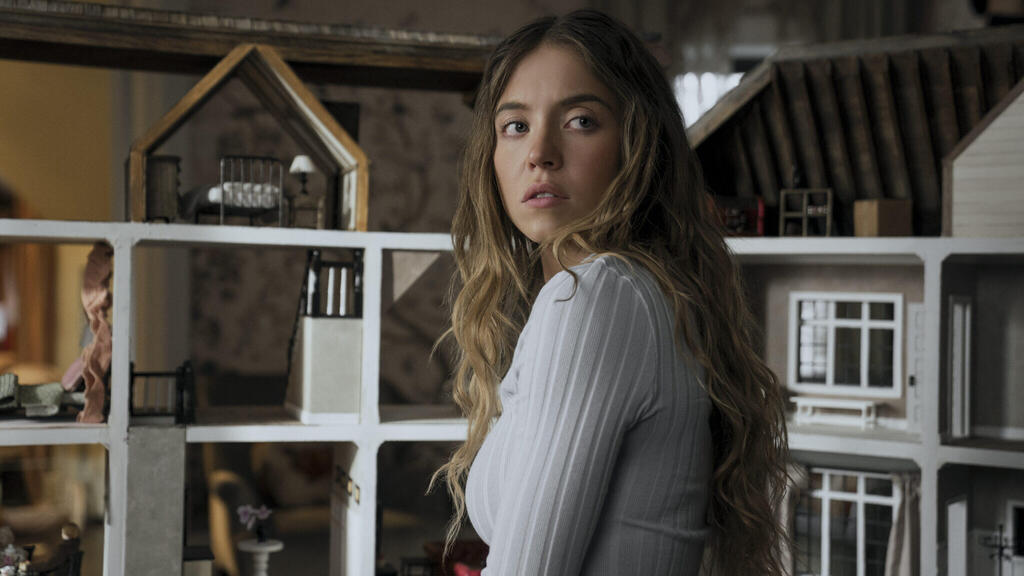
The story goes like this: Millie is a recently released, still-hounded ex-con looking for work (Sydney Sweeney — somehow, in American movies, miserable poor women are always young, blonde, attractive and perfectly made up). She applies for a housekeeping job at an envy-inducing mansion, assuming your dream is one of those pristine American homes on Long Island. Her employer is Nina (Amanda Seyfried, who looks entirely like a wax figure), and from the second scene it is clear that she is — sorry — a psychopath. And if not her, then there is her creepy ballerina daughter, who from the start shoots the heroine looks that say “I will kill you,” and also the handsome, overly nice husband in a vaguely unsettling way (Brandon Sklenar), who serves as a dangerous romantic temptation for our protagonist. So what does she do? Well, obviously she keeps working there, and even begs to stay once the abuses by the cruel boss begin to pile up.
The Housemaid was directed by Paul Feig (Bridesmaids, Ghostbusters, A Simple Favor) — which is a bit surprising. Not in terms of genre: Feig is arguably Hollywood’s No. 1 director of female intrigue, what used to be dismissively called a “women’s director” before some people got the memo that women can direct, too. His films also always incorporate a lot of humor. But the most disappointing thing about The Housemaid is that Feig has already told essentially the same story and worked in the same world in the excellent A Simple Favor and its sequel, Another Simple Favor, released last year.
3 View gallery
 There, too, the center was a story of friendship-rivalry between two women in America’s wealthy milieu (Anna Kendrick and Blake Lively). One is “simple” and a bit dim, the other a millionaire with a handsome husband and possibly murderous tendencies — and every frame of the spiral staircase in the overdesigned home of the rich woman screams, “We’ve seen Hitchcock!” What is strange is that unlike The Housemaid, A Simple Favor was genuinely funnier and more parodic, as contemporary thrillers more or less have to be in order to justify the absurdity of their basic situations.
That is not the case here. For three-quarters of its runtime, for lack of a better description, The Housemaid is a really, really stupid movie. Sweeney wants to leave, but she can’t! The woman she works for is hysterical and gives the impression she might murder her over any small thing, but who knows, maybe that’s better than working somewhere else. (Yes?) The husband is dreamy and handsome, and she knows an affair with him will open the gates of hell, but on the other hand, the jerk keeps being handsome.
There is also, again, a kind of spiral staircase, and early on one of the characters says next to it that “one day they’ll probably find my body on the floor down there” — so you will never guess what happens at the end. Yes, it turns out the creators of The Housemaid, including Feig and screenwriter Rebecca Sonnenshine, who adapted a minor 2022 bestseller by Freida McFadden, think they are also the first to invent the concept of foreshadowing. There are, of course, jump scares with characters lurking and popping out from behind mirrors, and conveniently overheard conversations between secondary characters that hand both the heroine and us all the backstory we need.
3 View gallery
Then comes “the big twist” and “the big reveal” in the final third, exactly where the screenwriting manuals say they should be. They, too, are visible from miles away to anyone who has seen a thriller or two, and are delivered via clumsy voice-over monologues. But there is also good news: The movie finally commits wholeheartedly to its own stupidity, and in its last half hour at least, it truly becomes a sleazy, knowingly idiotic horror thriller — one that seems more interested in making fun of itself and the genre than in pretending there is a serious story here. Feig finally wakes up, just an hour and a half too late.
It is possible that this gap between the seriousness of the opening and the exaggerated, absurd turn that follows is entirely intentional. For the record, some audience members in the theater roared with laughter in the final minutes, and it may well have worked for them more than it did for me. I felt, instead, that I had been kept semi-awake through three-quarters of a bad movie in order to deliver a fairly worn and predictable joke at the end.
Sweeney’s star power — she is the it girl of the moment — may also have played a role in the audience’s enthusiasm, but honestly she is fairly standard here and not particularly good. Yet another white heroine with an attractive chest, emphasized again and again by strategically convenient necklines, which have become one of her visual trademarks since her breakout appearance on Saturday Night Live, and with whom audiences automatically identify.
3 View gallery
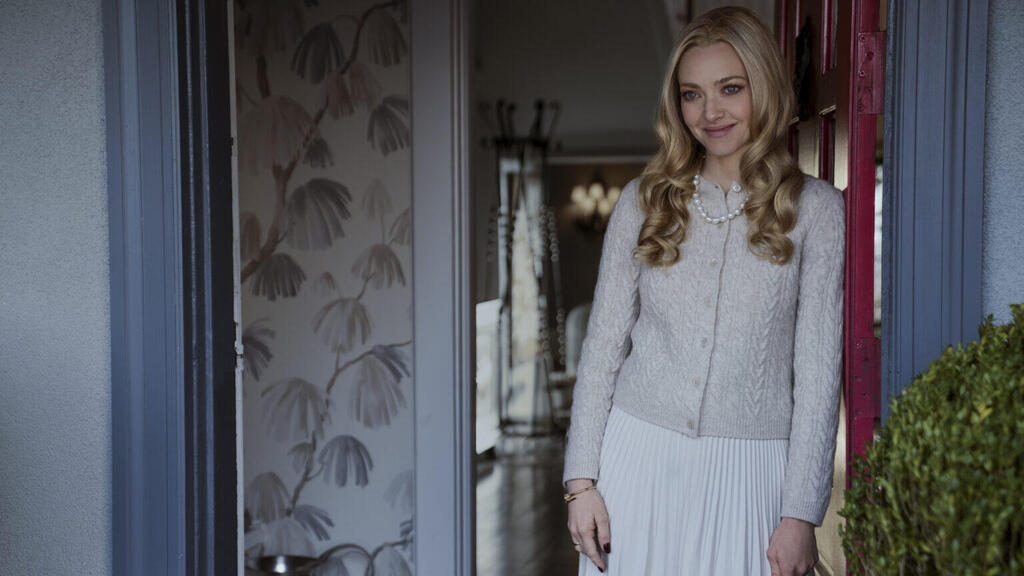
In addition, The Housemaid emerges on the losing end of all the inevitable comparisons and influences, chief among them Hitchcock’s Suspicion (1941) and Rebecca (1940), about women who suspect or are tormented by the thought that their handsome husbands might murder them in a grand mansion, and Henri-Georges Clouzot’s still-terrifying Les Diaboliques (1955), about a deadly love triangle involving two women and a man, with possible murder constantly hanging in the air. Most of all, it is clear that The Housemaid desperately wants to be a female version of David Fincher’s Gone Girl, with the same shopworn insights about murder and mutual abuse between spouses as a metaphor for marriage, only there, everything was written and executed far better.
The result, then, is a romantic horror thriller that is not very scary, not very funny, not very romantic or arousing, and above all not very original. But hey, Sweeney is a star, there is no point denying that, and some people will enjoy it simply for the chance to see her on screen. Let them enjoy.