Home
»
America Travel News
»
What’s Next for New York City Tourism: Projections for 2026 and Beyond-Find Out NOW
Published on
January 5, 2026
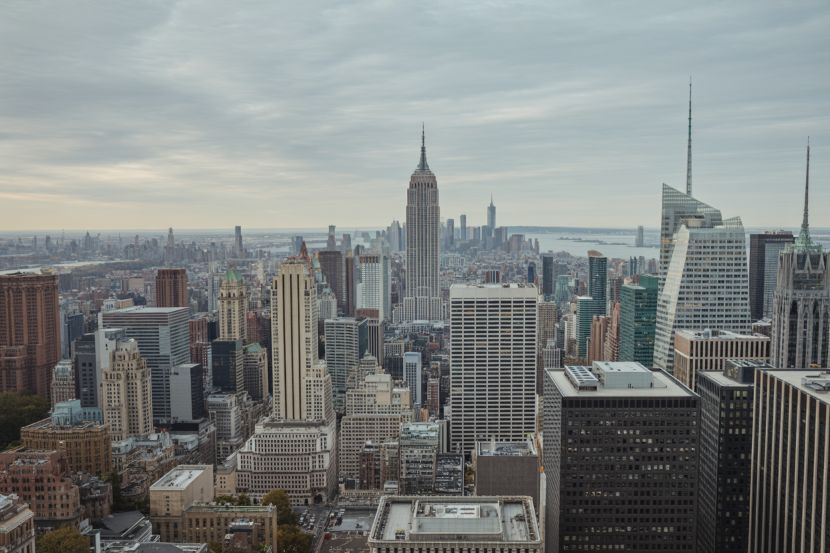
New York City’s tourism industry, a pillar of its economy, is still in the process of recovery in 2025, falling short of pre‑pandemic numbers by millions of visitors. According to the latest tourism reports, while visitor numbers have rebounded significantly from the steep declines of 2020, they still haven’t reached the record highs seen in 2019, when 66.6 million visitors flooded the city’s attractions, hotels, and iconic landmarks.
Official projections from the New York City Economic Development Corporation (NYCEDC) show that visitor totals in 2025 are expected to fall short by nearly 3 million compared to 2019. Although the city has made strides in its recovery, tourism levels remain below the 2019 benchmark. This is despite the gradual return of both domestic and international travel. According to tourism + conventions data, New York City is set to welcome approximately 64.7 million visitors in 2025, which is still below the pre‑pandemic peak.
The Impact of International Travel Declines
One of the primary factors contributing to this shortfall is the slower-than-expected return of international tourism, a sector that has traditionally made up a significant portion of the city’s tourism revenue. The global travel environment has remained turbulent in the aftermath of the pandemic, with restrictions, visa delays, and ongoing geopolitical tensions impacting the volume of international visitors, especially from key source markets like Europe, Asia, and Canada.
Though domestic travel has shown strong growth, international travel recovery has been more gradual. Countries that once sent large numbers of visitors to New York City, such as China, Japan, and the United Kingdom, have not yet reached their pre‑pandemic levels, primarily due to continued air travel challenges, visa complications, and shifting travel preferences post-pandemic. NYC’s international tourism still lags behind the figures recorded in 2019. Reports indicate that long-haul travel is slower to recover compared to short-haul regional visitors.
Business Travel Still Struggling
Another key factor behind the slow recovery of New York City’s tourism is the persistent decline in business travel. Before the pandemic, business visitors made up a substantial part of New York City’s tourism economy, contributing to mid-week hotel bookings and high-end spending in restaurants, transport, and entertainment. However, the shift toward remote work and virtual conferences has left a notable gap in the business travel sector. While leisure travel has surged, business travel has not fully rebounded, especially for corporate conventions, trade shows, and meetings, which have still not returned to the robust numbers seen in 2019.
The impact on hotels is evident, as weekday bookings remain low compared to weekend leisure stays, a phenomenon that hasn’t been seen in the city’s tourism landscape for decades. According to official data from the NYC Comptroller’s Office, business travelers’ absence has been particularly noticeable in mid-week hotel occupancy rates, with many hotels adapting by catering more to the leisure segment.
Recovery in Domestic Leisure Travel
Despite these challenges, domestic tourism in New York City has been a significant success story. Americans, especially those from nearby states, have been eager to revisit New York City, and the city’s tourism sector has benefited from this strong regional interest. The theatre district, museums, and outdoor attractions like Central Park have experienced noticeable foot traffic increases, and hotel occupancy is approaching pre‑pandemic levels during peak seasons. Domestic tourism is poised to grow even further as Americans continue to embrace travel post‑pandemic, with destinations like Times Square, Brooklyn, and the Statue of Liberty seeing higher visitor numbers than in years prior.
New York City’s tourism growth in 2025 has largely been driven by the strong performance of leisure travel. With fewer international tourists and business professionals, the focus has shifted to tourism-driven leisure attractions that have flourished, thanks to improved safety protocols and a more relaxed global travel environment.
The Economic Impact and Future Projections
Although visitor numbers have not yet returned to 2019 levels, there is no doubt that New York City’s tourism sector is on the mend. As reported by official economic bodies such as the NYC Department of Tourism and the NYC Economic Development Corporation (NYCEDC), the economic impact of tourism has significantly improved since the pandemic. As the year progresses, experts are hopeful that international visitor levels will increase, especially as airlines resume full international routes and travel restrictions ease in certain parts of the world.
The 2025 projections show that tourism-related spending will continue to climb, although it will likely remain shy of the pre-pandemic benchmark set in 2019. The city’s attractions, museums, cultural venues, and restaurants have seen strong post-pandemic recovery, with tourism-generated income increasing year-over-year. However, full recovery to the 66 million mark won’t be immediate, and experts predict that it could take several more years before New York City fully rebounds in terms of visitor volume and spending.
What’s Next for NYC’s Tourism Sector?
Looking ahead, New York City remains an attractive destination for tourists, both domestic and international. While challenges remain, tourism professionals are confident that by 2026, the city will have fully recovered from the pandemic slump. The key drivers of this recovery will likely be international travel, particularly from Asia and Europe, and the return of business events as global industries adjust to new work models.
Furthermore, New York City Tourism + Conventions has already launched several initiatives aimed at boosting international tourism through digital marketing campaigns, global partnerships, and more targeted promotional efforts for cultural events like Broadway Week, New York Fashion Week, and large-scale exhibitions. Additionally, the city is looking to expand its hotel and hospitality sector to accommodate growing demand as more travelers return.
While the journey back to pre-pandemic tourism numbers is still in progress, New York City remains a world-renowned destination, resilient and determined to regain its position as a global tourism powerhouse.
