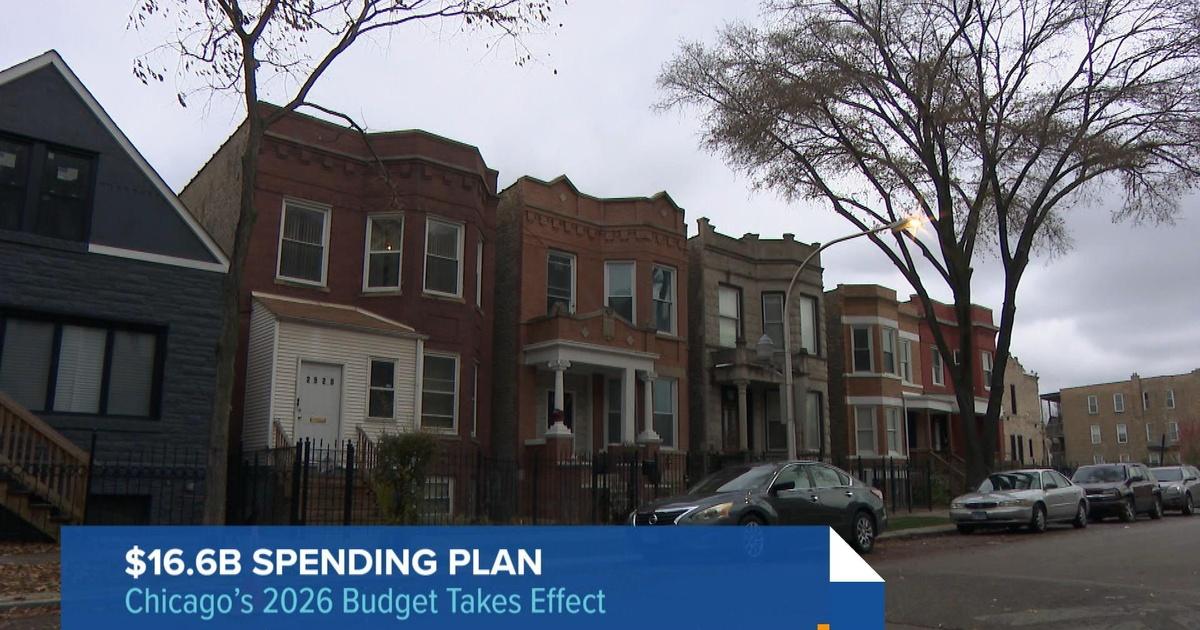
>> After months of debate, Chicago finally has a new budget or Heather.
Sharon joins us now with what that means for Chicagoans and their wallets.
Heather, the city’s spending plan for 2026.
Had to close a nearly 1.2 billion dollar shortfall which we knew about.
How did they do it?
Well, with a host of tech, new taxes and new fees, but not a tax on big firms for each employee that they have in Chicago.
That was the big sticking point.
Mayor Brandon Johnson really pushed for A healthy majority of the city council said no Also not in this budget.
Grocery tax, which is going to save the average Chicago family about $100 a year.
>> But people have to be sure to bring those tote bags because the cost paper and plastic bags to take that from home.
That’s going to cost to double what it did last year.
Also, it’s going to cost you more if you call Uber or Lyft from the expanded downtown area and it’s really not clear whether cuts are fees are in the offing.
Great.
So I ask the question that everybody, especially those who own property in the city of Chicago want to know our property tax is going to go up because of this.
Yes, the average Chicago homeowner is going to pay about $12 more a year to restore funding for the Chicago Public Life.
Right?
That will keep about 70 positions that were set to be eliminated on the books.
But the big increase that people will see, it’s not going to come from the city, but the Chicago Public schools which hiked property taxes by the most they’re allowed to under state law that will add an additional $55 or so to the bills that are due for 2026.
In Twenty-twenty Mayor Brandon Johnson has repeatedly said that this budget is not ballots, that it leaves the city in a precarious financial position as the year starts.
>> Why doesn’t matter if the city’s budget is about?
Well, if the city is starting off the year, 163 million dollars in the red as his administration has said.
That means the city is in danger of not being able to pay its bills.
And it’s very possible that the Johnson administration is going to have to come back in relatively short order to the City council and say, hey, we need to make some last minute adjustments.
It’s not clear what those adjustments could be, but this is a start of the year in Chicago financially speaking, unlike we’ve ever seen before, not the best start a move to tax online.
Gambling has already prompted a lawsuit and a push to tax social media companies.
It’s likely to trigger a major legal fight.
What else he watching for now that is, you know, now that it’s officially 2026.
Well, the big question is whether Chicago will see a second consecutive annual downgrade in its credit rating.
Now, this is just like your FICO store.
If you’ve got a high focus square, you’re going to pay less to borrow money for a new car or get a mortgage for a house.
The state’s credit rating is already pretty low because he’s a massive amount of debt and its budget is long been out of whack.
So if the Wall Street agencies hit the city with another downgrade, it’s gonna make it that much harder for the city to keep the lights on and the trash trucks rolling and it will make it very hard in the coming years for the city sort of bring its expenses in line with its revenue supposition for the city to be in.
Heather Sharon, thanks again.
Thanks.
Brandis.
And for more on the city’s new