In the aftermath, the town enlisted Pittsburgh-based architecture firm Urban Design Associates to collaborate on a recovery plan that would both help prevent catastrophe from recurring and result in a place that was more economically resilient and enjoyable to live in. Barry Long, the firm’s principal, first visited Paradise less than a month after the fire, when the town was still sealed off. “We had to go through security to get in,” Long recalls. “It was like nothing I’d ever seen. The majority of buildings had been burned to the ground. There were burned-out vehicles lining the streets. Everything was black, except it looked like there were pumpkins all over town. These were large propane canisters that the paint had burned off of, and then when the rains had come they’d rusted, so they were bright orange.”
The rebuilding process was run by the town’s government, which didn’t have a lot of resources at its disposal. Unlike in Antakya, where the national government funded a citywide reconstruction, the rebuilding of Paradise was largely left to the individual lot owners, many of whom had to wait for insurance payments to come through. All the town could do was write codes and ordinances to guide change, and lobby for state and federal money to fund improvement projects.
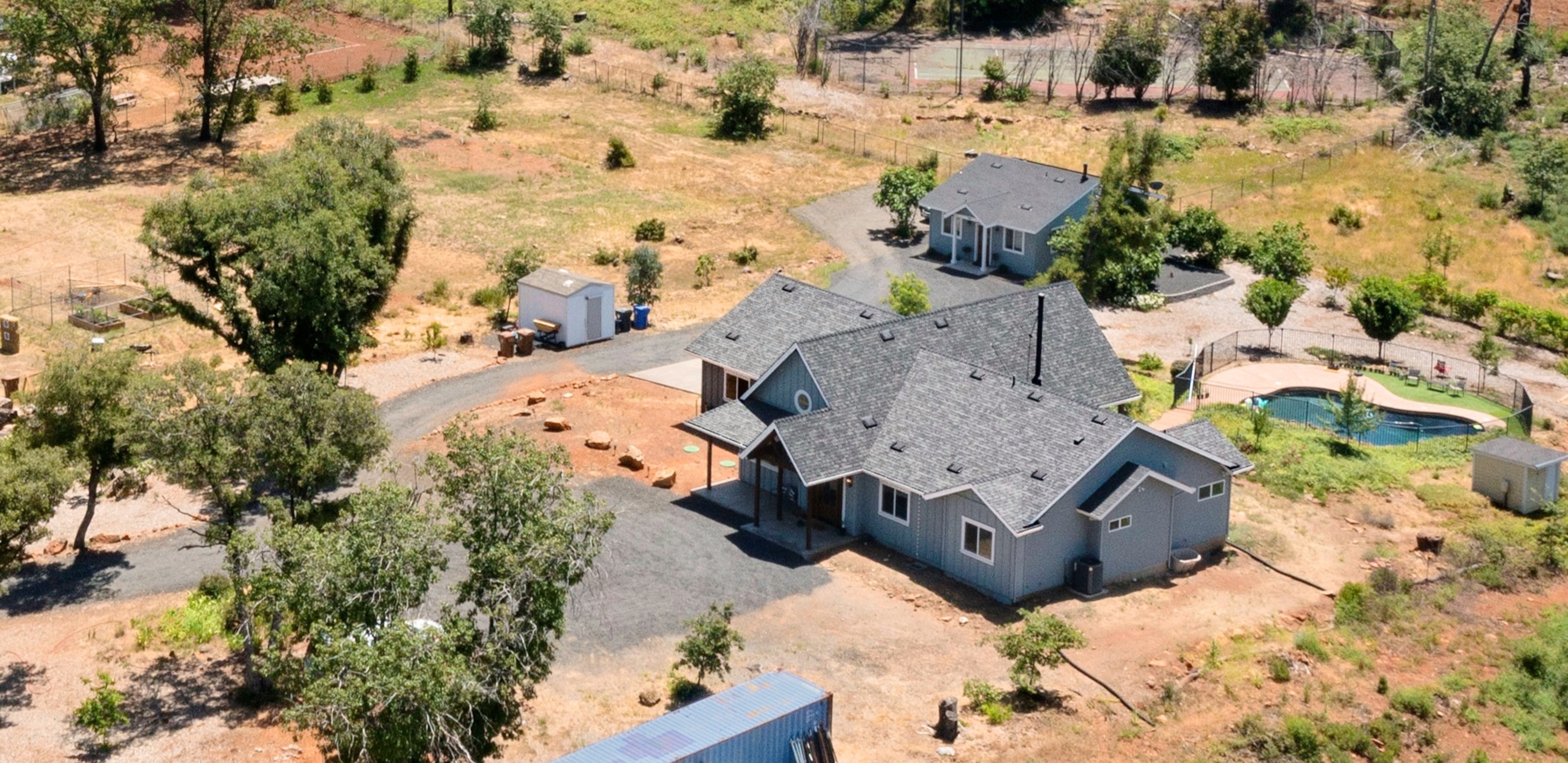
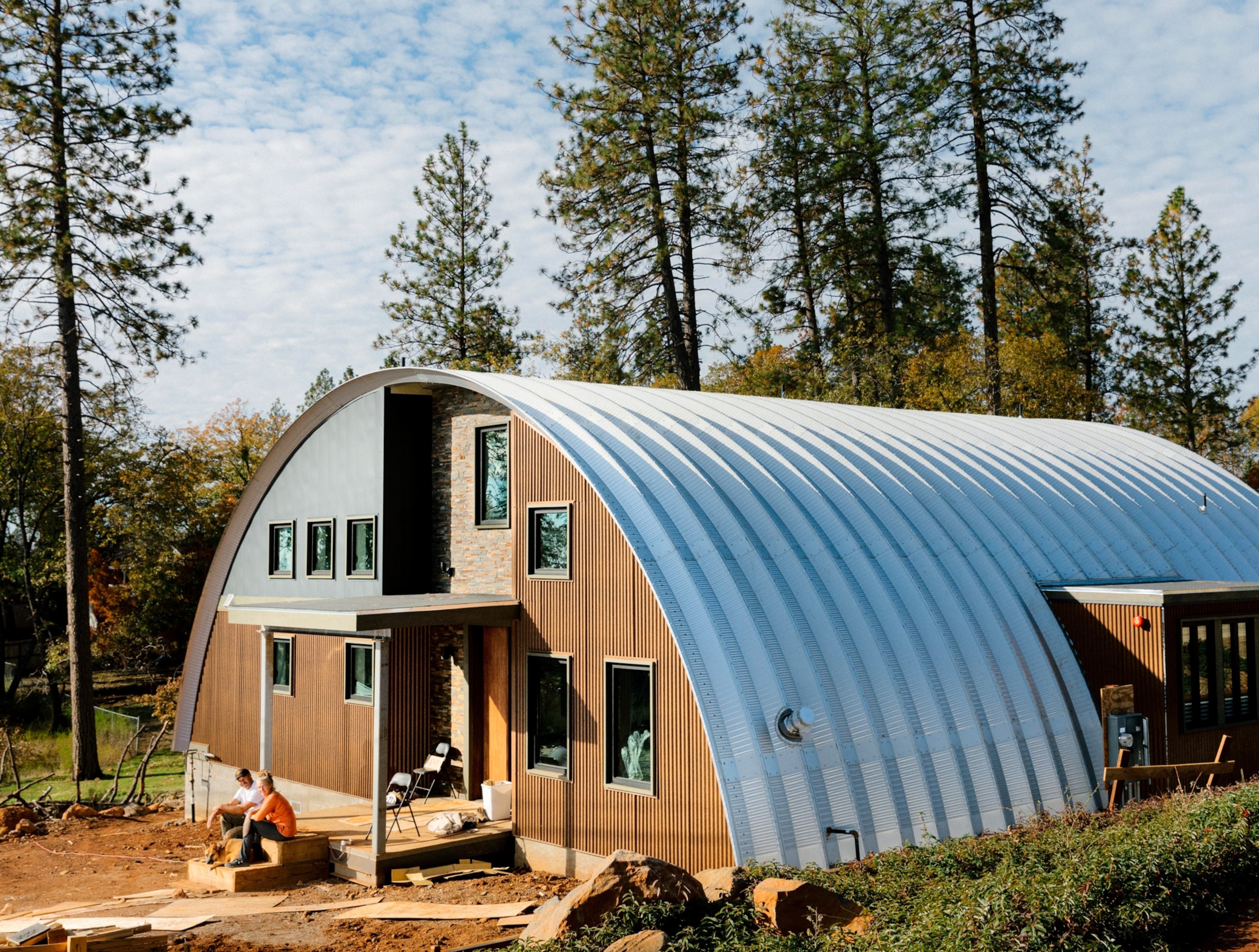
To reduce future fire risk, new homes in Paradise, California, must be surrounded by “defensible space” free of flammable vegetation and built of fire-resistant materials. Other measures, like bike and pedestrian trails, will increase the residents’ quality of life.
JASON HENRY, NEW YORK TIMES/REDUX
“We had a very large community engagement process,” Long says. “The overriding message that we heard was, ‘Please don’t redesign our town. We just want a better version of what we had before.’”
To make the town more fire resilient, the plan called for expanding the street grid to provide for better escape routes; burying electricity infrastructure that can cause wildfires; requiring fire-resistant materials in rebuilt homes; and removing dangerously flammable trees and debris from around all structures. It also envisioned an overall improvement in equity and quality of life by creating a walkable downtown, adding green space, and building a network of bike and pedestrian trails.
The plan has been only partially implemented. The town is still struggling to find funding for a new sewer system, and is back to less than half its pre-fire population, which is holding back its ambitions for the revitalized downtown. But the healing is under way: For several years it has been the fastest growing community in California. “They’re building back, and there’s a lot of community pride,” Long says.