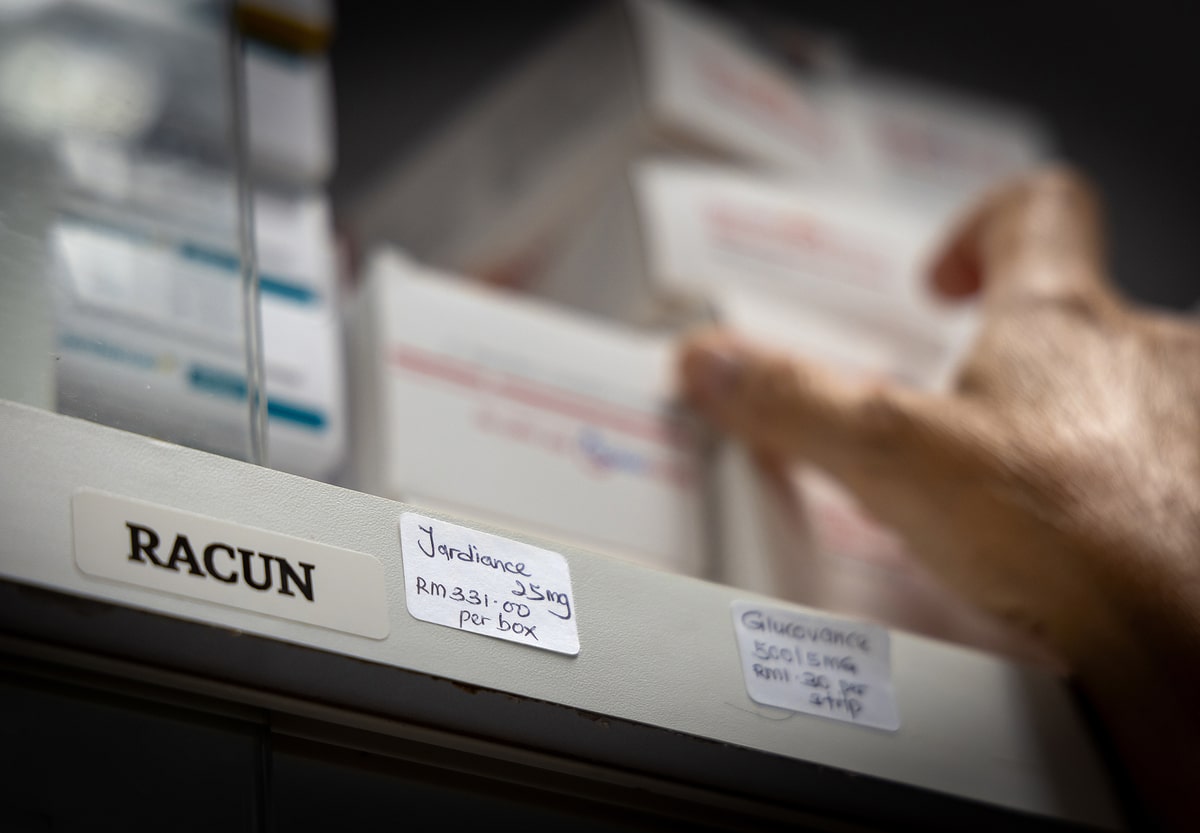
KUALA LUMPUR, Jan 6 — Multinational drug makers have refused to sell their products to medical practitioners who do not have a valid annual practising certificate (APC) for this year.
The Poisons Act 1952 imposes restrictions on who a licensed wholesaler can sell poisons to, such as a registered medical practitioner, besides allowing only registered medical practitioners, among other professionals, to sell, supply, and administer poisons other than a Group A poison.
“Patient safety is paramount to PhAMA member companies, and the pharma industry is highly regulated to ensure compliance at all levels of medicine use,” the Pharmaceutical Association of Malaysia (PhAMA), which represents 41 pharmaceutical multinational corporations (MNCs), told CodeBlue in a brief statement yesterday.
“PhAMA is awaiting action from MOH (Ministry of Health) and MMC (Malaysian Medical Council) for quick resolution of this issue to minimise disruption to medicine access for patients.”
In a statement last Saturday, the MMC announced that doctors who complied with requirements and submitted complete applications for their 2026 APC by December 31, 2025, would be permitted to practise medicine pending issuance of their certificate, amid a backlog of reportedly tens of thousands of applications.
PhAMA’s decision to abide by the law primarily affects private general practitioner (GP) clinics, since drug procurement by private hospitals and public health care facilities is typically done by pharmacists.
If GPs’ innovative drug supplies run out before they are issued their 2026 APC, this means that they will have to simply give their patients a prescription to be filled at a pharmacy, although it’s also questionable if practitioners without a valid APC can legally prescribe medicines.
Lawyer Manmohan Singh Dhillon, who specialises in medical malpractice litigation, told Free Malaysia Today that MMC had no legal authority to allow doctors to continue practising medicine without a valid APC, as the Medical Act 1971 contains no such provision. He described MMC’s decision as setting a “dangerous precedent”.
Galen Centre for Health and Social Policy chief executive Azrul Mohd Khalib similarly stressed that despite MMC’s so-called “waiver”, practising medicine and charging patient fees without a valid APC are prohibited under the Medical Act.
Malaysia is struggling with a burgeoning online trade of unregistered medicines. Then Deputy Health Minister Lukanisman Awang Sauni told the Dewan Rakyat last November about a surge in illegal medicines sold on social media and e-commerce platforms.