
If you’ve spent the past two weeks tucking into mince pies, pigs in blankets and Twiglets, you might want to look away now. A study published this week found UK adults are consuming daily the equivalent in salt of 22 bags of crisps. That’s 8.4g.
The British Heart Foundation (BHF), along with YouGov, polled over 2,000 adults and found that 56 per cent of us don’t realise how much salt we’re consuming. While only 19 per cent know that the NHS recommended daily intake of salt is no more than 6g (about a teaspoon).
“Most of the salt we eat is hidden in the food we buy, such as bread, cereals, premade sauces and ready meals, so it’s often hard to know exactly how much salt we’re consuming,” says Dell Stanford from the BHF. “This is bad news for our heart health, as eating too much salt significantly increases the risk of high blood pressure, a major cause of heart attacks, strokes and other serious diseases.”
Helen Bond, a dietician, agrees: “The government’s latest National Diet and Nutrition Survey found we’re eating around 40 per cent more salt than recommended. The problem is most of us simply don’t know how much salt is in our diet. And too much is one of the main drivers of high blood pressure, which is a key risk factor for heart disease.”
Bond says much of our salt intake comes from processed food — the kind we don’t cook ourselves, such as bread, ready-made soups, dips, spreads and ready meals.
• The 10 ways to lead a healthier, longer life
“Junk food often comes with a lot of salt, which is why this week the government’s ban on junk food advertising comes into force,” she says. “But it’s not just the obvious, junky contenders like takeaways and crisps that we need to worry about. Seemingly healthy foods like smoked salmon and baked beans can also contain a fair amount of salt. Just because something doesn’t taste salty doesn’t mean it’s low in salt, so it’s important to check food labels and look for a green traffic light.”
Along with calorie content, the traffic light labelling system tells us whether a food is high (red), medium (amber) or low (green) in things such as fat, saturated fat, sugar and salt. When it comes to salt, green indicates a food contains less than 0.3g per 100g, amber contains between 0.3g and 1.5g, while a red traffic light means it contains more than 1.5g of salt per 100g.
As well as looking for green labels, Bond recommends going for the reduced salt options where possible, especially when it comes to tinned food such as baked beans, and soy sauce. “Cook from scratch whenever you can so you know exactly what’s going into your food, and use herbs, spices, garlic and chilli to flavour it, which means you’ll be less likely to want to add salt.
• Read more expert advice on healthy living, fitness and wellbeing
“Remember that even the fancy or more expensive types of salt, such as Himalayan sea salt or Cornish sea salt, are still salt and will still put your blood pressure up.”
Lastly, Bond says, when it comes to reducing your salt intake, it’s just as important to think about what you are consuming as it is to think about what you’re not: “The potassium found in fruits and vegetables help balance out the salt in our diet, so ensure you’re tucking into plenty.”
With that in mind, here’s how much salt is in your favourite foods…
Soups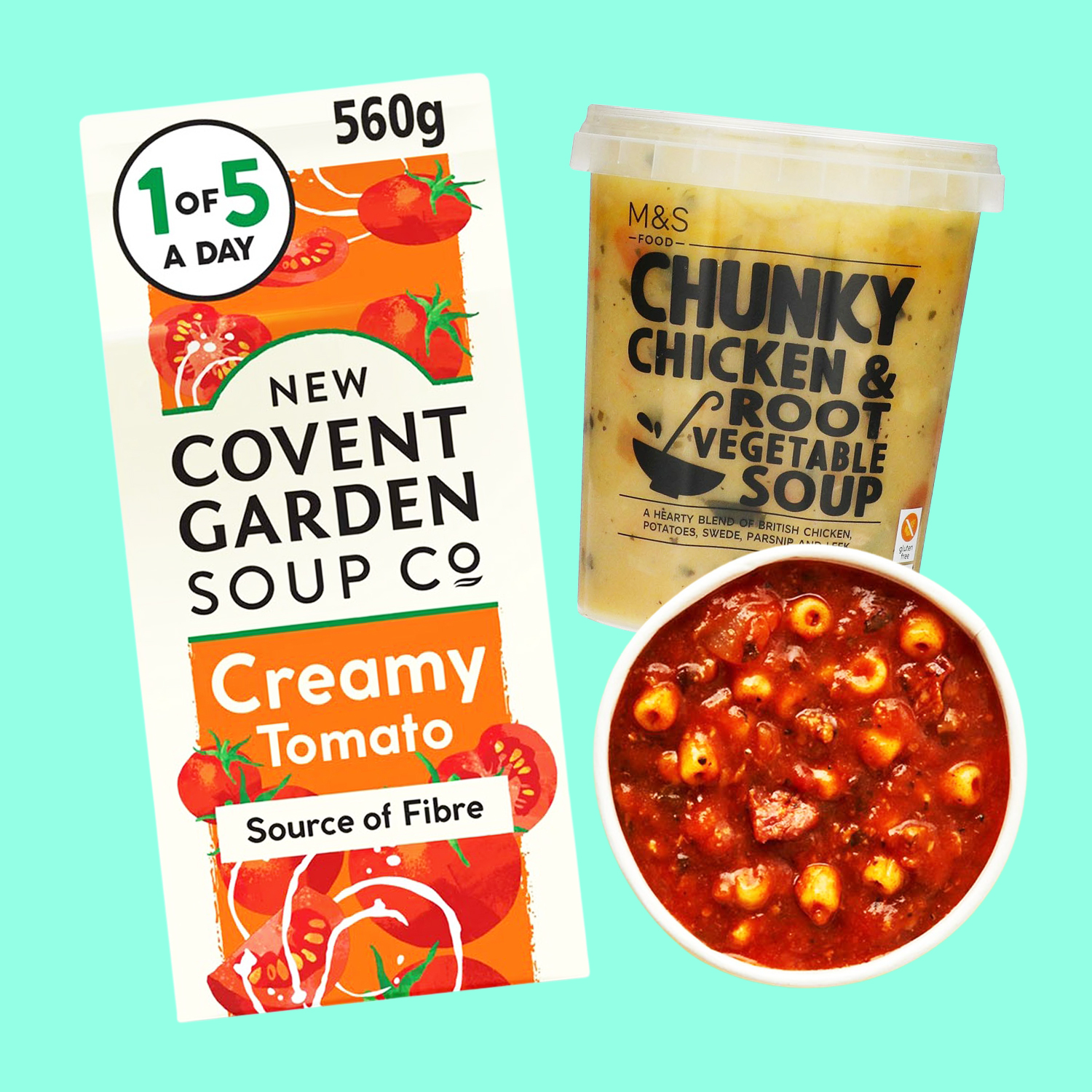
Bond says homemade soups are a great way to get more vegetables into your diet, but if you’re buying them ready-made, keep an eye on the salt content and don’t add more salt to them after heating.
• M&S chunky chicken & root vegetable soup — 0.68g per 100g (half a tub provides 2.4g salt)
• New Covent Garden Soup Co creamy tomato soup — 0.43g per 100g (half a pack contains 1.2g salt)
• Pret’s lasagne soup — 0.67g per 100g (one serving pot contains 2.43g salt)
Tinned beans 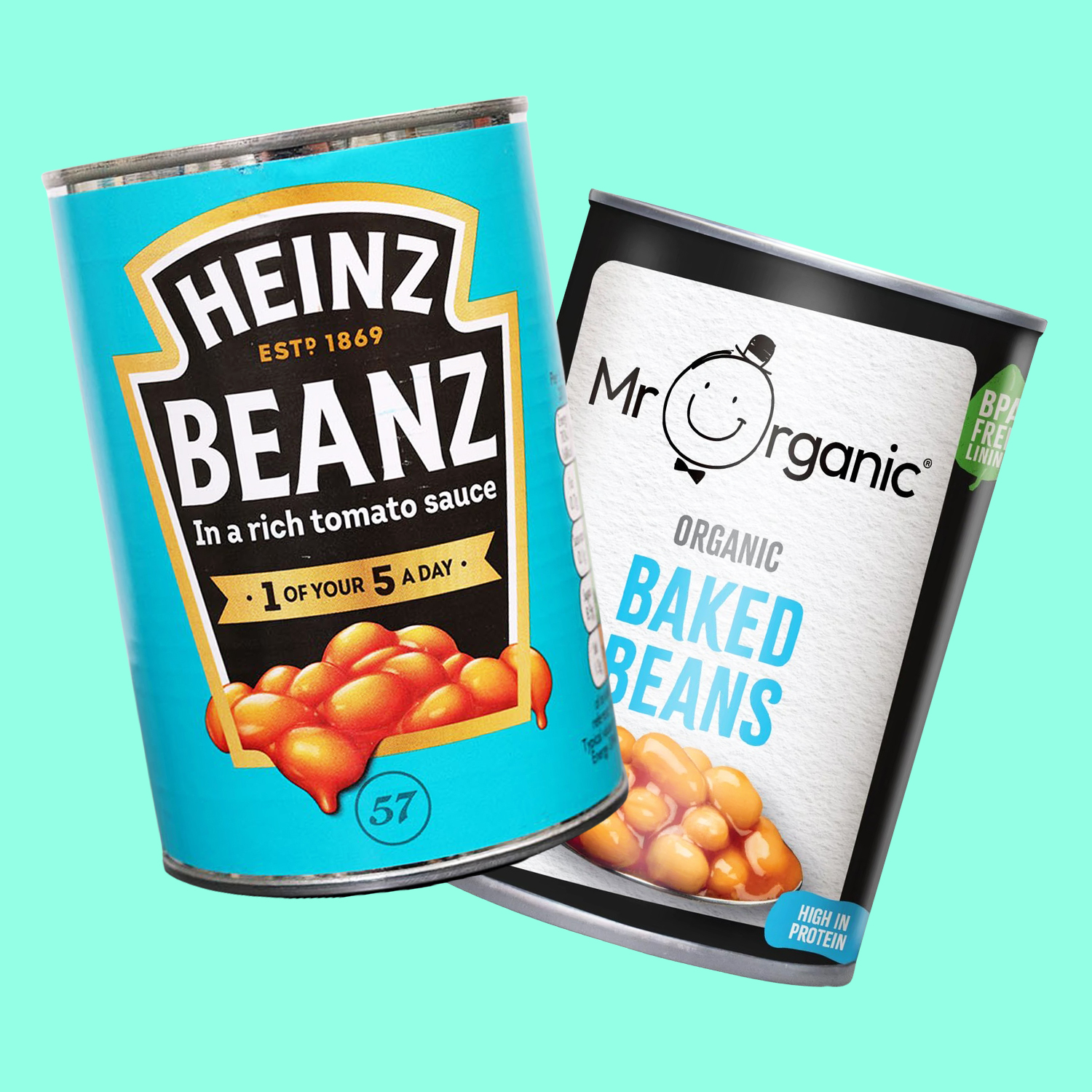
These are generally healthy, Bond says, but always go for the low salt option.
• Heinz baked beans — 0.6g per 100g (1.3g salt per ½ can)
• Mr Organic baked beans — 0.76g per 100g (1.5g per ½ can)
Bread 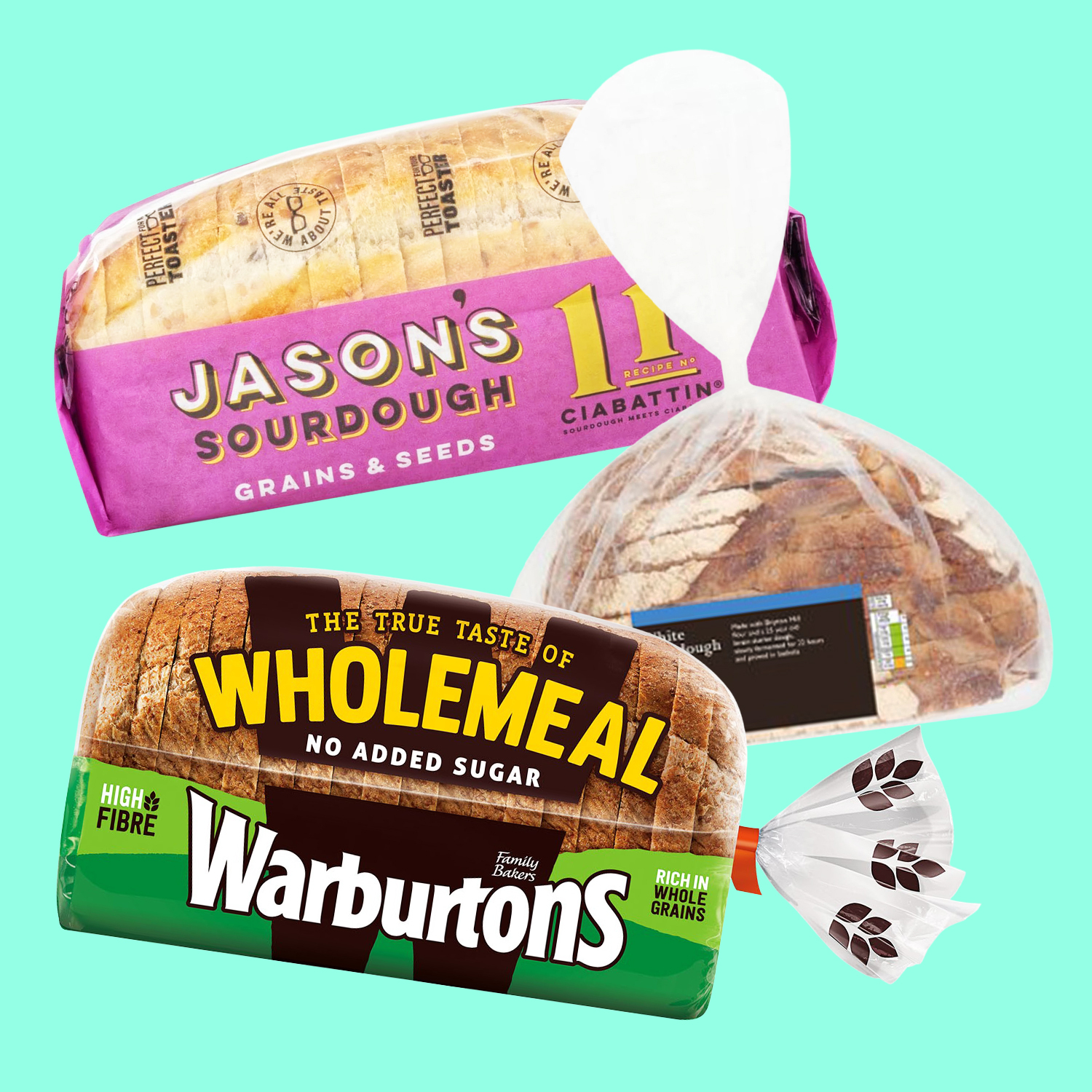
A 2023 study from Action on Salt found that three out of four loaves of supermarket sliced bread contained as much salt in one slice as a bag of ready salted crisps. “Bread is fine, but it can quickly contribute to your daily salt intake,” Bond says.
• Jason’s Grains & Seeds Ciabattin Sourdough — 0.84g per 100g (0.45g per slice)
• Waitrose No 1 White Sourdough Bread — 0.95g per 100g (0.59g salt per slice)
• Warburtons wholemeal sliced bread — 0.95g per 100g (0.43g salt per slice)
Dips 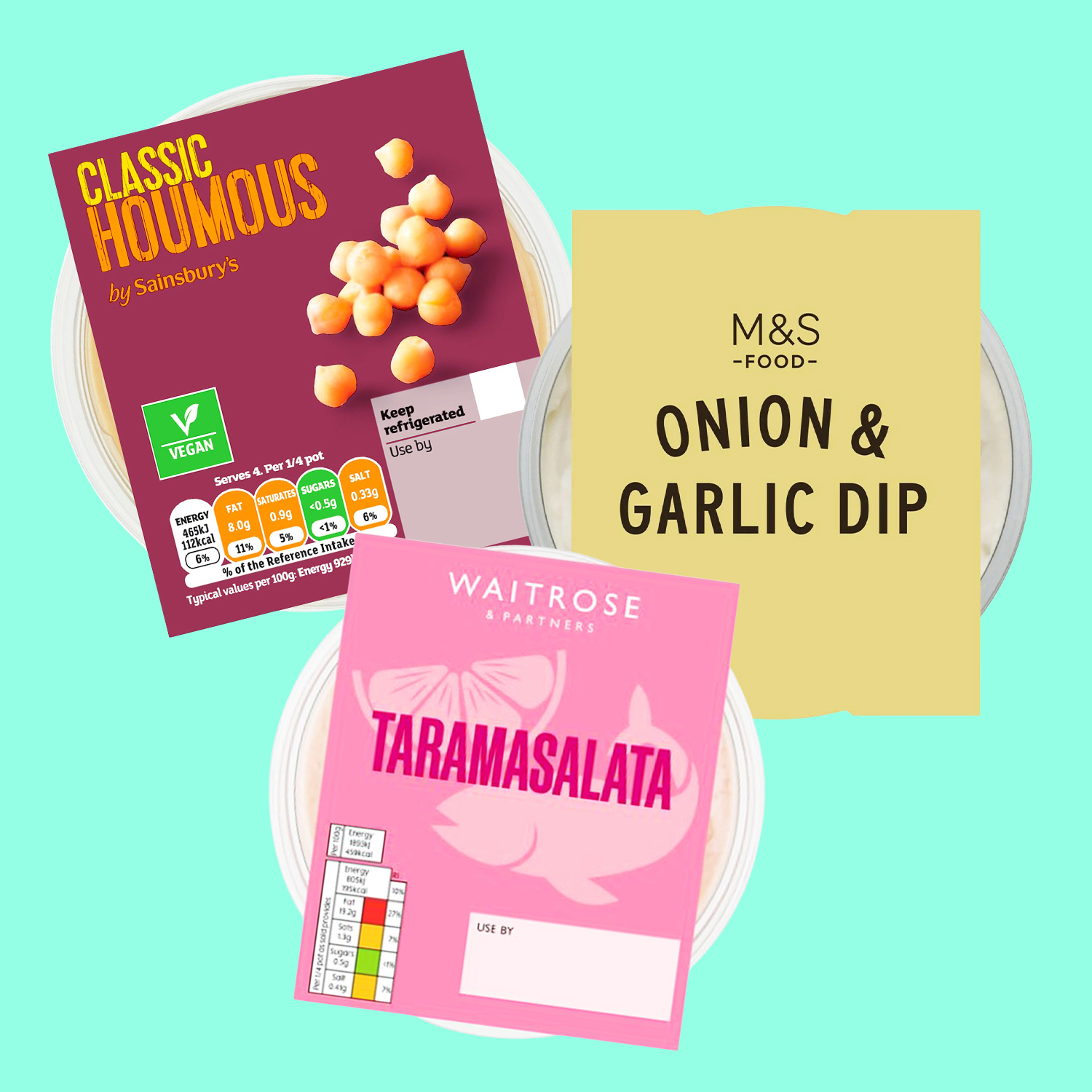
These can be incredibly moreish, Bond says, and can quickly increase your salt intake if you’re dunking salty crackers or crisps into them.
• Sainsbury’s Classic Houmous — 0.7g per 100g (¼ pot contains 0.5g salt)
• Waitrose Taramasalata Dip — 0.98g per 100g (¼ pot contains 0.41g salt)
• M&S Onion & Garlic Dip — 0.83g per 100g
How much salt is in?
• Smoked back bacon — 2.08g per 2 rashers
• Parmesan — 0.8g per 50g serving
• Marmite — 10.8g per 100g (0.86g per serving)
• Mature cheddar cheese — 0.8g per 50g serving
• Feta — 1.1g per 50g serving
• Cured oak smoked salmon — 1.5g per 3 slices
• Halloumi — 1.3g per 50g serving