Louis Garella’s portfolio is a reminder that whilst many works in graphic design are destined to be flat or experienced on screens, the interactions we have with colour, form, type and composition don’t have to be so immaterial. What defines the designers work is his “hybrid practice”, one that sits at the intersection of visual arts, graphic design, and – importantly – spatial design. In order to achieve work that is both expressive, tactile and captivating, Louis is committed to exploring new visual avenues with each project – a more fluid, multimedia approach to design that he first started to develop at National Superior Diploma of Plastic Expression, an art and design school in Saint-Étienne.
Originally from Aix-en-Provence and now based in Paris, Louis has established an independent studio for design and art direction fittingly named Studio Garella. His expertise spans the creation of sensitive visual identities and logos for brands, detailed editorial design, and beautiful photography, film and motion work, with a bit of 3D add to the mix for good luck. With all of his creative work, Louis’ aim is to develop visual languages that feel “closely connected to the subject matter they address”. Outside of this dedication to things being rooted in research, Louis’ criteria for making is quite flexible – his creative process is a “constant back-and-forth between digital and print”, he tells us.
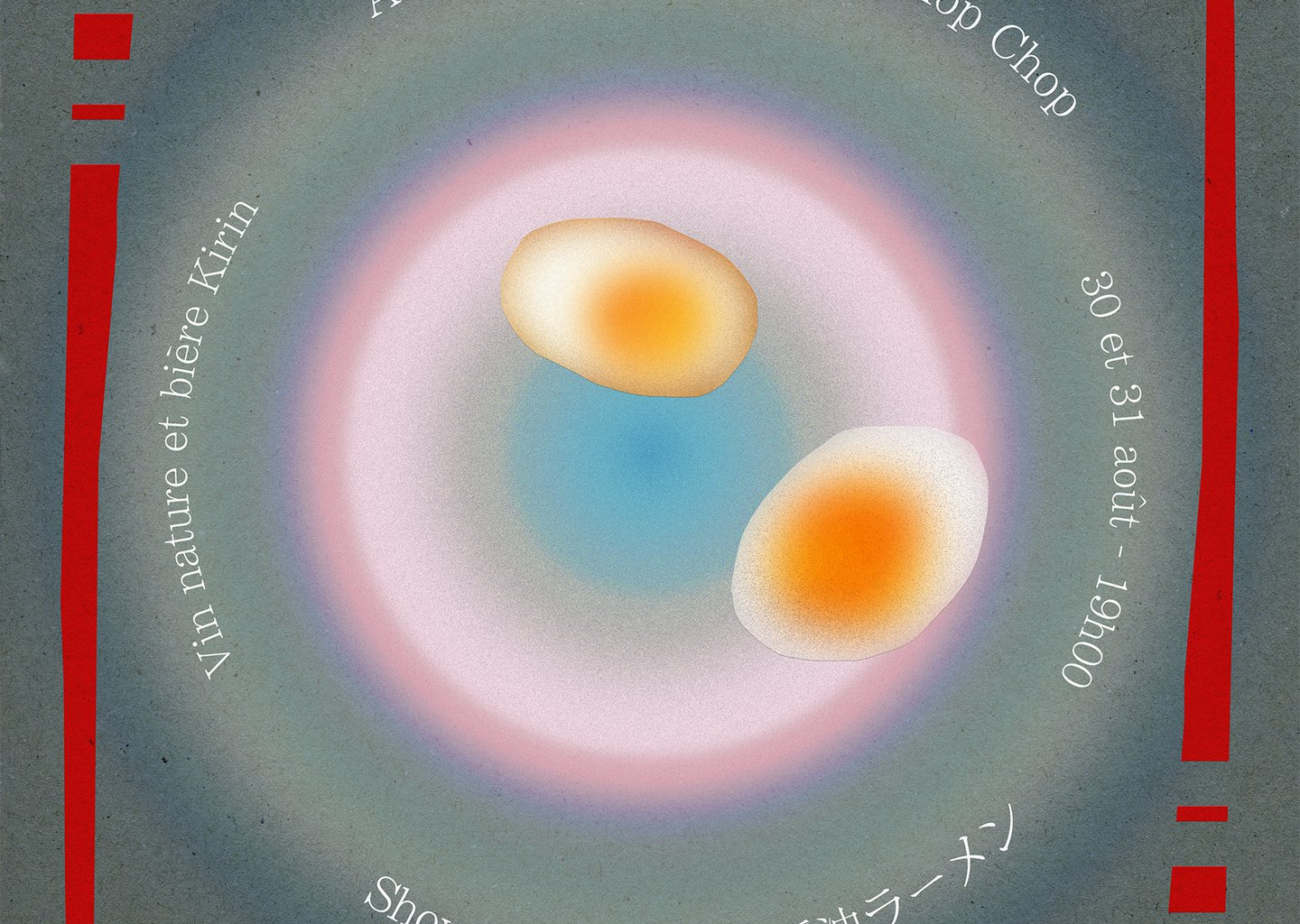
The designer alternates between the act of collecting and scanning graphic elements; like in his identity for Sonata Electronica where xerox ink running low creates a feeling that the logo scans are shapeshifting or dancing. Or, he opts for using more hands on collage, digital manipulation and printmaking on various surfaces and textiles to add imperfections that make designs feel ephemeral when digitised, like the hazy smudges of the designers identity for Hermès’ une nuit d’été. Through these layers of impressions and interferences, Louis interrupts an images cycle “when things reach the desired balance”, he says. Louis knows a composition is complete is when all its flavours come together in perfect unison: what he likes to call “a creative ratatouille”.