It will now take about 1,500 truckloads of rocky material and topsoil to complete the final step of a yearslong process to remediate the Callahan Mine in Brooksville, a Superfund site.
Work was most recently expected to wrap up there in 2026, but it may now stretch into 2027, according to state project manager Iver McLeod.
The last step, capping waste rocks from metal mining that took place in the 1960s and ‘70s, will bring to a close 15 years of active, multimillion-dollar projects to clean up serious environmental contamination. Most of that funding comes from the federal government.
“It’s a huge, huge project,” McLeod said.
The site had been mined since at least the 1880s and scaled up as the Callahan Mine, an short-lived open-pit operation extracting mostly copper and zinc.
Contamination in the area was later traced back to the mine, which the Environmental Protection Agency designated a Superfund site in 2002.
Waste rock containing high levels of arsenic and lead was found on neighboring residential properties, groundwater was contaminated with heavy metals and the mine site had levels of polychlorinated biphenyl, or PCBs, which are toxins that can cause cancer, among other environmental issues.
After years of studies, work started on the ground in 2010. This fall, in the second-to-last phase, thousands of cubic yards of contaminated sediment were dredged from Goose Cove and piped into a former mine pit for containment. Goose Pond drains into Goose Cove, which is directly connected to Penobscot Bay. The mine was reportedly the only intertidal heavy metal mine in the world at the time.
The last active step in the project is capping a large pile of waste rock left over from mining operations, which was condensed into one pile from several over the last three years. That will prevent rainfall from draining through the rocks and causing metals to leach into the nearby estuary.
There was not enough clean material onsite to use for the cap, and the EPA has estimated that it could take about 1,500 truckloads of clean material — both rocky material and topsoil — to make up the difference. It’s currently aiming to limit trips to five or six per day, according to McLeod.
That could be completed in one working season, which runs roughly from April to November, but may stretch into 2027. He’s confident the work will be completed next year at the latest.
The design of the cover itself was just completed by the U.S. Army Corps of Engineers and will likely go out to bid this week, according to McLeod.
Environmental Protection Agency representatives plan to schedule a public meeting in the spring to discuss plans with the community, according to select board meeting minutes from the town of Brooksville.
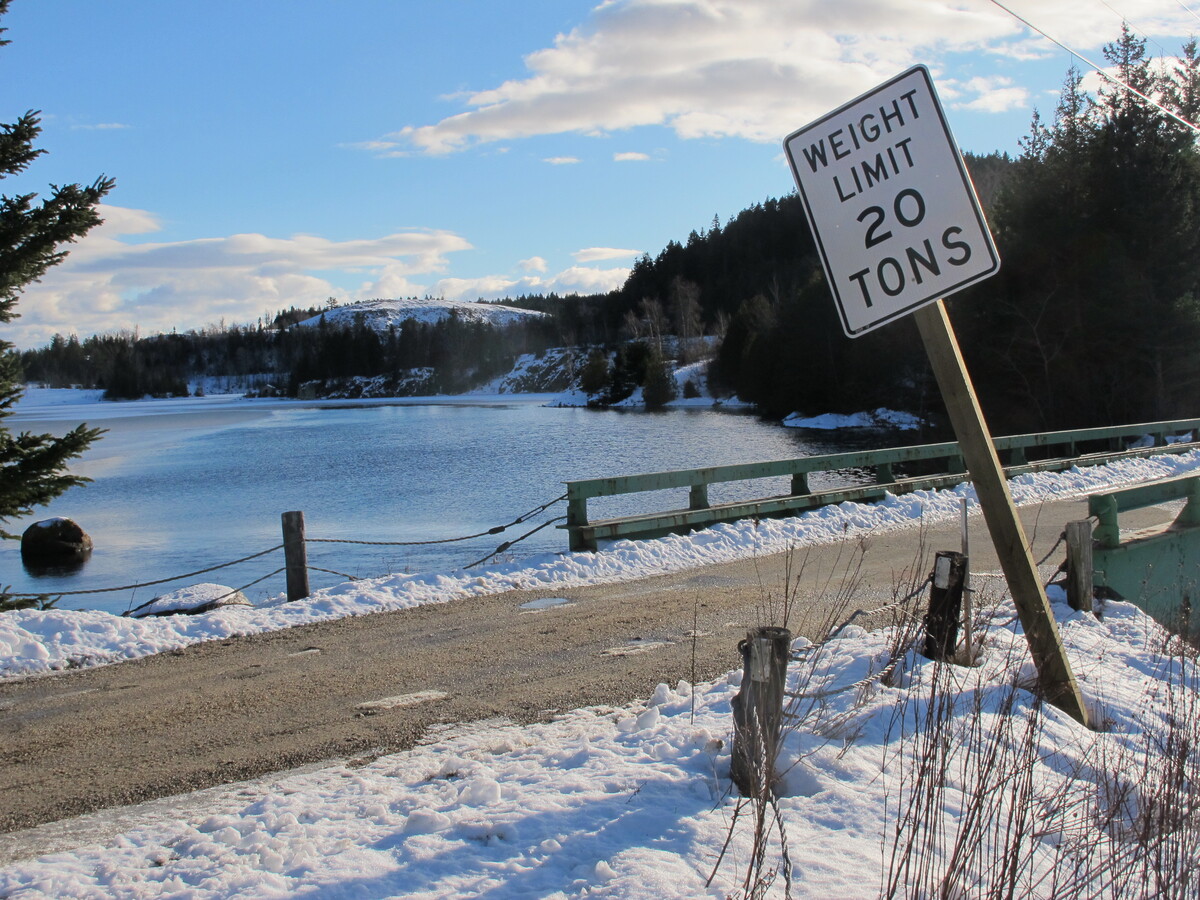
McLeod said the truck traffic is unfortunate for the small, quiet town, and he expects the loads will take a toll on its roads. But trucks appear to be the only option, and road issues will be repaired by the Maine Department of Transportation, he said.
Even after the active remediation wraps up, “It’s going to require an eternity of long-term monitoring” by the department, McLeod said.
It’s not clear yet what the private owner of the site, Ohio-based Smith Cove Preservation Trust, plans to do with the property once work is complete or whether it could become accessible to the public. A representative told the Weekly Packet newspaper in 2024 that he’d like to see it reforested.