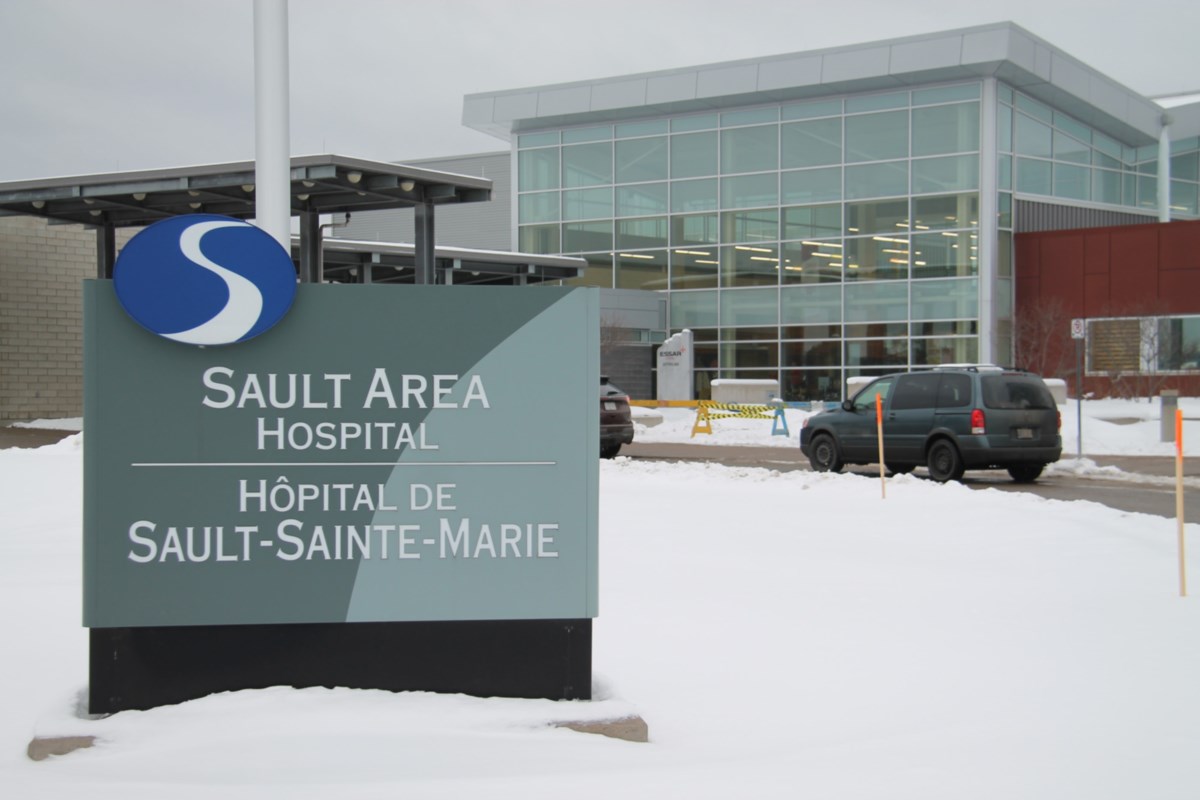
Some patients are being cared for in unconventional spaces as occupancy hits 352 inpatients at Sault Area Hospital
Just a week into the new year, Sault Area Hospital is as busy as ever.
This morning the hospital had a total of 352 inpatients admitted – operating at 121-per-cent capacity as dozens more than its planned 291 inpatient occupancy filled hospital beds.
As a result, patients have spilled into unusual spaces to receive the care they need, as the hospital implemented its surge and capacity plan to handle the staggering influx of patients.
“Due to current occupancy levels, approximately 20 patients are being cared for in unconventional spaces, including alcoves, dining rooms, and hallways,” said Brandy Sharp Young, director of corporate affairs and patient engagement.
“These measures are used only when necessary to ensure patients continue to receive safe and appropriate care during periods of significant overcapacity.”
In addition to those numbers, 14 patients were admitted to the emergency department as of this morning to await an inpatient bed.
It’s a problem with no clear culprit, Sharp Young said, as the hospital navigates numerous pressures impacting its occupancy levels.
“Sault Area Hospital is experiencing overcapacity due to a combination of factors rather than a single cause,” she said.
“While increased pressure during peak respiratory illness season was anticipated, the current situation reflects broader, compounding system-wide challenges.”
Among those challenges are the more than 70 patients awaiting placement in alternate level of care settings – putting pressure on bed availability.
There’s also the seasonal influx of patients with respiratory illnesses, and the city’s aging population presenting with increasingly complex health-care needs.
Limited access to primary care in the community has contributed to “avoidable” hospital stays, as well, among other pressures the hospital faces, Sharp Young said.
“Sault Area Hospital continues to work closely with health system partners, including long-term care providers, Ontario At Home, and Ontario Health, to manage patient flow and support timely transitions of care,” she said.
“These partnerships are critical to ensuring patients receive care in the most appropriate setting.”
In a post on social media, the hospital said the public should expect longer wait times in the emergency department, suggesting that patients with non-urgent needs seek care through their family doctors, nurse practitioners, or walk-in clinics.
Limiting visitors to those essential to help patients can also help reduce congestion in the hospital, the post said.
However, patients with emergencies are still encouraged to attend the emergency department or call 9-1-1.
“Do not delay care. If you are unsure whether your symptoms are an emergency, you can speak with a registered nurse for health-related advice 24/7 by calling Health811,” the post said.