
Listen to this article
Estimated 4 minutes
The audio version of this article is generated by AI-based technology. Mispronunciations can occur. We are working with our partners to continually review and improve the results.
The Vancouver Symphony Orchestra (VSO) says it will mostly end the use of non-disclosure agreements (NDAs) in cases involving sexual misconduct, following backlash after a musician went public with sexual assault allegations.
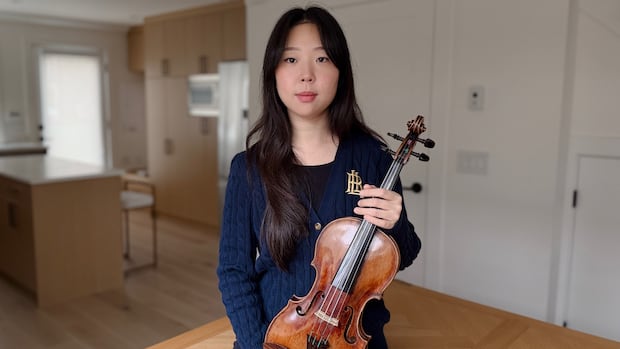
In a Dec. 17, 2025, article from The Globe and Mail, violinist Esther Hwang had alleged sexual assault by a senior member of the orchestra in 2017.
In the article, Hwang said she signed an NDA in 2019, as part of a settlement reached in the case, and that she felt silenced by it years later and had suffered career consequences as a result.
A day after that article, the VSO confirmed it sent Hwang a cease-and-desist letter due to the NDA, which it said was legally binding.
 The VSO confirmed it sent a cease-and-desist letter to Hwang following the initial allegations on Dec. 17. (Ben Nelms/CBC)
The move to issue a cease-and-desist letter prompted backlash against the organization, including from the union that represents VSO’s musicians.
The VSO initially told CBC News in a statement that it believed it had “acted both fairly and appropriately since being made aware of the initial incident,” which was investigated by a third-party organization.
On Tuesday, however, the VSO issued an open letter saying it would be ending the use of confidentiality agreements in cases of sexual misconduct, unless it is specifically requested by the complainant.
“The VSO also has not taken, and does not intend to take, any steps to bring a claim against Ms. Hwang for the breaches of the confidentiality agreement,” the open letter reads.
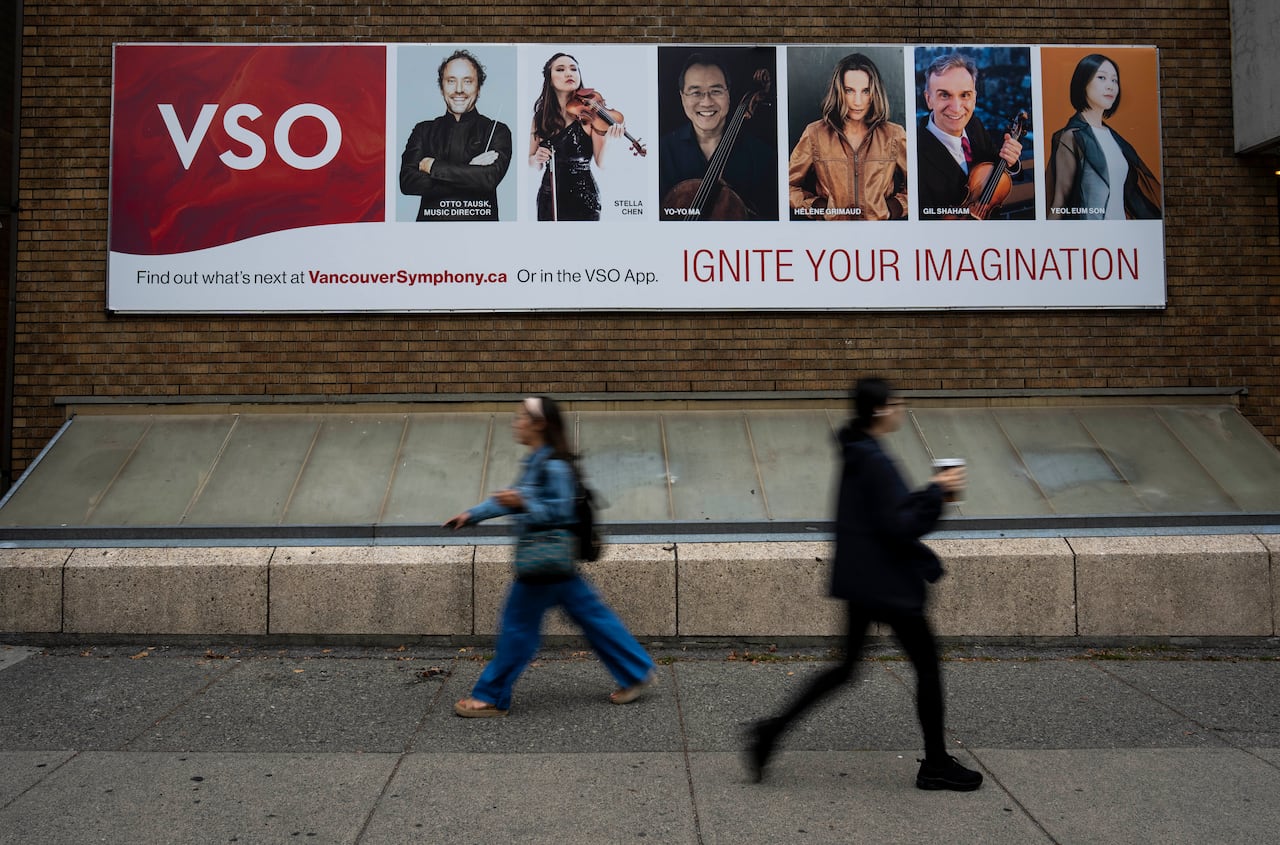 The VSO says it would be reaching out to the broader community following the backlash. (Ben Nelms/CBC)
Hwang said that the VSO had “mishandled everything” in her case, and had victim-shamed her when she brought the complaint forward.
“They traumatized me through the process. They silenced me, then they retaliated against me,” the violinist told CBC News.
“Then when I spoke up, they threatened to sue me for speaking out.”
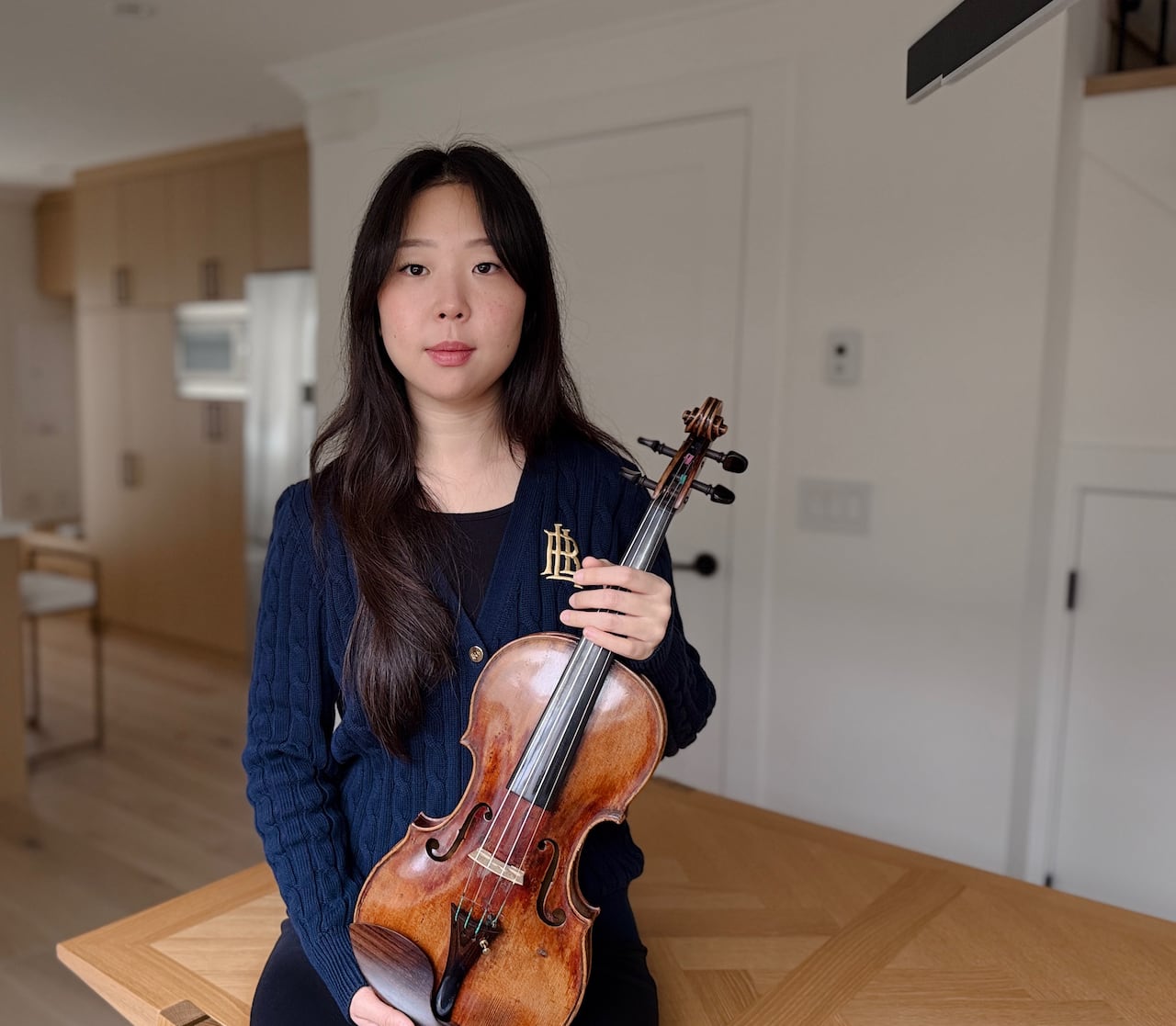 Violinist Esther Hwang, who feels the VSO ‘mishandled everything,’ says the organization used the cease-and-desist letter as an intimidation tool. (Submitted by Esther Hwang)
Hwang said that her initial reaction to the open letter was disappointment in the VSO, but she was grateful to the public for speaking up.
“We shouldn’t have to rely on institutions to do the right thing because of public pressure, and that’s why it’s so important that the legislation is passed to ban this type of NDA,” Hwang said.
“I have yet to hear an apology from the VSO and for them to take real accountability.”
Calls to crack down on NDAs
The open letter states that the VSO will be reaching out to several experts and the broader community after the backlash, including groups like Can’t Buy My Silence that have advocated for the end of NDAs in cases of harassment.
Julie Macfarlane, one of the cofounders of the Can’t Buy My Silence campaign, said the VSO’s public pledge from this week, to do away with NDAs, demonstrated a willingness to change.
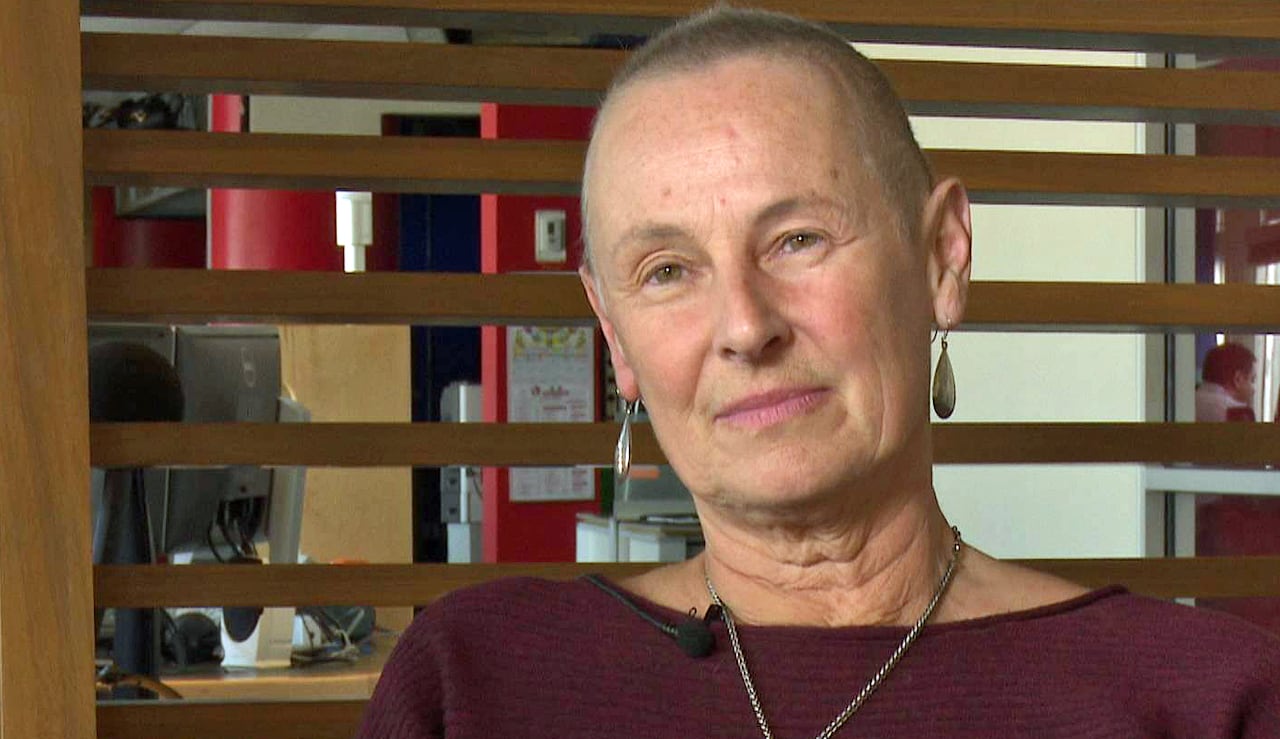 Julie Macfarlane, one of the cofounders of the Can’t Buy My Silence campaign, said the VSO’s commitment is an important public pledge. (CBC)
“I think that that is the message that I would like this to send to every other, kind of, organization and workplace in Canada — this is something that we now know is not a good idea. We need to stop doing it,” she said.
Macfarlane said that a vast majority of Canadian organizations and institutions are continuing to use NDAs whenever there’s a settlement related to sexual misconduct or discrimination — and that the federal government should support a Senate bill that cracks down on them.
2019 settlement
In its open letter, the VSO said the initial assault allegations in 2017 happened outside the workplace and were investigated by a third-party organization.
That investigation resulted in a four-way settlement agreement between the VSO, Hwang, the musicians’ union and the alleged sexual assault perpetrator.
The VSO said it took action with a cease-and-desist letter after Hwang went public with the allegations to protect current VSO employees who “have been publicly identified with unproven allegations, including those that have been found to be unsubstantiated by independent investigation.”
Hwang, however, said that she believed the use of NDAs in cases like hers wasn’t ethical.
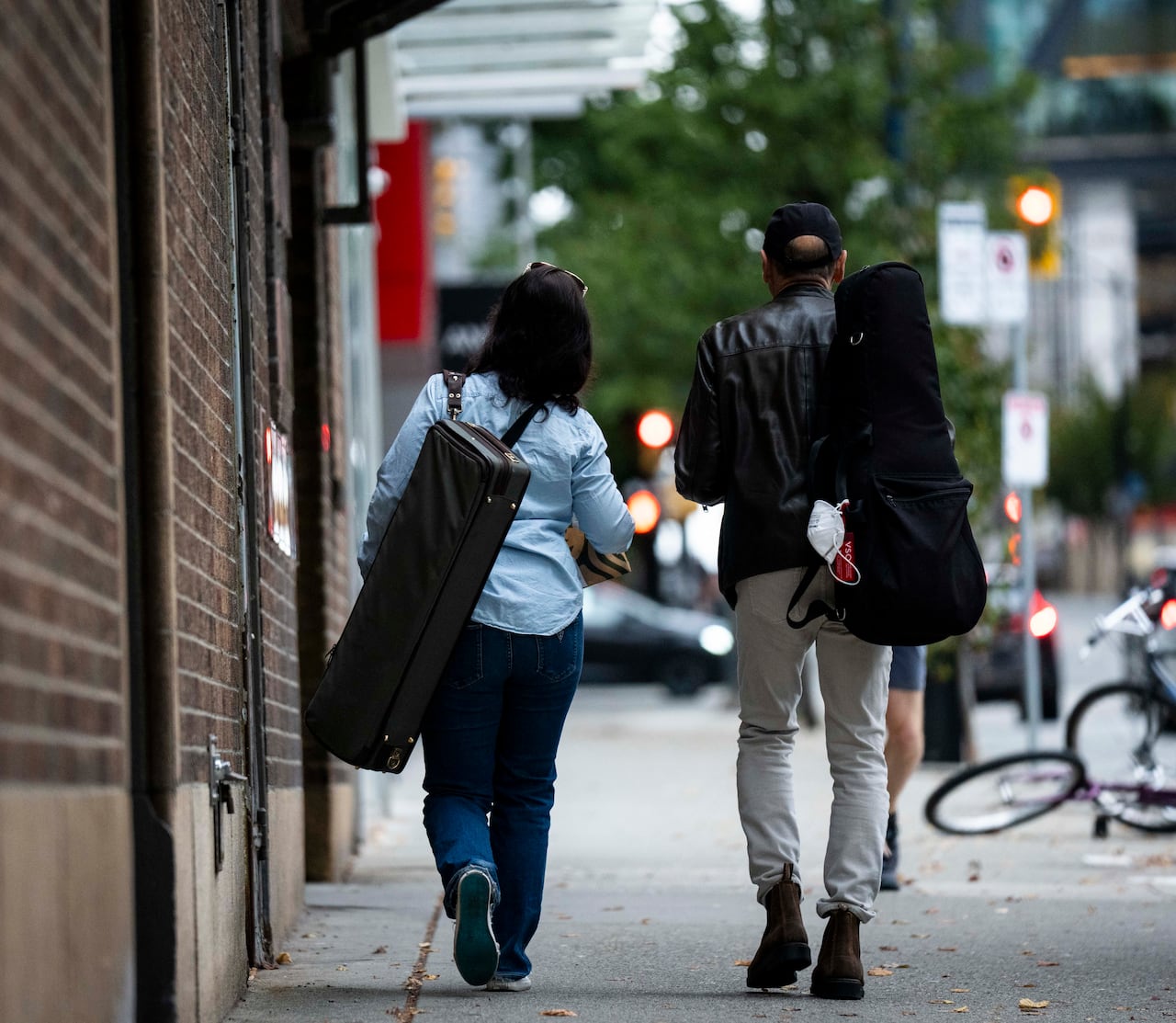 The president of the VSO musicians’ union said the open letter showed steps in the right direction. (Ben Nelms/CBC)
The interim secretary and past president of the Vancouver Musicians’ Association — the union which represents VSO musicians — said in a statement that the open letter showed steps in the right direction for the VSO.
“In terms of what more needs to be done, there is plenty,” Audrey Patterson said in a text message.
“It is not solely orchestras that have a history of ignoring, avoiding, or hiding complaints of harassment, abuse, discrimination, or assault.”