
Listen to this article
Estimated 5 minutes
The audio version of this article is generated by AI-based technology. Mispronunciations can occur. We are working with our partners to continually review and improve the results.
Frustrations are mounting in a remote First Nation as plans are underway to evacuate residents from the remote fly-in community in northern Ontario due to a lack of clean water.
On Sunday, Kashechewan First Nation Chief Hosea Wesley declared a state of local emergency because the community’s water treatment plant was in disrepair.
Now, the Cree community of around 2,300 people, located along northern Ontario’s James Bay Coast, says it can’t secure enough bottled water for residents.
In early December, pumps at the water treatment plant failed, which meant chemicals could not be mixed in to treat drinking water, he said.
Later that month, the wastewater treatment plant’s raw sewage intake started failing as well.
During a call with Indigenous Services Canada on Tuesday, leaders in the community called for military intervention to assist with a full-scale evacuation to northeastern Ontario cities such as Timmins and Kapuskasing.
Tyson Wesley, Kashechewan First Nation’s executive director, told CBC News that by Thursday morning one flight to Timmins and five flights to Kapuskasing had been chartered.
In an email to CBC News Eric Head, a spokesperson for Indigenous Services Canada, said the Loomex Group, a provincial vendor, was enlisted to manage the evacuation of 500 vulnerable people from the community to Timmins and Kapuskasing.
But the community wants to evacuate all 2,300 residents.
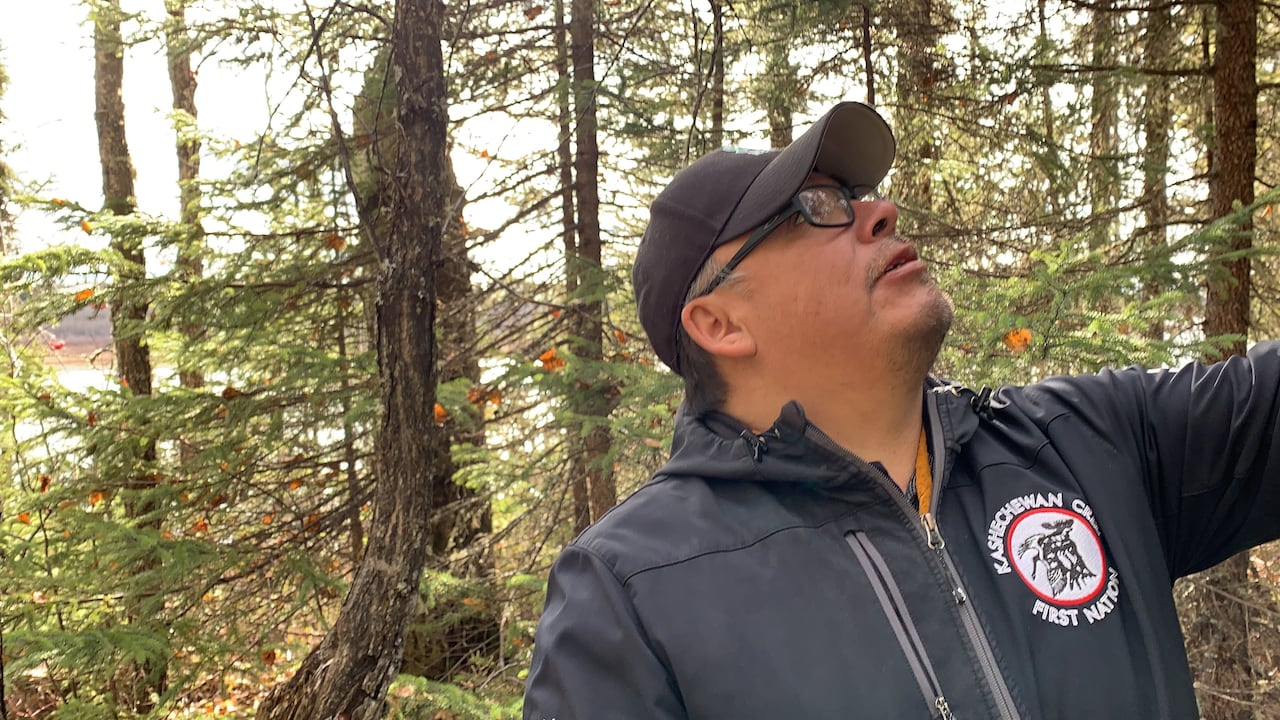 Hosea Wesley, the chief of Kashechewan, is asking for help from the military as the community prepares to evacuate. (Erik White/CBC)
Tyson Wesley, Kashechewan First Nation’s executive director, told CBC News that by Tuesday afternoon, ISC had chartered one commercial flight — using a small aircraft — to evacuate the community’s most vulnerable residents.
Officials in Kashechewan managed to charter an additional two flights.
‘We are in a dire situation’
“We are in a dire situation and the response that we’re getting is not good enough,” Wesley said.
“And I don’t think they’re understanding that these are children, these are people. I think one of the comments that I’ve been hearing from our community members is, ‘We are people. We are human beings and we deserve clean water.’”
Timmins Mayor Michelle Boileau confirmed that Timmins would accept around 35 evacuees from Kashechewan on Wednesday.
Boileau said the city would be operating at a “minimum capacity” to accommodate evacuees who have medical needs due to the presence of the Timmins and District Hospital in the community.
“We expect some more, but the majority will be going to other communities,” she said.
WATCH | Sewage backup at Kashechewan’s only clinic: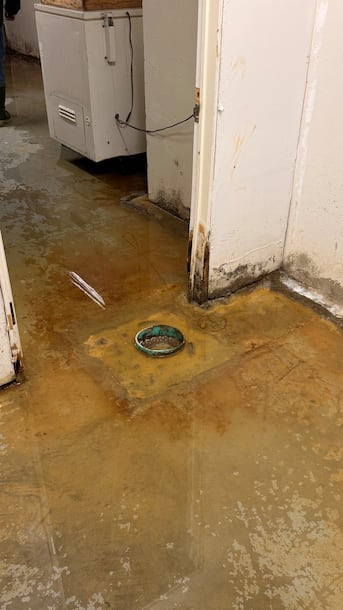
Water plant failure in remote northern Ontario First Nation causes sewage backup
Officials in Kashechewan First Nation, a fly-in community along the James Bay coast, are forced to move equipment and medication from the local clinic to the community’s elementary school due to a sewage backup. Kashechewan executive director Tyson Wesley captured this footage of the raw sewage backup, which was caused by a failure at the water treatment plant. The community is currently asking for assistance from the military for a full-scale evacuation.
By Wednesday, crews were evacuating the community’s small clinic due to a sewage backup in the building, which happened as a result of issues with the water treatment plant.
Wesley said patients, equipment and medication would need to be moved to an elementary school nearby.
“We are also in an influenza outbreak in the community,” he said. “So there’s a whole list of issues that are happening all at the same time.”
Repairs at the water treatment plant
Indigenous Services Canada said workers with Northern Waterworks were deployed to Kashechewan immediately to start repairs on the water treatment plant.
“The company was able to get the replacement pump installed in the lift station, and is bringing in additional equipment to the community to continue their work to resolve the situation,” said the spokesperson.
Yearly evacuations
Mass evacuations in the spring are nearly a yearly occurrence at Kashechewan First Nation.
The community was built on a flood plain, along the Albany River, and is at flooding risk during the spring thaw.
Tyson Wesley said the community has been in talks with the federal government for years — dating back to Liberal Prime Minister Paul Martin — about moving the First Nation to a site 30 kilometres to the north in an area less prone to flooding.
Under Justin Trudeau as prime minister, the goal was to complete that move by 2029. But with anew Liberal government under Prime Minister Mark Carney, those plans are unclear.
“We’ve been kind of left aside and forgotten, and our issues have kind of grown over the years,” Wesley said.
“Today we’re seeing that impact happening now and it’s our people that are the ones that pay the price of our governments inaction.”
Indigenous Services Canada spokesperson Eric Head said that on Dec. 4, 2025, the department approved around $8.4 million to undertake detailed planning studies for the relocation of the community.
“Indigenous Services Canada will continue to support Kashechewan First Nation in meeting the long-term needs of the community,” Head said.
Wesley said it wouldn’t make sense for the community to invest in a new water treatment plant until the move to a new site is complete.