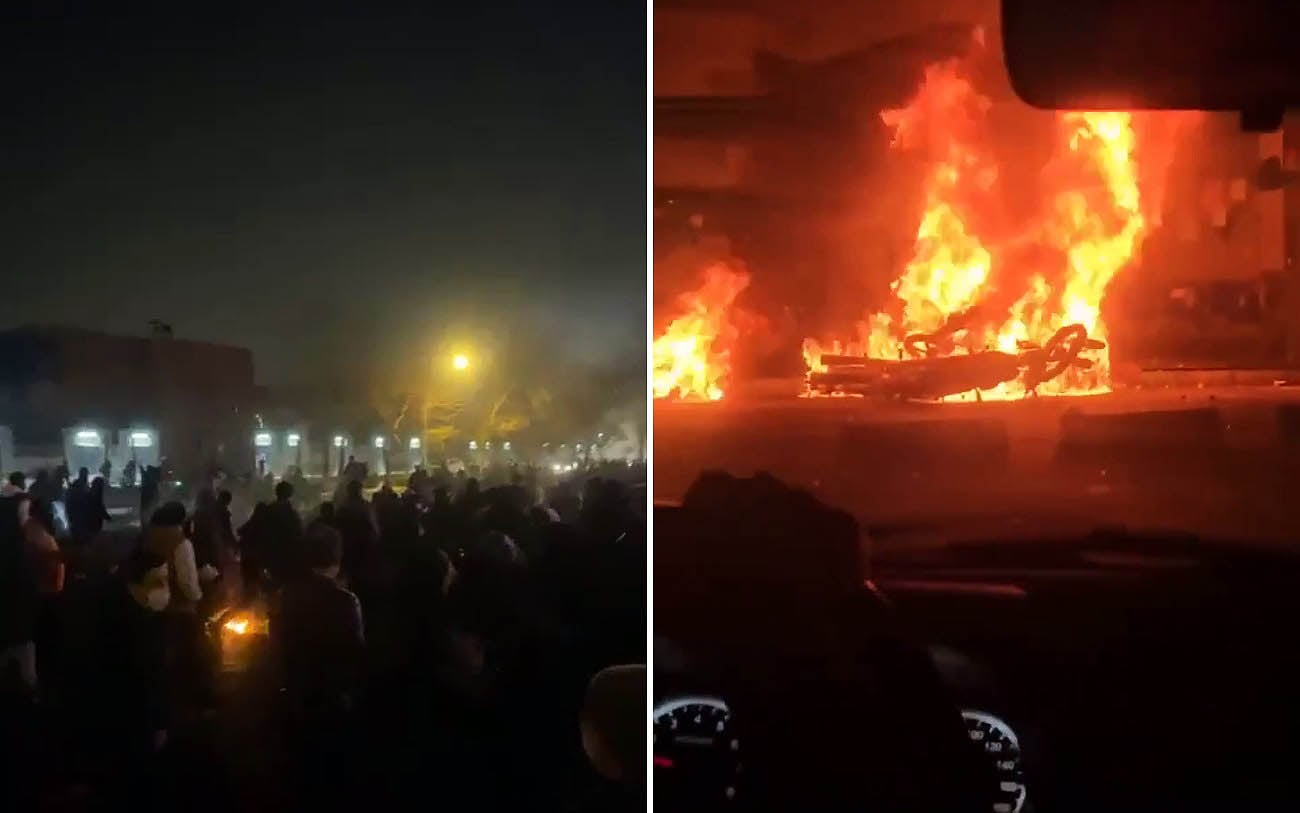
Tear gas burning his eyes, his voice hoarse from shouting anti-government slogans as cars honked around him, Majid joined crowds of Iranians taking to the streets in defiance of a crackdown on a swelling protest movement.
He used a pseudonym for security reasons and, like all those who spoke about the protests, was reached by AFP journalists outside Iran.
Majid described how he rallied with hundreds of others in the streets of eastern Mashhad on Wednesday night, even as police tried to disperse the crowd that nonetheless kept reforming.
“Police are targeting people with pellets, tear gas and shotguns,” Majid said.
“At first, people dispersed, but they gathered again,” rallying in the streets until the early hours of the morning.
Get The Times of Israel’s Daily Edition
by email and never miss our top stories
By signing up, you agree to the terms
“We know that if we go out there, we might not survive, but we are going and we will go out there to have a better future,” he said.
The demonstrations sparked in late December by anger over the rising cost of living and a currency nosedive have spread nationwide, their numbers — and death toll — growing.
Protesters filled the streets of the capital Tehran and other cities on Thursday night, despite a crackdown leaving dozens killed by security, according to the Norway-based NGO Iran Human Rights.
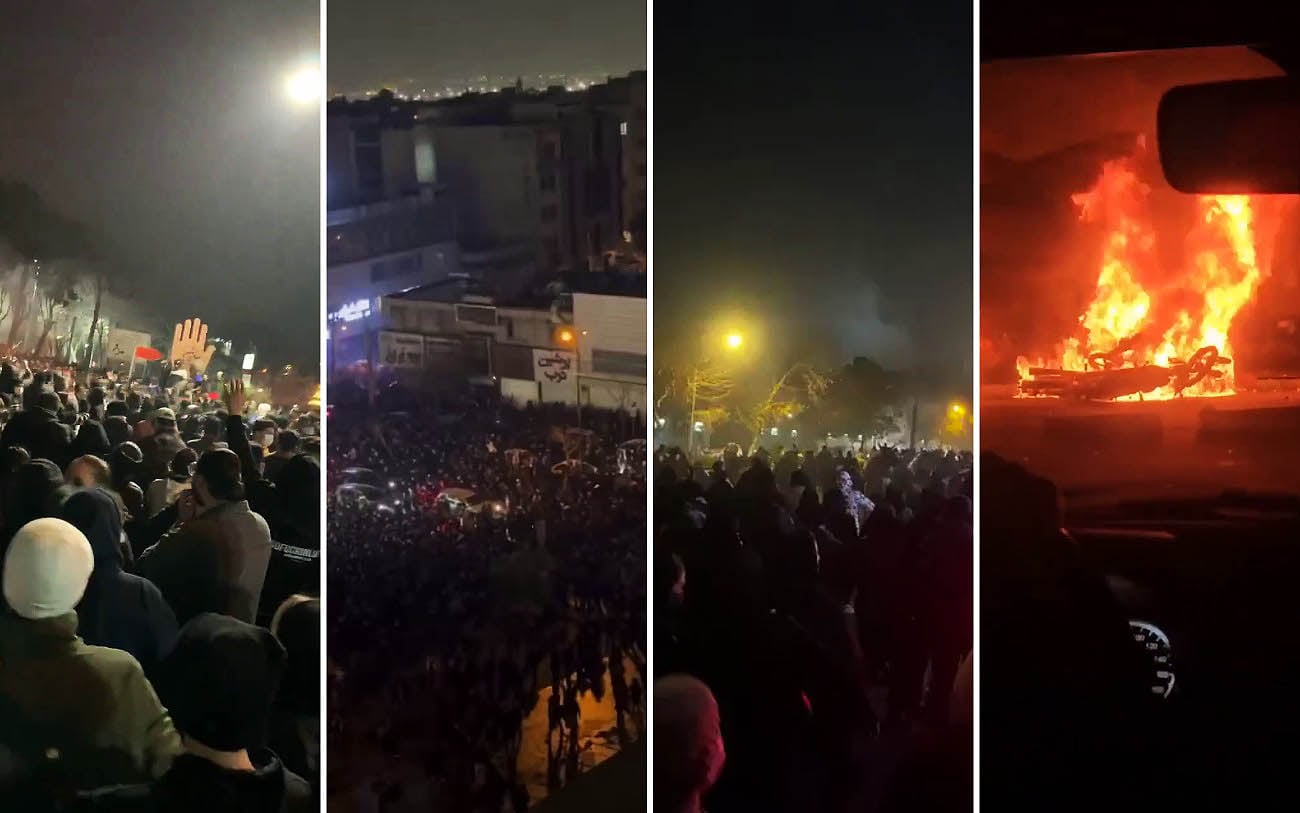
Iranian protesters seen marching and torching regime-owned vehicles, statues and structures in Tehran on January 8, 2026. (X; used in accordance with Clause 27a of the Copyright Law)
Local media and official statements have reported at least 21 people, including security forces, killed since the unrest began, according to an AFP tally. Iran Human Rights has put the death toll at 45.
Violent crackdowns accompanied the last mass protests to sweep Iran in 2022-2023, sparked by the custody death of Mahsa Amini, who had been arrested for allegedly violating the strict dress code for women.
‘Last fight’
Majid, a mobile shopkeeper in his thirties, said this time felt different.
“During these protests, even those people or those classes that had never felt the pressure before are now under pressure,” he said.
“You can see 50-year-old women, I saw someone who used to collect garbage on the streets chanting slogans along with shopkeepers. Young, old, men, women, all are in the streets.”
This wave of protests has hit as the clerical authorities under the supreme leader Ayatollah Ali Khamenei are already battling an economic crisis after years of sanctions and recovering from the June war against Israel.
“This is going to be the last fight against the government,” Majid said, though he is uncertain of what would take the Islamic Republic’s place.
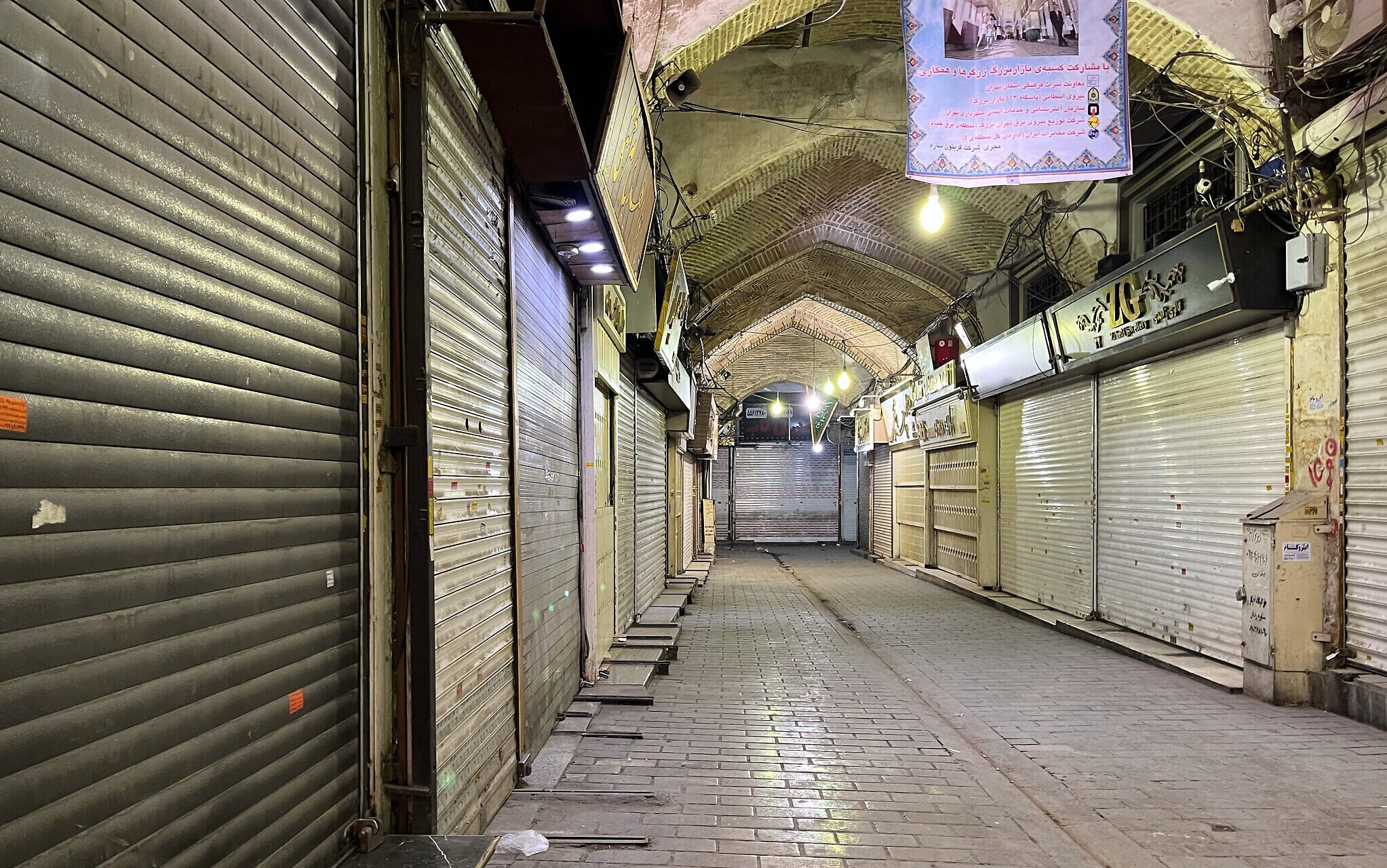
Shops are closed during protests in Tehran’s centuries-old main bazaar, Iran, January 6, 2026. (AP Photo/Vahid Salemi)
“Right now, we just want to get rid of this bloody government because no matter who comes to rule, it won’t be as bloody as them.”
Another shop owner in Kermanshah in western Iran, which has seen intense protest activity, shuttered his store as part of a strike called in protest on Thursday.
The 43-year-old said he had participated in every protest since 2009, when mass demonstrations flooded the streets after disputed elections.
But this one felt different from previous movements, because “people’s economic situation is heading towards complete collapse and life is no longer as it once was.”
“No matter how hard we work, we cannot keep up with the inflation for which the regime is responsible,” he told AFP via a messaging app, saying protesters wanted “radical change in Iran.”
“Although I have a relatively good job, our lives have been severely affected this year by these economic conditions. We want a free and democratic Iran, and a free Kurdistan.”
Another merchant in Saqqez in Kurdistan province said he expected “more intense and widespread waves of protests in the coming days in Kurdish cities,” echoing other Iranians.
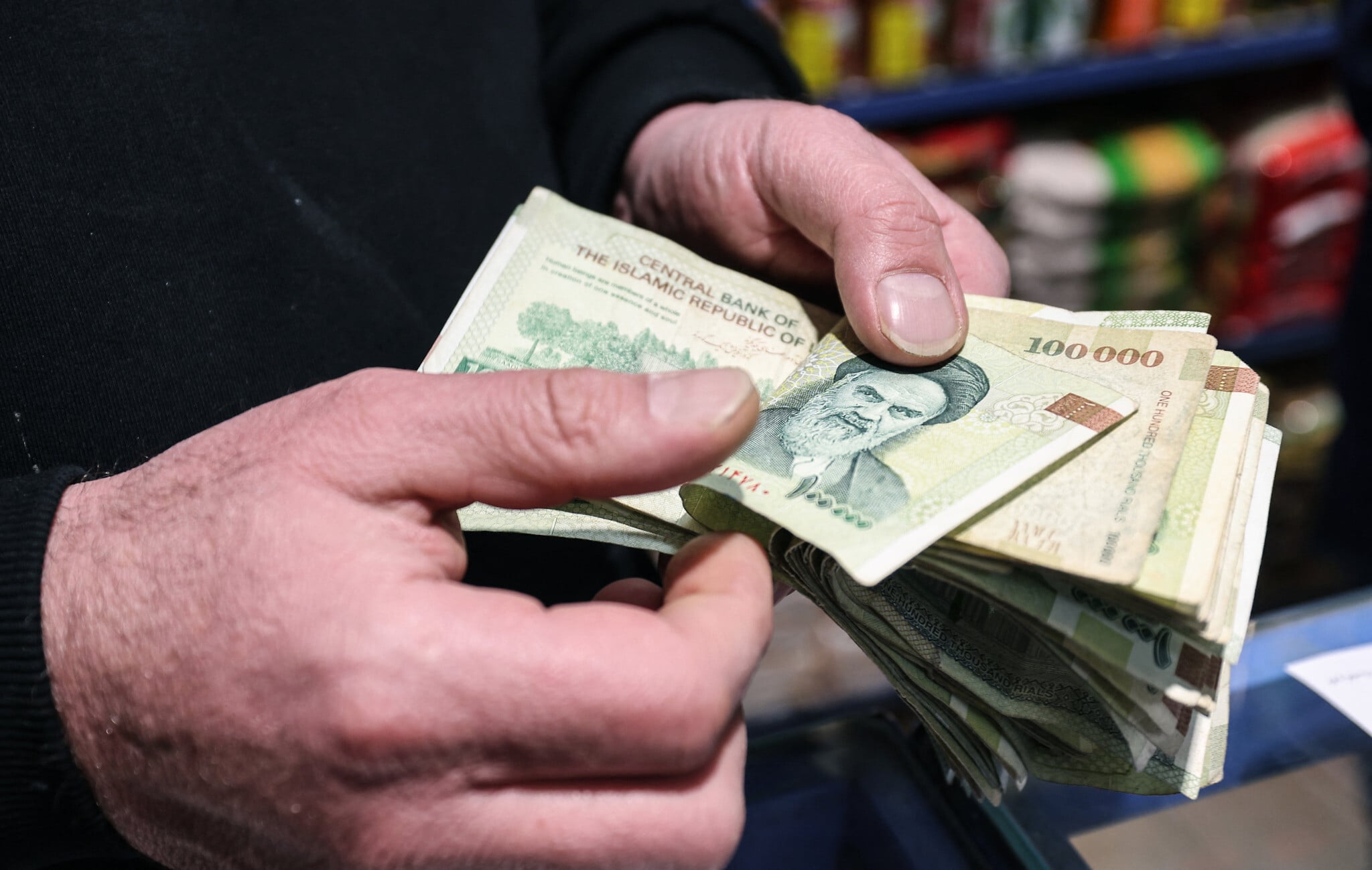
A shop owner counts Iranian banknotes at a store in the capital Tehran on January 7, 2026. (Atta Kenare/AFP)
‘We stay alive’
One Tehran resident said she and neighbors had been shouting slogans from their windows at night, something she did for months during the “Woman, Life, Freedom” protests in 2022.
But, she said, now the “level of dissatisfaction is higher than ever.”
And while Iranian President Masoud Pezeshkian has called for “restraint” and announced measures to try to address grievances, the Tehran resident said, “the issue for us is the end of the regime, and nothing else is satisfactory.”
“Living and continuing our daily lives has been one of our major struggles for the past 47 years after the revolution” that brought the Islamic Republic to power, she said.
“But we stay alive and fight until (we) get freedom.”
Another Tehran resident, a mother of two, sent a message to a relative abroad saying she was safe but warning her connection was becoming unreliable, not long before the internet went dark across the country ahead of protests on Thursday night.
She said it was becoming difficult to get groceries after days of demonstrations, as stores restricted opening hours and bigger protests were looming.
“Hoping for better days for all of us,” she said.
You appreciate our journalism

You clearly find our careful reporting valuable, in a time when facts are often distorted and news coverage often lacks context.
Your support is essential to continue our work. We want to continue delivering the professional journalism you value, even as the demands on our newsroom have grown dramatically since October 7.
So today, please consider joining our reader support group, The Times of Israel Community. For as little as $6 a month you’ll become our partners while enjoying The Times of Israel AD-FREE, as well as accessing exclusive content available only to Times of Israel Community members.
Thank you,
David Horovitz, Founding Editor of The Times of Israel
Already a member? Sign in to stop seeing this