Key Takeaways
- Protein is essential for health, but most people already get enough, and more isn’t always better.
- For the average healthy adult, regularly eating more than about 2 grams of protein per kilogram of body weight is considered excessive.
- Consistently overdoing protein—especially through supplements—can strain the kidneys and cause side effects like dehydration, digestive issues, and fatigue.
High-protein diets continue to be all the rage, and mainstream media may have you believing we’re all deficient in this macronutrient—or that there’s no such thing as too much protein. But, although protein is indisputably important, that messaging isn’t exactly true. But when does protein consumption go from sufficient and health-promoting to overboard? Here’s what protein does in the body, how much you really need, and how much is too much protein.
- Bianca Tamburello, RDN, registered dietitian at FRESH Communications
- Dana Hunnes, PhD, MPH, RD with the UCLA Medical Center
The Benefits of Protein
Protein is important for overall health and wellbeing for a variety of reasons. “Protein plays an important role in proper body functions and regulating hormones, while providing structure to muscles, skin, hair, organs, and bones,” says Bianca Tamburello, RDN, registered dietitian at FRESH Communications. This major macronutrient is also integral in wound healing, tissue repair, and muscle function.
Plus, the body utilizes protein as a key energy source to fuel daily activities. Protein-rich foods help slow digestion, which dulls the blood sugar response and keeps us feeling fuller for longer. The benefits of adding enough protein to meals and snacks are more sustained energy levels, higher satisfaction, and better blood sugar management.
How Much Protein Do We Need?
The truth is that the daily amount of protein each of us needs is highly individual and based on a variety of factors. “Protein needs fluctuate based on height, weight, sex, and activity level,” Tamburello says.
Generally speaking, the average healthy adult needs around 0.8 grams of protein per kilogram of body weight. “This would boil down to most women needing about 46 grams of protein per day and most men needing about 56 grams of protein per day, according to the 2025 Dietary Guidelines for Americans,” she says. This level of protein promotes optimal muscle maintenance and functionality throughout the body in most individuals.
For individuals dealing with specific circumstances, like late-stage kidney disease, recommendations for daily protein intake can be as low as 0.6 grams per kilogram. Meanwhile, burn patients or individuals in otherwise highly catabolic states can require as much as 2.5 grams per kilogram of protein per day.
For most people, however, somewhere between 0.8 to 1.2 grams per kilogram works, including those who are extremely active, which would warrant a slighter higher amount of protein daily.
How Much Protein Is Too Much?
Although nutrition needs vary by person, anything more than 2 grams of protein per kilogram of body weight is considered excessive for the average healthy person. “2 grams per kilogram is more than twice the amount recommended,” says Dana Hunnes, PhD, MPH, RD with the UCLA Medical Center. “The only individuals who need 2 grams per kilogram are those who are cachectic (lost too much fat and muscle, usually due to cancer or other chronic condition), or those who are in critical condition in an ICU, on a breathing tube, and are overweight/obese, so we are trying to maintain their muscle mass while they’re immobile in a bed on a breathing tube, she explains.
What Happens When We Eat Too Much Protein?
In a society where protein is a priority, and including animal-based protein sources at every meal is commonplace, most Americans are not only getting enough, but often getting more protein than they need. In fact, a GoodRx Health report found that Americans are consuming double the amount they need on average.
While it is a hotly debated topic, it’s generally believed that the body can only absorb so much protein at one time for muscle development. “The science states we can only absorb 30 grams of protein at one sitting. More than that won’t turn into extra muscle, unless you’re using that muscle by breaking down through strength training,” Hunnes says. “You can eat 30 grams of protein every three to four hours.” However, some researchers believe there is no maximum amount of protein.
Does getting more protein than our bodies require matter? Is there such a thing as consuming too much protein? It can actually lead to a few different health outcomes. If you eat more calories than your body needs to maintain its current weight, then excess protein may be stored as fat. “Excess protein in the absence of excess calories does not turn into fat, it just makes your kidneys work harder to filter out the extra protein,” Hunnes says.
Since extra protein will be filtered through the kidneys, it gets excreted from the body as nitrogen-rich urea (nitrogen is the building block of protein). It’s this excess urea that is ending up in the wastewater systems and wreaking environmental havoc. (In fact, a 2022 article in Frontiers in Ecology and the Environment found that excessive protein consumption in America is actually introducing unprecedented levels of nitrogen into wastewater and aquatic ecosystems around the country.) Excessive protein intake over very long periods of time can be taxing on the kidneys, potentially contributing to kidney problems down the line.
“Eating too much protein can also cause dehydration and bad breath due to ketosis (if you’re combining high protein intake with extremely low carbohydrate intake),” Tamburello says. Other symptoms of over-the-top protein consumption include headaches, fatigue, stomach upset, and diarrhea. “If you have foamy urine, this could be a sign of kidney damage,” she adds.
However, most people won’t know they’re consuming too much protein without bloodwork, Hunnes says.
How to Get the Right Amount of Protein
There are easy ways to make sure you’re getting the right balance of protein—not too little and not too much—for a healthy, well-functioning body.
Know your personal protein needs.
First, learn how much protein is appropriate for your body and lifestyle/activity level. Using the equation for the average adult shared above, you should aim to consume roughly 0.8 grams of protein per 1 kilogram of your body weight (don’t forget to convert your bodyweight from pounds to kilograms first!).
The best way to know exactly how much protein you need is to consult with a registered dietitian or even your primary care doctor for individualized recommendations.
Eat a mix of plant protein and animal protein.
Many wholesome plant foods are excellent sources of protein—even unassuming fruits and vegetables. “I recommend eating both animal and plant sources of protein for better health,” Tamburello says. Opting for a mix of plant- and animal-based proteins (if you do eat meat, eggs, and dairy), gives you a higher boost of not only protein, but fiber, vitamins, minerals, and plant compounds. Great plant-based options include nuts, seeds, dark leafy greens, tofu, tempeh, whole grains, and legumes like lentils, beans, and peas.
Choose animal-based proteins wisely.
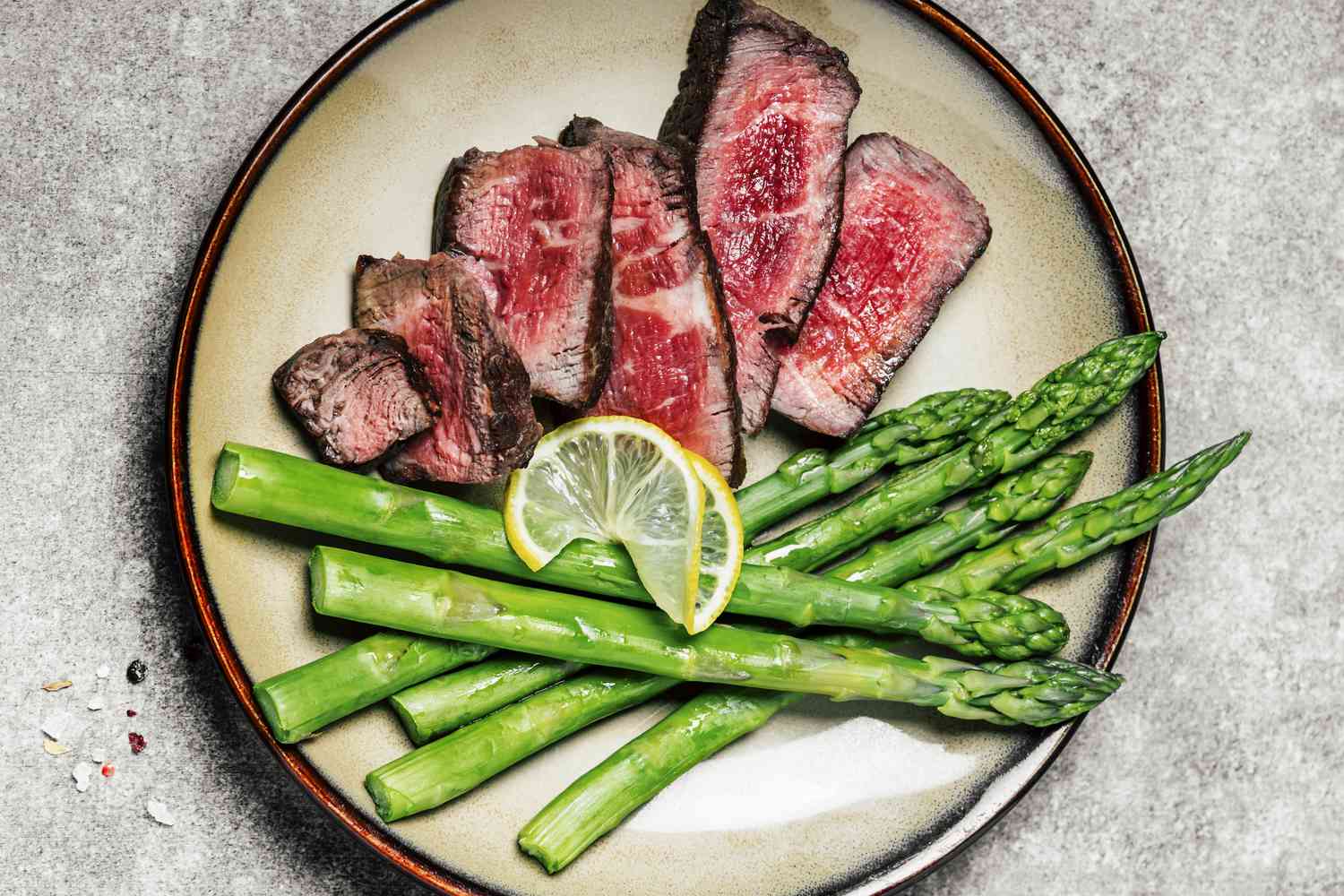
Animal-based foods, like meat, fish, eggs, and dairy, are such high and bioavailable sources of protein, which is fantastic, but they can add up quickly throughout the day. Generally, one ounce of meat is equivalent to seven grams of protein, so a six ounce steak would offer a whopping 42 grams of protein alone. “Aim for lean protein sources (e.g. white-meat and skinless poultry, seafood, eggs), and limit red, highly processed, and fatty meats in your diet,” advises Tamburello (these pointers help support a healthy heart as well).
Be wary of protein supplements.
While concentrated sources of protein, like supplements, are fast and convenient, they can quickly tip you into too-much-protein territory. Whether its a protein bar, shake, powder, or otherwise, many of these options contain upwards of 20 grams of protein per serving. For most Americans who are typically getting adequate protein without these supplements, adding high-protein products into their diets can send them over their daily needs when combined with all the other food they’ll eat over the course of the day.