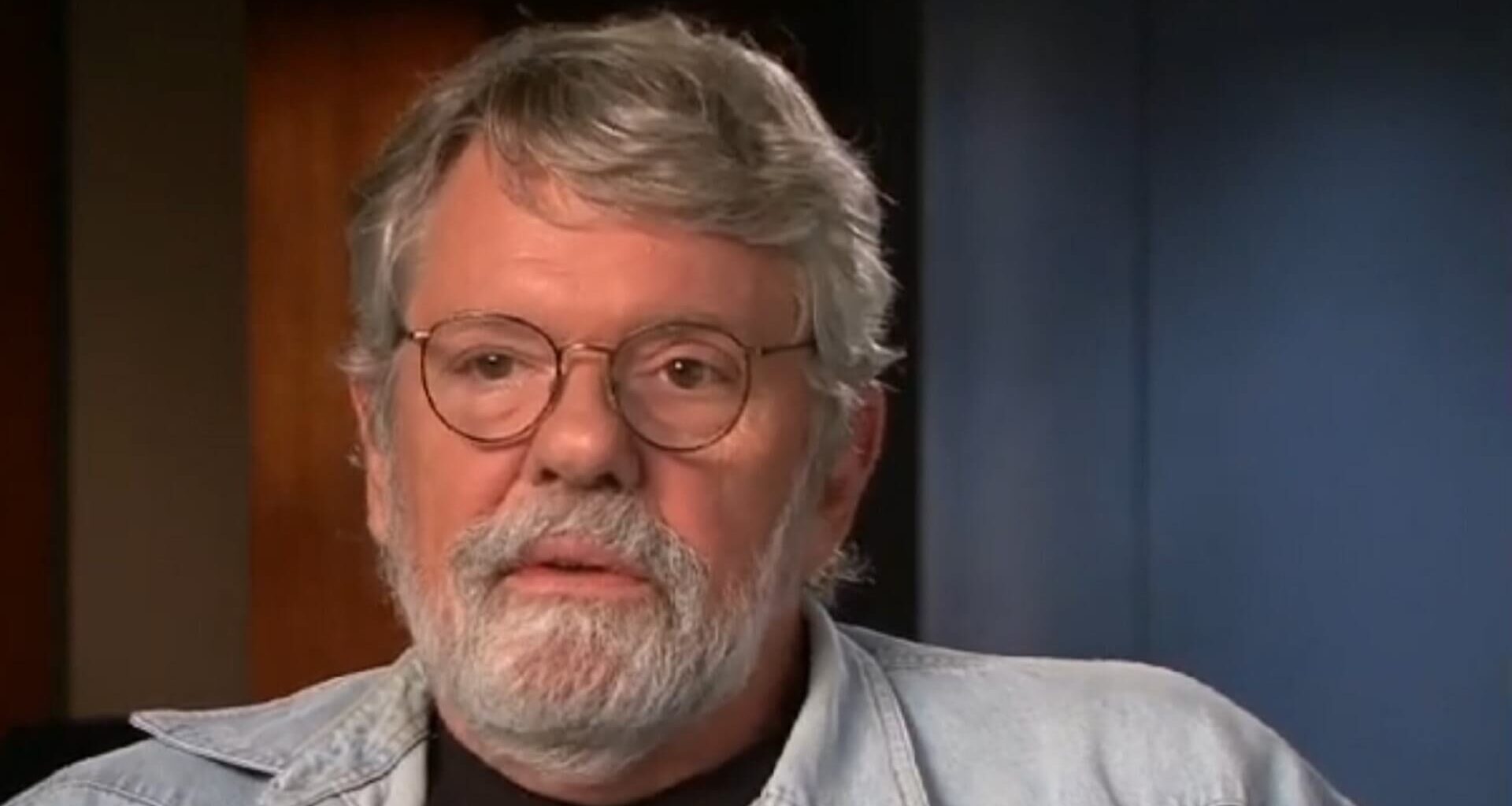
Tom Cherones has died. As producer and director of 81 of the first 86 episodes of Seinfeld, Cherones’ TV work has been heralded as some of the most successful TV comedy of all time. (Notably “The Chinese Restaurant,” “The Parking Garage,” and “The Contest,” frequent entries on lists of the greatest sitcom episodes ever produced.) An author and teacher in addition to his work as a director, Cherones also worked prominently on Ellen DeGeneres’ Ellen and cult classic TV sitcom NewsRadio, directing a significant chunk of its final three seasons. Per THR, Cherones’ Jan. 5 death, after a battle with Alzheimer’s Disease, has been confirmed by his family. He was 86.
Born in Alabama, Cherones got his start in public television in Pittsburgh in the 1970s, working at famed public TV station WQED. (Although mostly employed as a producer, Cherones noted in an interview in 2011 that he once subbed as a director for the channel’s most famous show, Mister Rogers’ Neighborhood.) Moving out to Hollywood in 1975 with his wife, Cherones got early gigs producing on shows like General Hospital and variety shows, before breaking into comedy with a job on Welcome Back, Kotter. Building up a steady reputation as a reliable producer and director across the 1980s (with credits including Growing Pains and Pam Dawber’s My Sister Sam), Cherones had just learned, circa 1989, that one of his own pilots wasn’t getting picked up by its network—only to hear that a rival project, The Seinfeld Chronicles, had just gotten the green light at NBC, and was in need of a producer and director.
Cherones came on to Seinfeld in both capacities, helming almost every episode of its first five seasons, ensuring its frequently rushed production moved smoothly, and establishing much of the visual language of the show. (In interviews, he noted a disinterest in making the series resemble the oppressively lit multi-cam sitcoms he’d spent the last decade making, striving to give the show the feel of a single-camera show while still working within what were technically more traditional limits.) Effusive in his praise of the show’s writing—saying, at the end of the day, that the show’s comedy was “Larry David”—Cherones was often tasked with keeping the series flowing smoothly amidst chaos, network pushback, and frequent delays in the writing process. Which didn’t stop him from occasionally joining in with the show’s sense of iconoclasm, either, noting that he helped push back when NBC expressed confusion at episodes like “The Chinese Restaurant,” saying, “They asked me, ‘Couldn’t you make it look more like a sitcom?’ And no, I wasn’t going to do that.”
Cherones left Seinfeld in 1994, after the conclusion of its fifth season, and apparently at Seinfeld’s request. (“He was tired of the same thing, I guess,” he told interviewers two decades later.) If there were hard feelings about the departure, they didn’t stop Cherones from joining many of the show’s staffers for a cameo in its 1998 finale, although he personally considered the episode too “depressing.” A tireless worker, Cherones moved from Seinfeld to Ellen, where he directed the show’s second season, and then from there (after a brief stint on Caroline In The City) to NewsRadio, where he directed the vast majority of its third, fourth, and fifth seasons. Besides navigating the horror of cast member Phil Hartman’s murder in 1998—directing both Hartman’s final episode, and the show’s funny, touching tribute to the late star at the start of its final season—Cherones also directed many of the show’s more bizarre and experimental episodes, including alternate universe episodes that took place in space or on the Titanic. (He also directed “Complaint Box,” which includes one of the all-time funniest ensemble scenes in TV history.)
After NewsRadio ended, Cherones’ career slowed down considerably; his later filmography is mostly filled with single-episode stints on shows like Sabrina The Teenage Witch, Desperate Housewives, and Reaper. In that time, though, he also devoted himself to opportunities for mentorship and education, running an annual program at the University Of Alabama in his hometown of Tuscaloosa, teaching film students about the practical craft of directing film and television. (He noted, with pride, that graduates of the program had begun forming a small cadre of Hollywood professionals in the 2010s, creating a support structure that embodied an idea that he tried to impart to students, that “a kid from Tuscaloosa can do okay in this business.”)
Tom Cherones’ career, then, is a testament to the idea that great TV does not just happen; that it does not pass, like magic, from the minds of writers into the mouths of actors, who then spin genius out of nothing. Cherones would have been the first guy to admit that his was not the spark of inspiration powering Seinfeld’s ascent to the generation-gripping zeitgeist—for all that he helped craft the show’s sitcom tradition-defying look. As both a producer, and a director, his brilliance was in the ability to translate the ideas of others into the world; to take a funny-in-the-room idea like “We’re going to film our whole episode inside a parking garage” and then address the million complexities that grow out of it, producing a half hour of workable, classic television in the process. Great scripts can happen without guys like Cherones; great performances can exist without their hard-working ilk. But great television is impossible without that kind of day-in, day-out commitment to quality, and the number of all-time classics on the man’s resumé is solid proof of the impact it can make.