Why this matters
More than 475,000 students attended a school in San Diego County last year.

From stretching dollars to cutting jobs, San Diego County schools spent the last year cranking numbers to reach fiscal solvency amid declining enrollment.
The new year will likely bring the same challenges.
Experts are expecting schools to see even fewer students over the next decade — and essentially less funding. Now, school officials are working to right-size their districts as they face continued financial pressure and rising costs.
Here are the top education issues to watch in 2026.
Enrollment declines
Schools in San Diego are continuing to report fewer enrolled students.
Enrollment across the county’s non-charter schools has dropped by roughly 57,000 students, or about 14%, state data shows.
Lower birth rates, high housing costs, migration changes and an increased interest in alternative education are among the reasons why some school districts are seeing fewer students.
At South Bay Union, declining enrollment has pushed some of its schools to the brink of extinction. Three campuses are now slated to close. The first one: Central Elementary, which will shut down when the school year ends in June. Superintendent Jose Espinoza has previously said that layoffs are likely.
This year, about 3,500 students are enrolled at the district, roughly half from a decade ago. It’s the steepest enrollment decline compared to any other district in the county over that same period.
Declines are projected to continue statewide. At San Diego Unified, board President Richard Barrera is eyeing housing projects as a way to potentially attract families, Voice of San Diego reported.
Funding shortages
As student enrollment dwindles, more schools are facing financial challenges.
Each of the county’s 10 largest school districts projected spending more than they’re bringing in for the second year in a row, according to budget records that inewsource reviewed last year.
Declining enrollment is partly the cause. That’s because fewer students means fewer dollars: Education funding in California is given to districts based on their students’ average daily attendance.
Meanwhile, school districts are dealing with rising costs, including liability insurance and special education.
Last month, the Chula Vista Elementary School District discussed the need to potentially cut $5 million from the budget. Those reductions could hit counseling and behavioral support services.
And San Diego Unified, the county’s largest district and the second-largest in the state, is projecting a $47 million deficit next fiscal year. Superintendent Fabi Bagula said a major reason is because special education is chronically underfunded.
“These services cost us more than $400 million annually, yet we receive only $125 million from state, federal and local sources. The remaining $275 million-plus comes from our general funds,” Bagula said in a video to district families. “This is not sustainable and it’s not fair to our children and families.”
Workforce costs
The vast majority of school budgets go toward personnel costs. San Diego Unified, for example, spends roughly 95% of its unrestricted budget on employee compensation.
When student enrollment boomed — and subsequent COVID-19 pandemic funding helped cover costs — districts increased their staffing levels.
Now, budget restraints are forcing schools to slim down. Last year, school districts across the county reduced their workforce, either by eliminating vacant positions or through layoffs.
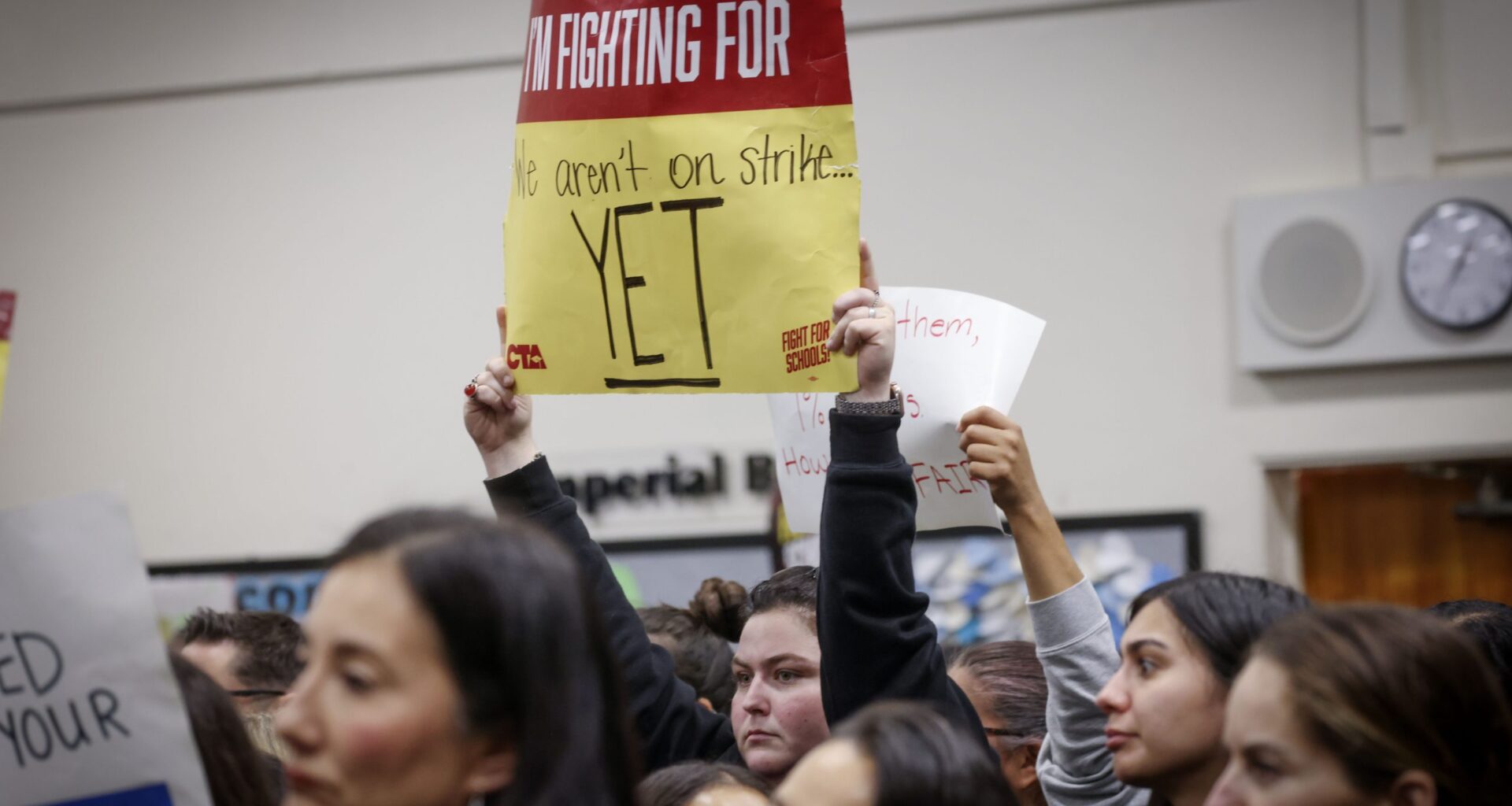
Those reductions come as some districts are dealing with tense labor talks. More than a dozen school districts across the state are at an impasse with teachers unions over contract negotiations. Some are threatening to strike.
South Bay Union teachers have been negotiating new terms for pay and other issues since May 2024. If a deal isn’t reached, nearly all members have signed a pledge to go on strike as soon as this month.
Marguerite Roza, director of the Edunomics Lab and a research professor at Georgetown University, said in a September article that staff cuts will be unavoidable.
“The only question is whether leaders will shrink in ways that ultimately degrade their school systems or do the hard work of seeking a smaller but more effective delivery model for the students they now serve,” she said.
Type of Content
News: Based on facts, either observed and verified directly by the reporter, or reported and verified from knowledgeable sources.