It’s peak winter. Sunlight is scarce, the nights are long, and going outside can feel about as appealing as sleeping on an ice-cube mattress. Not all of us enjoy these colder months with equal enthusiasm.
According to the Canadian Psychological Association, about 15 per cent of Canadians will experience at least a mild form of seasonal affective disorder (SAD) in their lifetime. Colloquially known as the winter blues, SAD is a form of malaise that often sets in when the sun starts calling it a day around 4 p.m. and eases in spring. For 2 per cent to 3 per cent of the population, it can be genuinely debilitating.
How to thrive in the darkest months of the year
One of the most common treatments for SAD is a light-therapy lamp: a bright-light box or screen designed to mimic natural daylight. While these lamps are technically medical devices, they don’t require a prescription to buy or use.
“It is very safe to try light therapy at home,” says Norman Farb, associate professor of psychology at the University of Toronto Mississauga, where he directs the Regulatory and Affective Dynamics Laboratory.
Farb notes a few risks. One is ultraviolet light, which causes premature aging and increases the risk of skin cancer. “People should not use sunlamps or halogen lamps,” he says. “But the biggest risk factor is for people with a history of bipolar disorder. They don’t want to ramp up the light too quickly, for fear of triggering a manic episode. So, the rule of thumb is to check with a health care provider.”
Dr. Michael Mak, a psychiatrist and sleep medicine specialist at Toronto’s Centre for Addiction and Mental Health, agrees and says the lamps are a safe way to address a midwinter slump.
“The lamp is doing something you could already do naturally by going outside and standing in the sun,” he explains. “You want a light-therapy lamp that produces 10,000 lux. On a clear day, the sun produces about 100,000 lux.”
A lux is a measure of how much light falls on a given surface area. While 10,000 lux is the standard recommendation for light therapy, guidelines from the University of British Columbia’s Faculty of Medicine suggest that lower levels – around 5,000 lux – may also be effective, provided users spend more time in front of the lamp.
“The reason light therapy works is that on overcast days – which are very common from November to March – sunlight can drop to just 1,000 or 2,000 lux,” says Mak. “The therapy lamp is helping to make up the deficit.”
Typically, users sit a few feet from a light-therapy lamp for 20 to 30 minutes a day over several weeks (or 40 to 60 minutes for lower lux levels). Higher-end designs often feature adjustable screens that can tilt, pivot or change height, allowing for more flexibility and comfort during use.
“It’s best to use light therapy in the morning,” says Mak. “It’s energizing. If you use it at night, it can interfere with sleep – and that creates a whole new set of problems.”
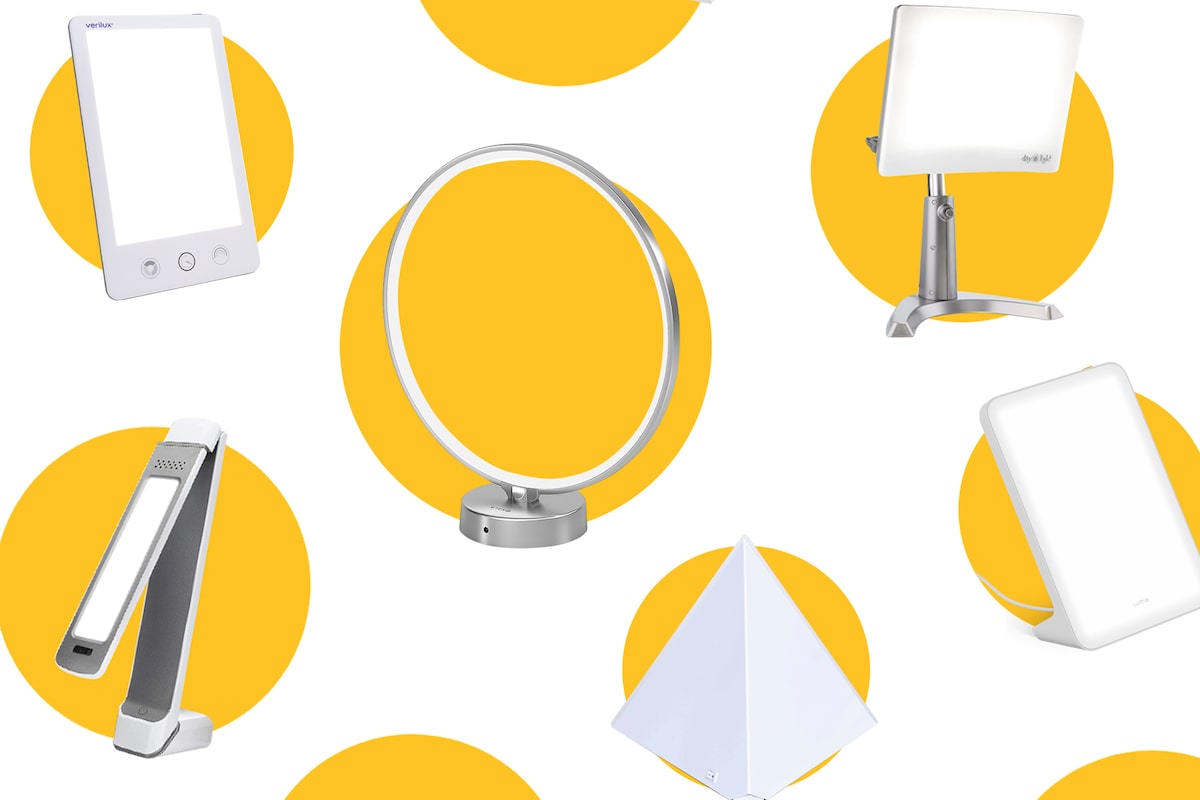
Six buys to try
Look for a light-therapy lamp that produces 10,000 lux and emits no UV light, like each of these options. It’s a bonus if it also looks good on your desk or nightstand.
Verilux HappyLight
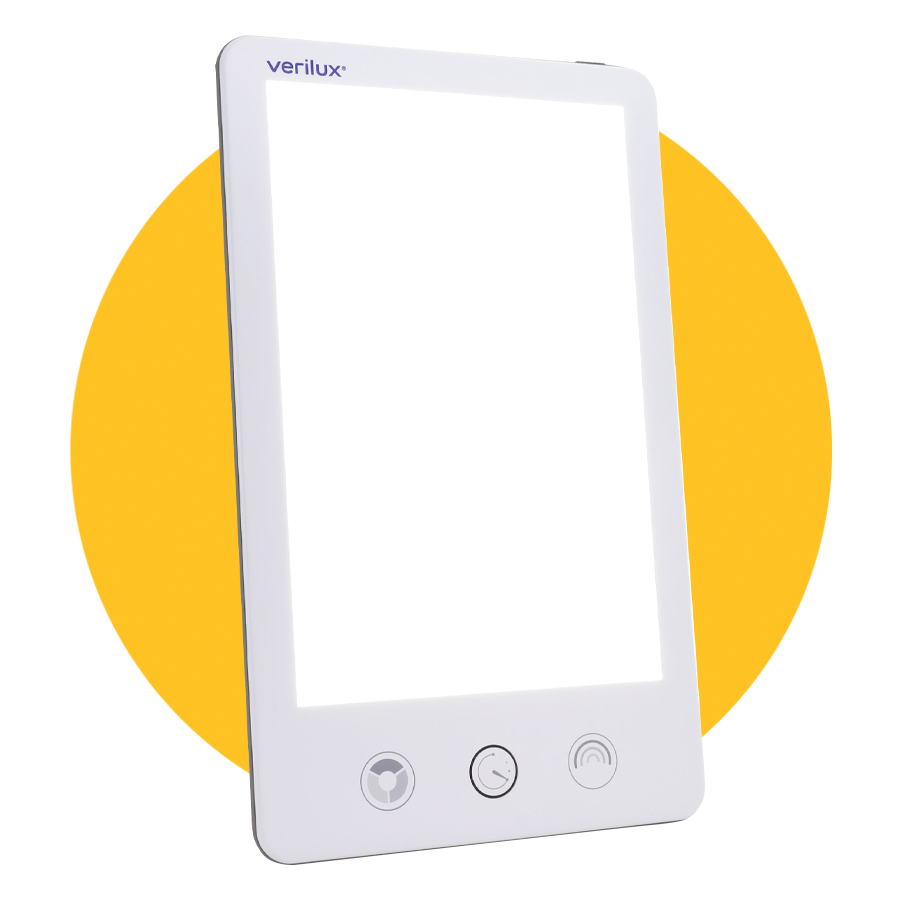
What sets the Verilux HappyLight apart is its sleek appearance. It looks more like an iPad than a medical appliance, and comes with different frame options, such as plain white, white marble and champagne gold. It offers a built-in timer and option to wall mount.
Buying options
Buy at Verilux
$89 from Amazon
Northern Lights Luxor Desk Lamp
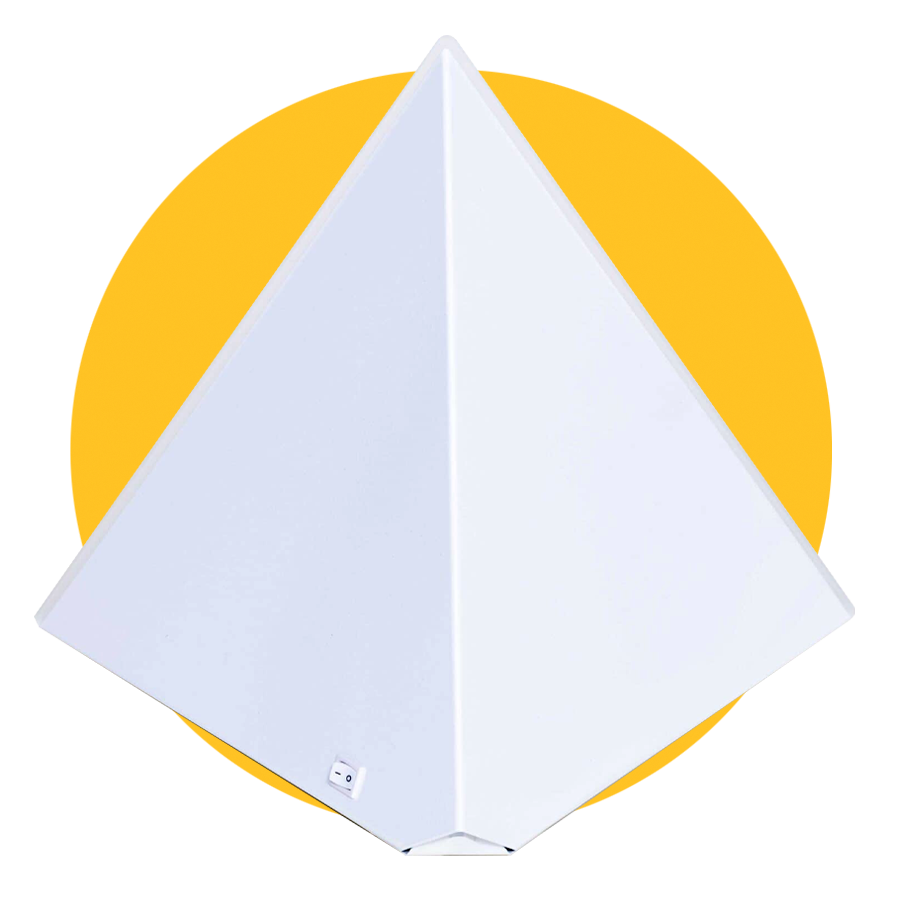
Northern Lights is a Montreal-based company that specializes in light-therapy boxes. Its Luxor Desk Lamp operates with a low-wattage, high-efficiency LED bulb. The quirky pyramid shape helps it blend in with other table-top decor.
Buying options
$190 from Northern Lights
$110 from Amazon
Lumie Mini Lamp
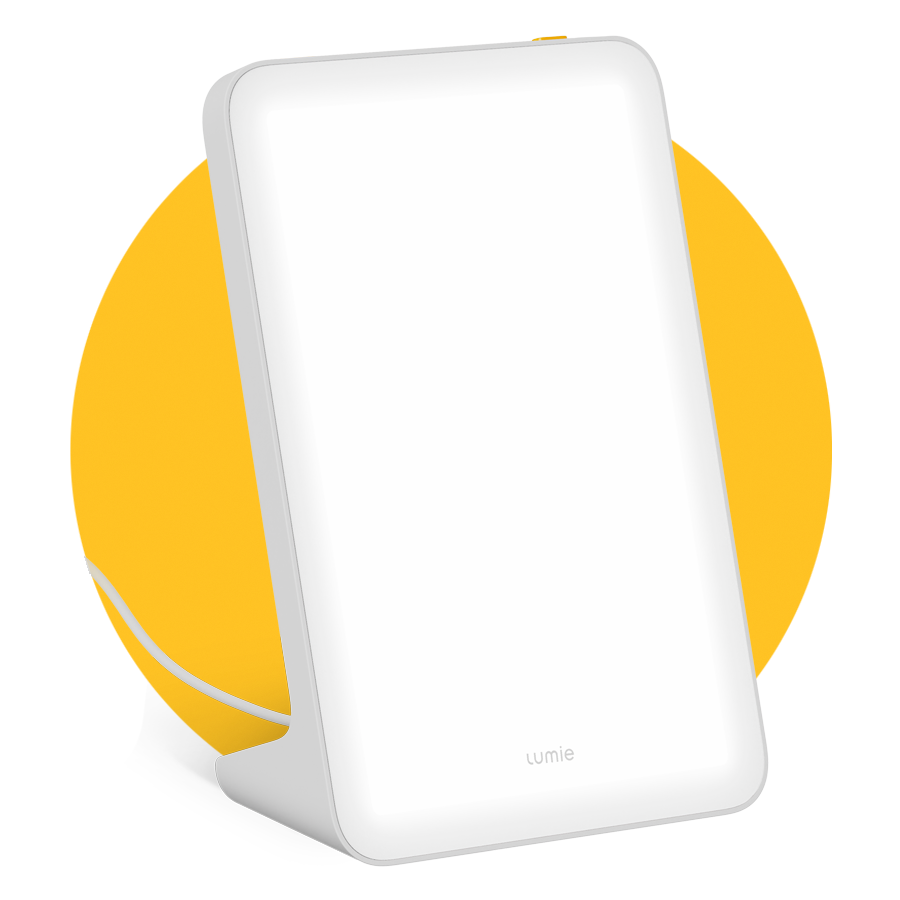
British-based Lumie makes a variety of light-therapy lamps in different shapes and sizes. Its Mini option, about the size of a hardcover book, is ideal for travel, or people who need a small, lightweight device they can easily tote around the house.
Buying options
$117 from Amazon
$62 from Lumie
Renewed Kala Therapy Lamp
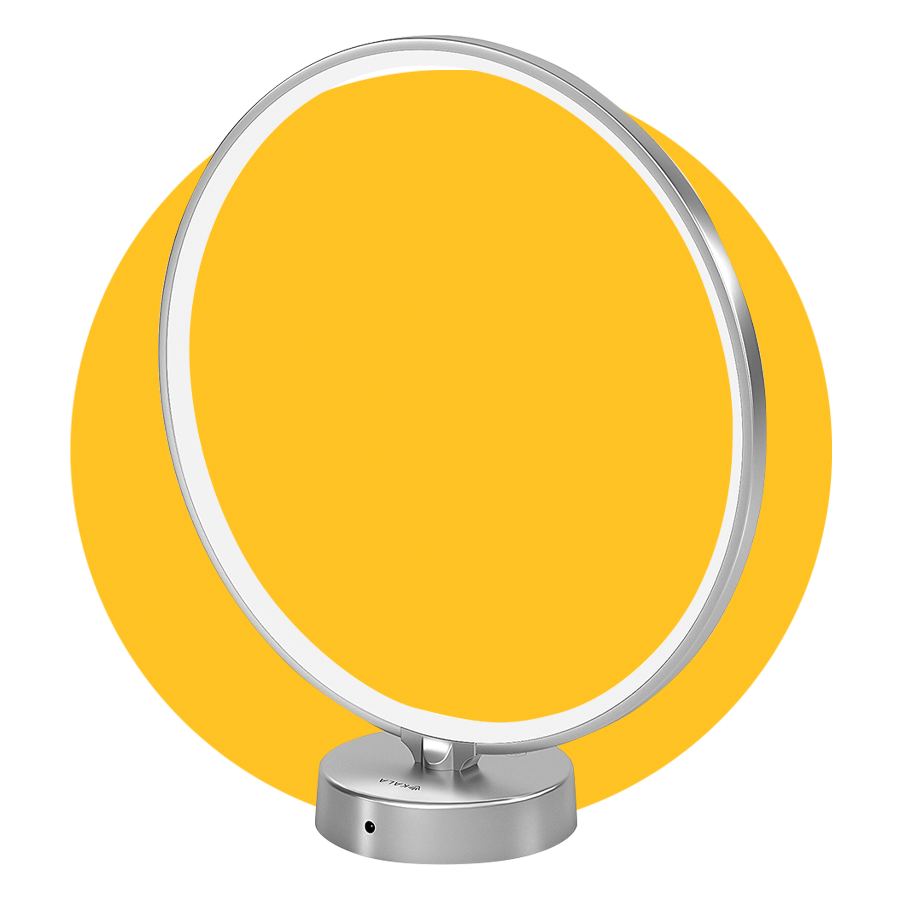
Kala, based in Mississauga, Ont., specializes in light-therapy devices of different kinds, including infrared options for athletes. Its sleek Renewed lamp emits light from a simple ring, operating with a timer to ensure the device is on for the desired duration.
Buying options
$180 from Kalared Light
$189 from Well.ca
Circadian Optics Lumos 2.0
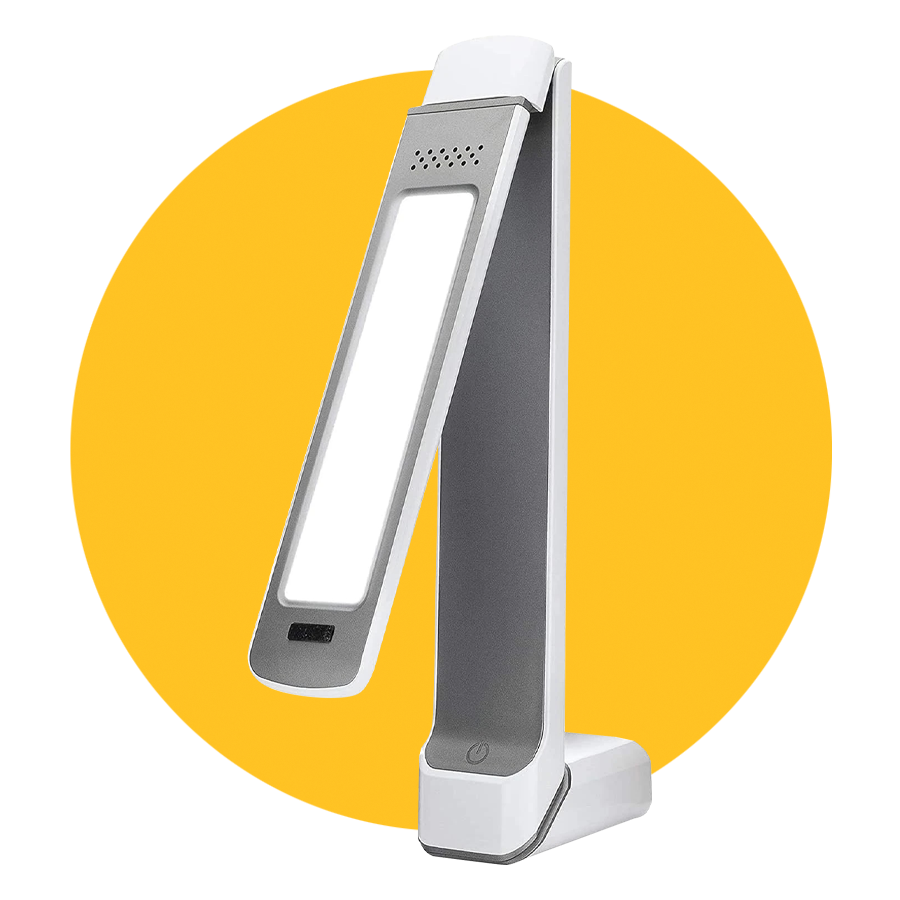
One of the challenges of using a light-therapy lamp is finding a comfortable way to sit in front of it for the required duration (often 20 to 30 minutes). The Circadian Optics Lumos 2.0 makes it easier, with a pivoting arm that can be adjusted to nearly any position, freeing the user to move around as they get their light.
Buying options
$97 from Amazon
Carex Day-Light Classic Plus
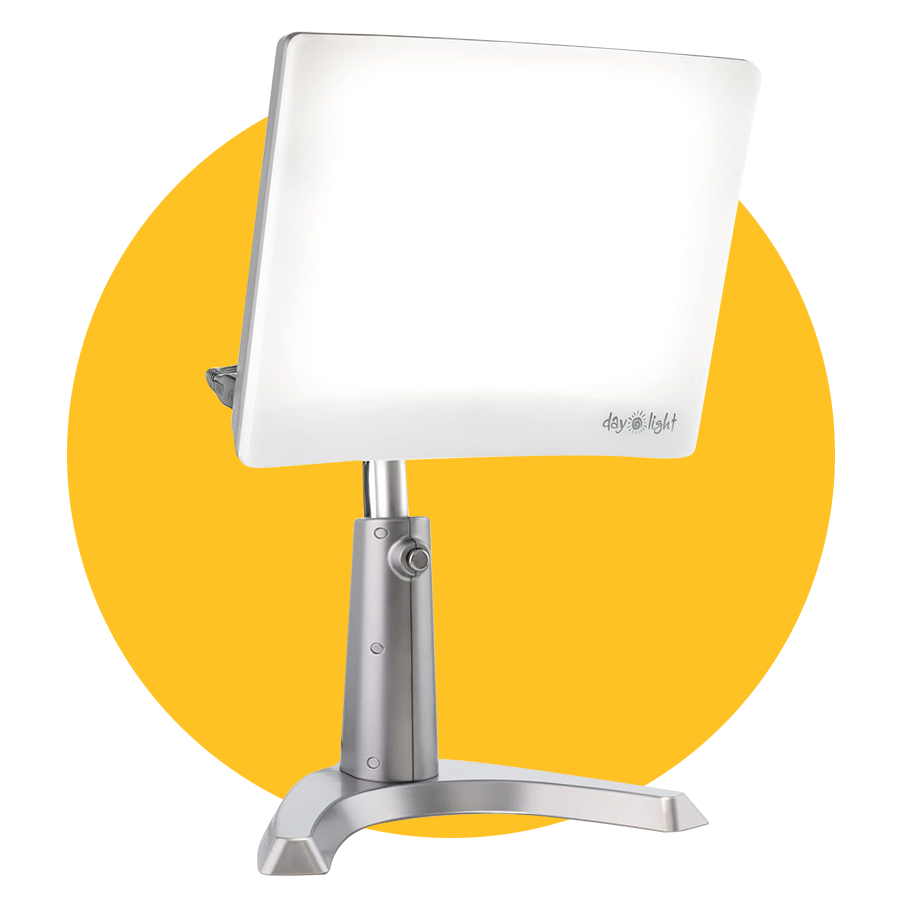
The Carex Day-Light Classic Plus has been named the best light-therapy lamp by more than 50 publications. Its height and angle are both adjustable, and it offers two light settings.
Buying options
$200 from Amazon
$149 from Carex