Michael Putland/Getty Images
The trajectory of rock music is such that it all pretty much peaked in the 1970s. Our most iconic rock stars — both solo performers and significant contributors to bands — came of age creatively and professionally in that decade. From folk rock to hard rock to blues rock to New Wave, rock music arguably reached its apex in this, the age of the rock star. However, some important figures of ’70s rock are more fondly remembered than others. Over time, certain details about those rock stars’ behavior and activities emerged, and it cast a pall on all the great work they’d generated.
As it stands now in the 21st century, some of those instrumental rock stars, all of them members of the controversial Rock and Roll Hall of Fame, did things that permanently marred their public record and damaged their reputations. Here are the biggest ’70s rock stars who did such terrible things that the world thought twice about them.
David Crosby
Lgi Stock/Getty Images
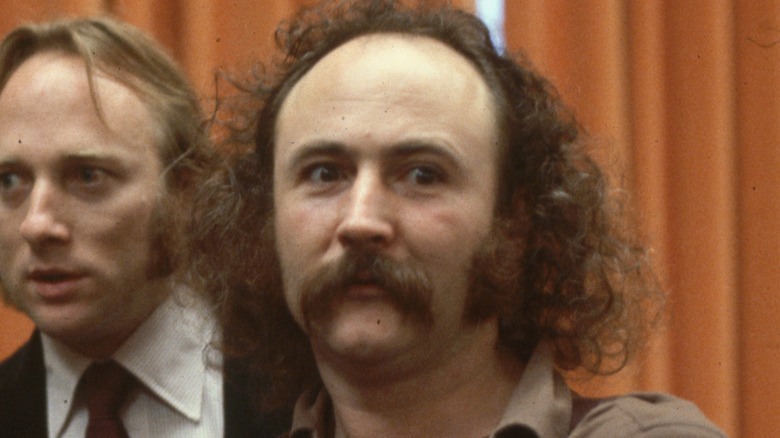
Formerly a member of the Byrds, David Crosby spent the 1970s with Crosby, Stills, and Nash (and sometimes Young), the pre-eminent acoustic act of the decade. Crosby’s and his bandmates’ music extolled progressive virtues and the value of peace and love, but in his personal life, Crosby was arrested more than once for drug and gun-related crimes.
While on his way to an anti-nuclear protest in California in March 1982, Crosby crashed his vehicle into a freeway divider. After authorities removed him from the automobile, they determined that Crosby was high on cocaine. Finding cocaine and Crosby’s loaded gun, police arrested the musician for illegally carrying a concealed weapon, driving under the influence of cocaine, drug possession, and drug paraphernalia possession.
A plea deal reduced the slate to a count of reckless driving and Crosby was sentenced to probation, but he would be sentenced to prison for another series of crimes that occurred three weeks after the car accident. In April 1982, Crosby was arrested at a Dallas concert venue due to the presence of cocaine and a loaded handgun in his dressing room. Crosby started serving a five-year term in March 1986, but was sprung after five months.
Elvis Costello
Richard E. Aaron/Getty Images
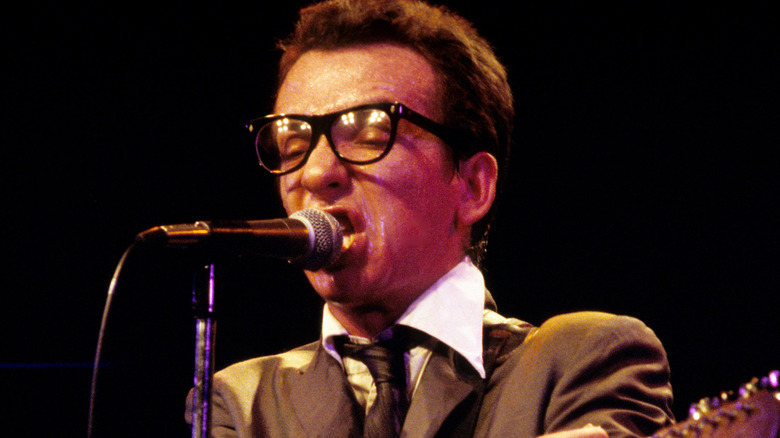
In the late 1970s, Elvis Costello was a sensation in the U.K. and the U.S. with his albums “My Aim is True” and “This Year’s Model.” Lumped in with both the post-punk, anti-establishment “angry young men” as well as New Wave, Costello would later gel as more of a cult favorite and icon on the more niche-like alternative rock circuit. However, any aspirations of mainstream mega-fame were ultimately dashed after a couple of utterances of hate speech.
In 1979, Costello’s “Armed Funk Tour” landed in Columbus, Ohio, where the musician and his band hung out in a hotel bar with folk rock icon Stephen Stills and his entourage. As the alcohol flowed, the conversation got more intense, and Costello stated his general distaste for American music. Then he decided to use an ugly racial slur to dismiss the work of two foundational figures of American music, Ray Charles and James Brown. Singer Bonnie Bramlett struck Costello, leading to a brief, two-band brawl. Then Bramlett told reporters about Costello’s use of the N-word, forcing the latter to hold a press conference to explain what had happened and to deny being a racist.
Jimmy Page
Michael Putland/Getty Images
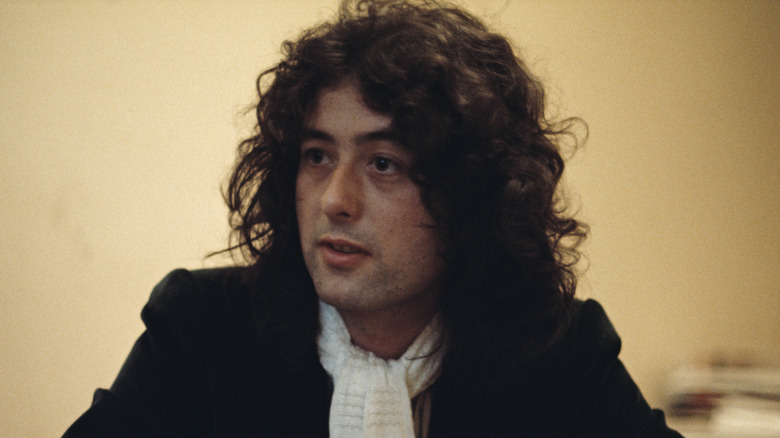
Regarded as one of the finest British blues-inspired hard rock guitarists, Jimmy Page became positively worshipped in the 1970s with Led Zeppelin. As the lead guitarist in the band, Page played a major role in forging its sound, and his distinctive shredding can be heard on rock standards like “Whole Lotta Love” and “Stairway to Heaven,” both of which he’d later be accused of stealing.
In 1985, blues musician Willie Dixon sued Led Zeppelin for stealing chunks of “You Need Love,” a song he wrote for Muddy Waters and well known throughout the ’60s blues-rock scene, to use for “Whole Lotta Love.” The case was quickly settled out of court, and Page and singer Robert Plant went back and forth in the media, blaming each other for the heist.
In 1968, the band Spirit released the instrumental “Taurus,” the guitar line of which sounds a lot like the opening section of 1971’s “Stairway to Heaven.” The estate of Spirit member Randy Wolfe filed a copyright infringement suit in 2014, which was dismissed in 2016 but retried upon appeal. Page, along with Led Zeppelin, was cleared of intellectual theft in 2020. “What you have here is a big win for the multi-billion dollar industry against the creatives,” Spirit’s lawyer Francis Malofiy told Rolling Stone. “They’re the greatest art thieves of all time and they got away with it again today.”
Steven Tyler
Ron Pownall/Getty Images
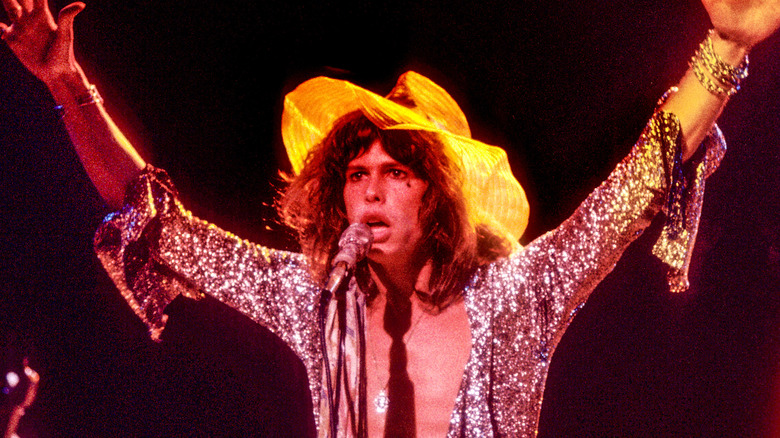
Undoubtedly one of the famous rock stars of all time, Steve Tyler emerged with the rest of Aerosmith out of the Boston area in the early 1970s. By decade’s end, the band was huge, blending blues with simple rock hooks and playing arenas around the world. During much of that time, it would later emerge that Aerosmith’s highly recognizable frontman was allegedly touring with an underage girl, whom he’d adopted for the sole purpose of committing illegal acts.
In 2022, Julia Misley filed a suit against Tyler, publicly claiming that she was coerced into a lengthy relationship with the Aerosmith singer in the 1970s. Misley reported that she met Tyler at a concert in 1973 when he was 25 and she was 16, after which they went to a hotel room where she was assaulted for the first of several times. In 1974, after flying Misley to various Aerosmith concerts for a few months, Tyler filed paperwork to become Misley’s legal guardian so he could keep her nearby. Misley also alleged that Tyler gave her lots of drugs and alcohol, continuously assaulted her, and forced her to end a pregnancy. Parts of the lawsuit were dismissed in 2024.
If you or anyone you know has been a victim of sexual assault, help is available. Visit the Rape, Abuse & Incest National Network website or contact RAINN’s National Helpline at 1-800-656-HOPE (4673).
Pete Townshend
Ed Perlstein/Getty Images
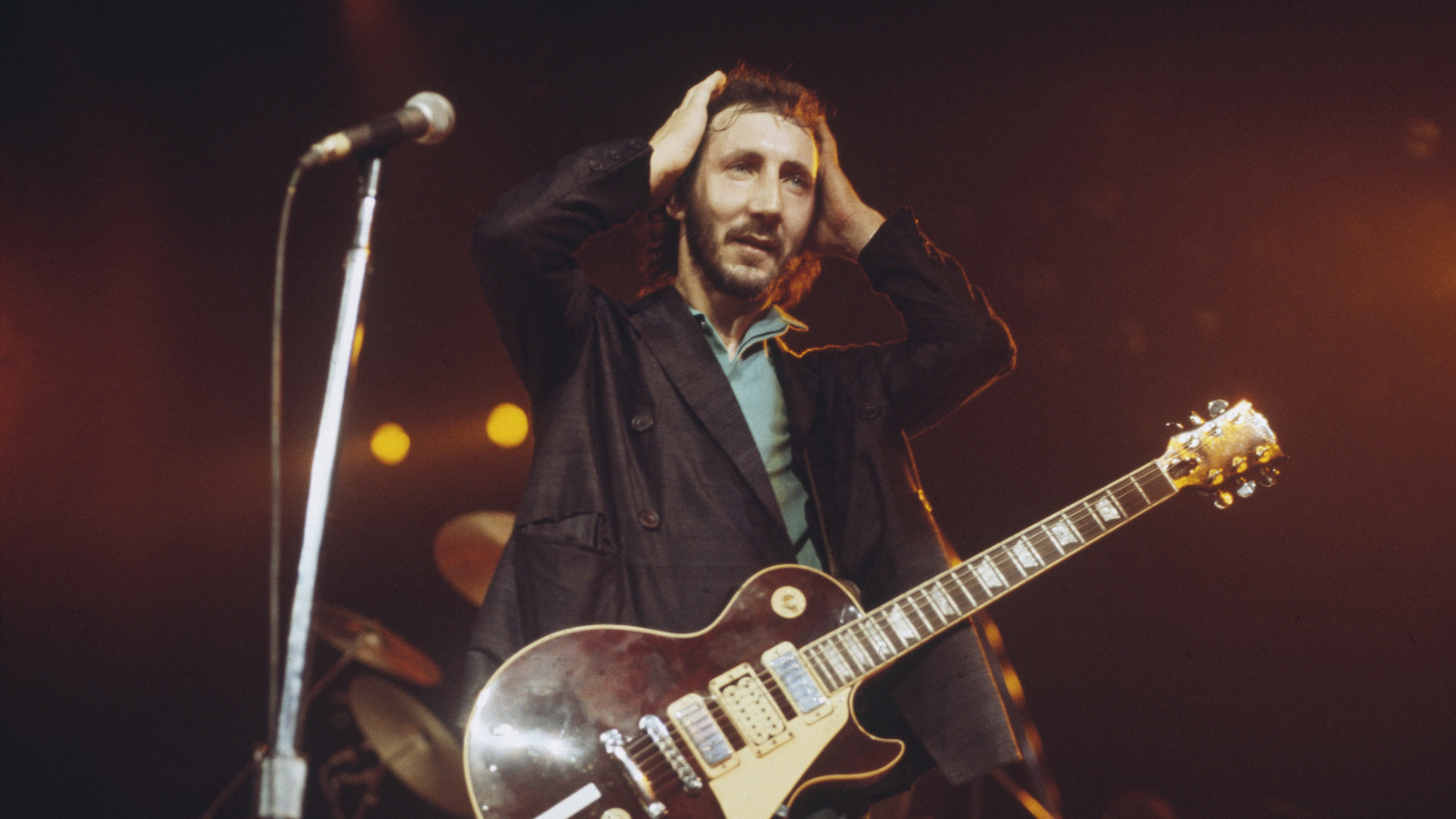
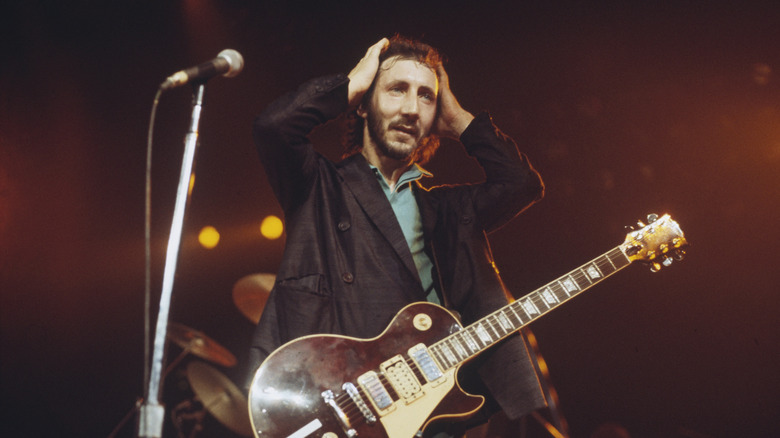
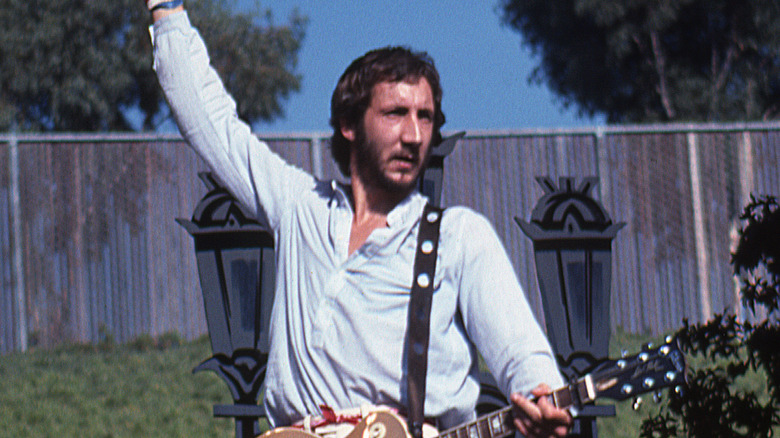
In 2003, the FBI-led international sting Operation Ore led to the arrest of 1,600 people in the U.K. on charges of possessing obscene media depicting children. Among them was Pete Townshend, The Who’s lead guitarist as well as primary songwriter, who composed everything from concept albums like “Quadrophenia,” experimental works like “Baba O’Riley,” and crowd-pleasing hits like “Won’t Get Fooled Again.” This legal incident instantly brought notoriety to Townshend’s name, which he’d struggle to shed as details of the case came into focus.
Townshend sort of admitted to the crimes of which he was accused, but with a caveat. In 1999, the musician told authorities that he’d used a credit card to pay to view a website that housed the illegal and profane materials, believing that seeing the imagery would bring up memories of similar abuse he’d suffered as a child and repressed. Following an investigation, during which Townshend said he hadn’t actually looked at any of the photos, the charges were dropped, although the guitarist was placed on a national sex offender registry for five years.
If you or someone you know may be the victim of child abuse, please contact the Childhelp National Child Abuse Hotline at 1-800-4-A-Child (1-800-422-4453) or contact their live chat services.