The WNBA is at a crossroads.
The deadline for the league and its players to come to a resolution on a new collective bargaining agreement passed this weekend, and there does not seem to be any immediate momentum toward a deal. The possibility of a lockout or strike that would jeopardize the momentum the WNBA has earned in recent seasons is real.
Meanwhile, Unrivaled just started its second season in Miami. The three-on-three basketball league founded by WNBA stars Breanna Stewart and Napheesa Collier airs games on TNT and will travel to Philadelphia later in the month. Some have positioned the league as legitimate alternative for WNBA players, in addition to the recently launched Project B.
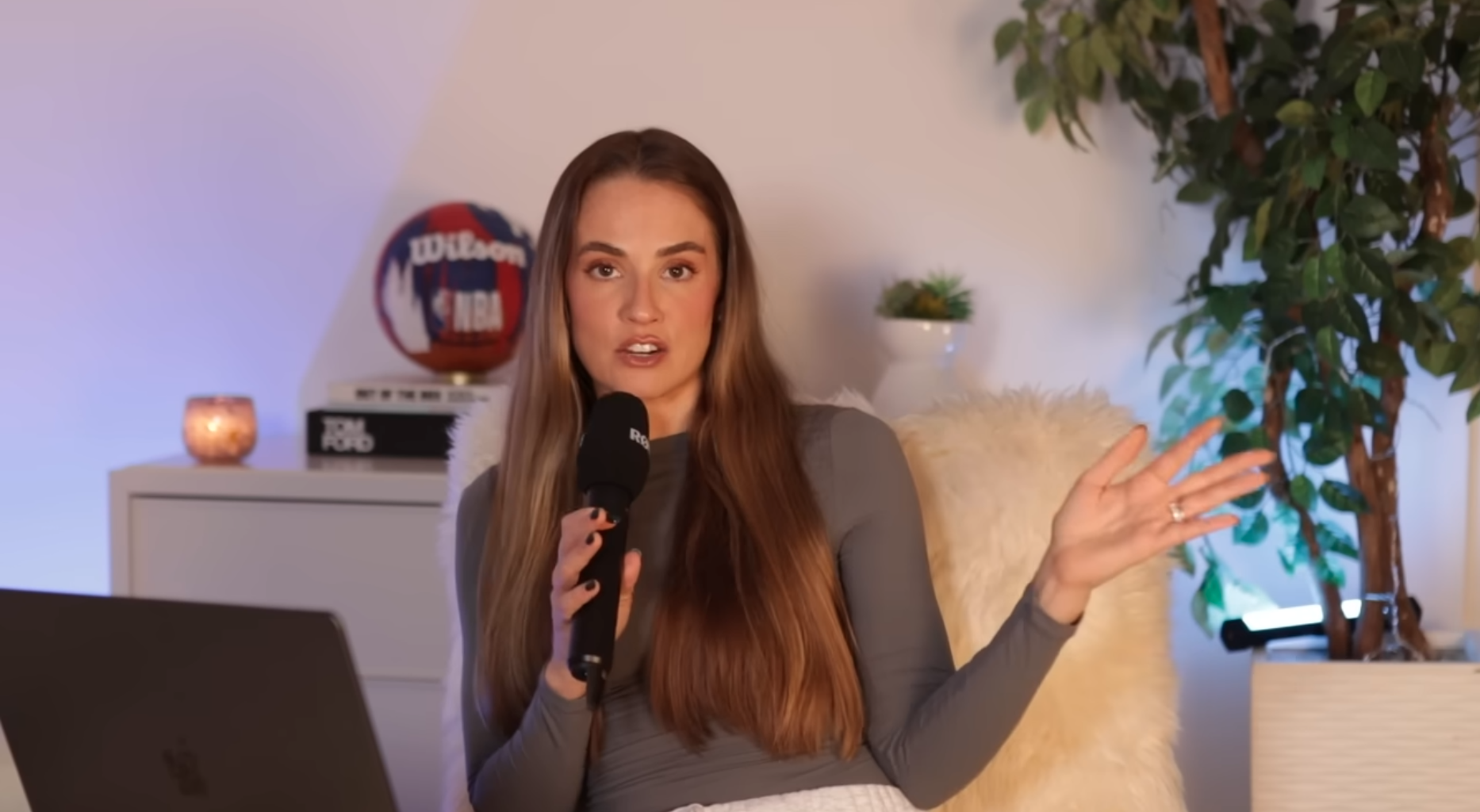
But given the stakes of the moment for the sport and Collier’s recent comments calling Unrivaled a “sustainable business,” online commentator Rachel DeMita believes it is time for media covering women’s basketball to meet the moment.
“If the WNBA doesn’t have a season, people are not going to be running to go watch Unrivaled, running to go watch Project B,” DeMita said in a recent video posted to her popular YouTube channel. “We have to start living in reality. We have to start honestly reporting on women’s basketball.”
The glazing in women’s basketball needs to stop pic.twitter.com/ClWNzhZ5Ge
— Courtside Club (@CourtsideClub_) January 10, 2026
DeMita believes the unvarnished, positive commentary delivered by WNBA media creates a false perception among fans about the situation the players are facing. The depiction of Unrivaled as a success, DeMita said, is just the latest example.
“It was created so that players wouldn’t have to go and play overseas in the offseason. It wasn’t created to get this massive television viewership,” DeMita said, saying Collier’s description of the league as “sustainable” were unfounded. “The ratings for Unrivaled, the sustainability for Unrivaled, is the thing that can be questioned.”
DeMita pointed to the minimal buzz and marketing power around season two of Unrivaled as examples, and added that the three-on-three game is less broadly appealing than high-level, traditional basketball.
The Athletic reported that the opening doubleheader of the 2026 season was down from an average of 208,000 viewers to 175,000 this year, a 16 percent decrease. Once again this season, neither of Caitlin Clark or A’ja Wilson, the two biggest stars in the WNBA, are participating. Collier is out rehabbing an injury.
Beyond Unrivaled, DeMita (who makes no secret of her support for Clark) explained that being truthful about what the players are up against will, in the long run, serve fans and players better than defaulting to praise.
“We have to get to a step in women’s basketball media where we’re not just literally glazing every player,” DeMita said. “We can’t just sit up there and talk about basketball, and say, ‘They’re great, they’re great, they’re great, they’re great.’ We need to be able to be realistic and honest about the reporting, because you do more harm than good when you’re constantly trying to spin a narrative.”
Outlets such as The Athletic and ESPN have provided tireless reporting of the WNBA’s labor dispute, while DeMita offered TNT and Prime Video analyst Candace Parker as an example of someone who honestly analyzes players. However, the economics of covering the still-growing league mean that many of the top commentators around the WNBA are independent or came to their roles as fans.
With some national analysts claiming the league is in genuine peril, DeMita wants more from everyone covering it to deliver more reasonable perspectives.