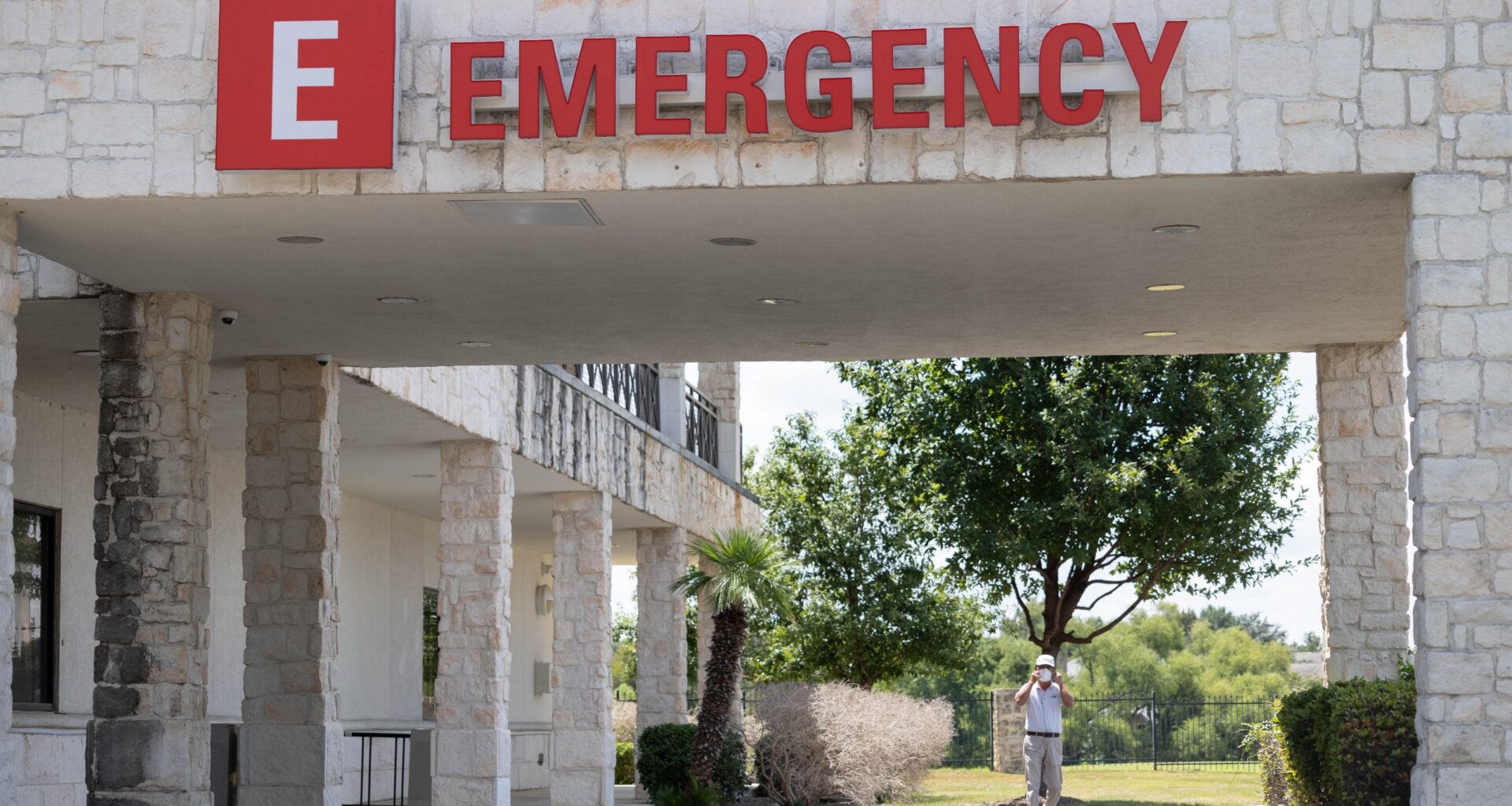
Flu cases in Bexar County have skyrocketed since the beginning of December, with visits to emergency rooms due to influenza already surpassing last season’s peak, according to data from the San Antonio Metropolitan Health District.
On Dec. 27, nearly 11% of local emergency room visits were flu-related, higher than the 9% peak in late January during the 2024-2025 flu season, which was one of the worst the U.S. had seen in a decade.
Flu cases tend to peak later in January and February. The percentage of positive flu tests in Bexar County was around 35% on Dec. 27.
During the last flu season, positivity rates peaked to 45% in early February and then decreased rapidly into March.
Nationally, the U.S. Centers for Disease Control and Prevention recorded a 32% flu positivity rate during the week that ended Dec. 27. And 8.2% of all visits to health care providers were for respiratory illness over the same period, the highest rate recorded since the agency started tracking the data in 1997.
So far, there have been over 120,000 influenza-related hospitalizations and 5,000 deaths, including nine children, according to preliminary data from the federal agency.
The boom in flu cases across the U.S. is driven by subclade k, a variant of the H3N2 virus (influenza A) which emerged late in the summer after vaccine manufacturers had already started rolling out this year’s flu shot.
Health officials are still urging folks to get vaccinated, since subclade k isn’t the only variant surging and because the shot will still reduce a person’s likelihood of severe illness if they do get the flu.
Metro Health Medical Director Dr. Junda Woo told the San Antonio Report in early December she was concerned this season could be worse than the last, given low vaccination rates and the subclade k variant.
The city department advises residents to get vaccinated if they haven’t already, practice good hygiene, cover coughs and sneezes and stay home when sick.
“These steps helps protect individuals, reduce the spread of illness in our community, and lessen the overall strain on our public health and healthcare systems,” the department said in a statement. “Anyone experiencing flu-like symptoms — especially children, older adults, pregnant individuals, or those with underlying health conditions — should seek medical care early to reduce the risk of severe illness and complications.”