Plano is having a moment. The news that AT&T is leaving downtown Dallas for the aging northern burb is a big boost to a city that already has a reputation for landing big corporate campuses.
But Plano also has a problem, one that is bedeviling many inner-ring suburbs and that threatens prosperity across the region. There aren’t enough people moving in.
The trouble for Plano is becoming more urgent. Just last September, the City Council raised property taxes for the first time in 16 years, a necessary response to a lack of growth while infrastructure is aging.
Given that reality, we are puzzled by recent community feedback on what to do with the land of three shuttered Plano ISD campuses. See, Plano is closing schools because there aren’t enough kids to fill them. It’s a painful glimpse at our future.
Opinion
An overwhelming majority of residents told city leaders they want parks and green space. Residents mostly rejected housing options.
Parks are nice to have, but for a city dealing with demographic challenges, any opportunity to increase housing stock, even if it’s small, should be on the table.
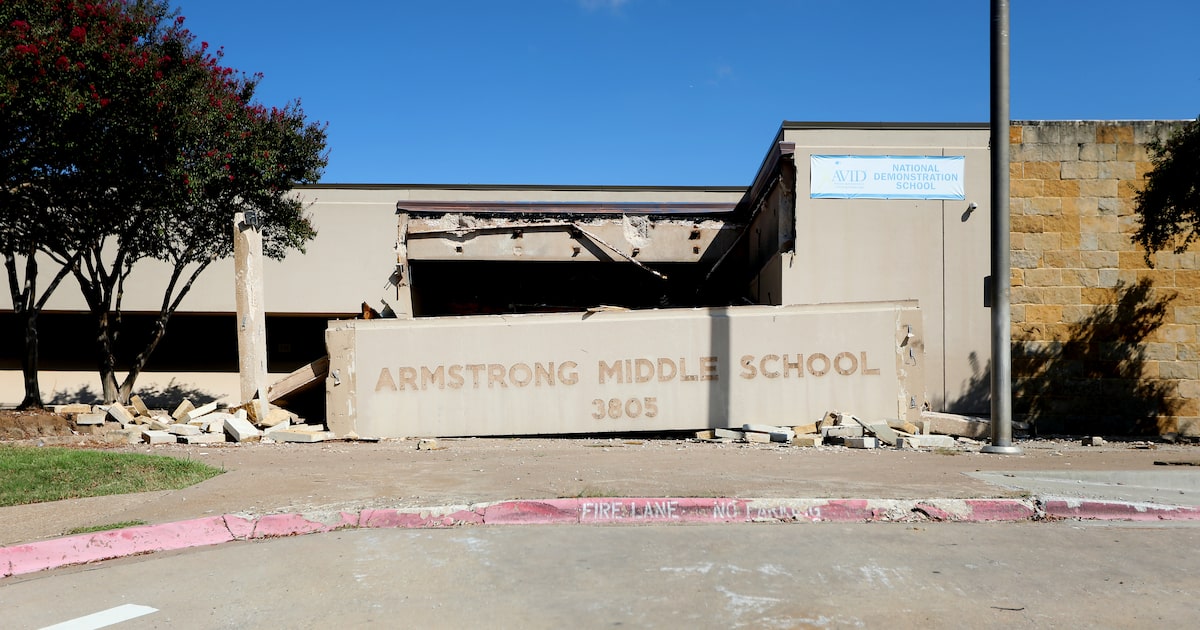
In 2024, Plano ISD closed four campuses due to declining enrollment. Three of these, Davis Elementary, Forman Elementary and Armstrong Middle School, are being purchased by the city. The Forman property will be used to relocate a fire station, but the city has yet to decide what to do with the others.
A total of 282 residents attended the Davis Elementary community sessions and a vast majority, about 85%, requested an expansion of Caddo Park, according to a staff report. Only 3% were open to housing. Residents were also asked about potential residential development, and the opposition to duplexes, townhomes and patio homes was almost universal. Even single-family detached homes were rejected by 85% of those attending these meetings.
City staff reported similar feedback from the 72 residents who attended the Armstrong Middle and Forman Elementary sessions, which are located nearby.
Not even considering single-family detached homes, which were and remain the backbone of Plano, is baffling. The responses reflected a community still grieving the loss of the school space, but the irony is that not having enough families is what led to the school closures.
Low enrollment rates are part of a demographic shift nationwide, and cities need to find ways to manage this change. Plano already has the second-highest median age in Collin County, about 17% of its population is over 65, which makes those residents eligible for a property tax freeze.
Plano is also one of the North Texas cities that has made some changes to their building codes that could make it more difficult to build apartments under a new state law intended to promote more residential development.
If Plano wants to increase its tax base, it has to rethink its policies. Elected leaders should listen to their residents; it’s their duty. But so is making the right decisions to ensure the city’s future.