In my twenties I was a sunbed addict. Two or three times a week I’d hit The Tanning Shop on my lunch break, strip off and step into the standing booth for a blast of heat and light (and a banging EDM soundtrack). I knew it was bad for my skin but I couldn’t break the habit. For me, it wasn’t just about the tan. I’d slope in feeling tired and miserable, and emerge happy and energised. A colleague once asked if I was worried about cancer (melanoma rates have increased by 147 per cent in the UK since the early 1990s). My reply: “I don’t care, if it comes with a tan.”
Now in my forties, having been through chemotherapy for breast cancer, I’m about as likely to be facetious about cancer as I am to set foot inside a tanning booth again. But I have a new addiction. I’m booking regular sessions in a booth that helps me feel energised and makes my skin glow. I’m talking about hyperbaric oxygen therapy (HBOT).
Gaining notoriety in the 1980s after Michael Jackson used it to treat burns from pyrotechnics on the set of a Pepsi commercial, HBOT was once considered something of an offbeat affectation. But last year the influential biohacker Bryan Johnson called it “the most efficacious whole body rejuvenation therapy I’ve ever done”, after his self-experiment showed reduced inflammation and improved microbiome and skin health.
• Read more from Rosamund Dean
While there are no official stats, UK estimates suggest the number of HBOT “chambers” has doubled over the past decade and will continue to grow. The surge in popularity is partly down to celebrity endorsements on social media, from Justin Bieber to Kendall Jenner. But in 2026 HBOT is not just for pop stars and tech bros; chambers are popping up in salons, spas and gyms from Aberdeen to Southampton. Groupon huns are even getting discounts on HBOT alongside their spa days and afternoon teas.
So how does it work? You sit in a pressurised chamber that may also have higher levels of oxygen than normal — both of which help the body to absorb more oxygen and deliver it to tissues. Jane Beaman, cofounder of Sciene wellness clinic in north London, says: “It can help to clear old, damaged cells and boost immunity, while promoting healing.” She refutes the idea that HBOT is just for longevity fanatics. “It’s not about living for ever, it’s about living better and feeling good for longer.”
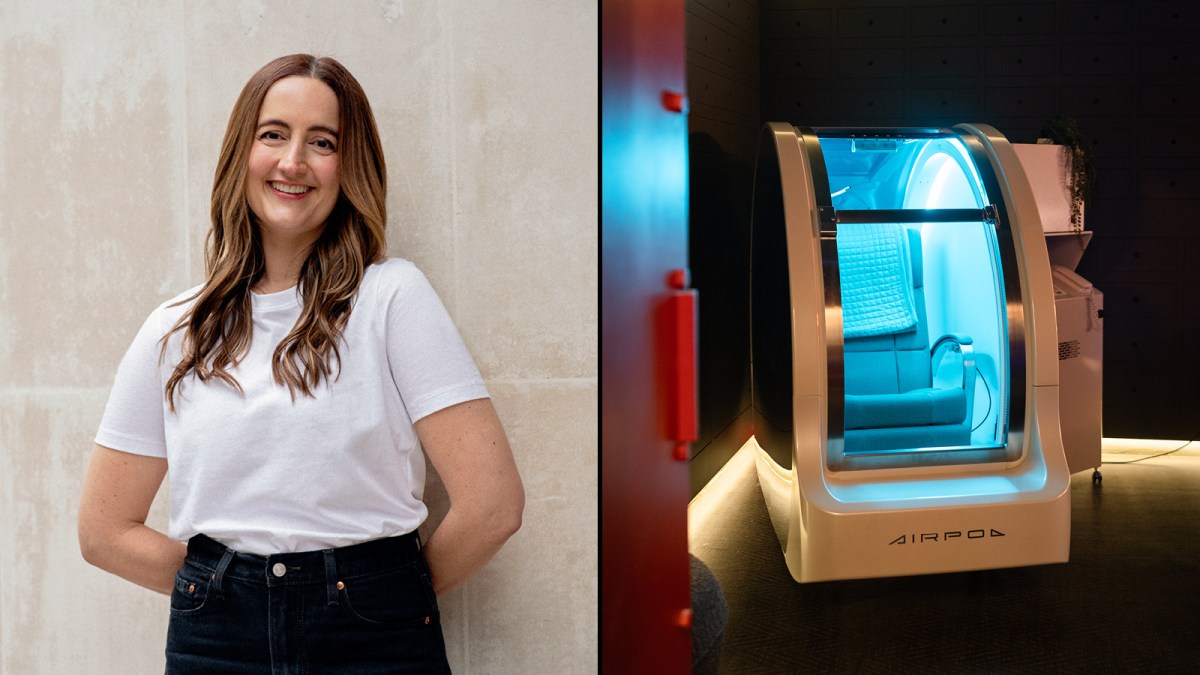
Not all hyperbaric oxygen chambers are created equal, though. The soft-shell ones are like a large bag into which you are zipped (yes, similar to a body bag — not for the claustrophobic). They are porous, so you wear an oxygen mask. The hard-shell ones feel a bit less CSI. You step into a rigid booth that seals shut, no mask required. Beaman’s clinic has a Japanese AirPod chamber, and clients have included those who are post-surgery and a motocross rider with a shoulder injury. “It also stimulates collagen production,” she says, “which is obviously great for your skin.”
• IV drips and hyperbaric chambers help Soho House tap wellness boom
For those who are not recovering from surgery or an injury, the benefits go far beyond aesthetics. You may have heard of mitochondria, sometimes described as the “battery” of your cells — think of HBOT as the charger. Giving your cells more energy and improving their functionality supports your entire body. There are reported benefits for brain health, with some saying it works wonders for anxiety, brain fog and even long Covid — though the science behind this is, as they say in the wellness game, “emerging” (ie, not yet proven). The evidence is strongest for its healing and anti-inflammatory properties, and HBOT is used by the NHS to treat decompression sickness, carbon monoxide poisoning and severe soft tissue infections. However, funding cuts mean NHS access has reduced, while access in private clinics, gyms and spas has risen.
At Sciene you can book 30, 60 or 90-minute sessions in the AirPod, and either use the time productively (yes, you can take your laptop in) or recline on the chair for a nap. Important to know: the AirPod uses atmospheric oxygen not pure oxygen. With high oxygen chambers electrical devices are banned as the smallest spark could cause a fire, and there have been some tragic incidents in America where improper use has led to death.
• Dylan Hartley: I’m having hyperbaric therapy for my brain
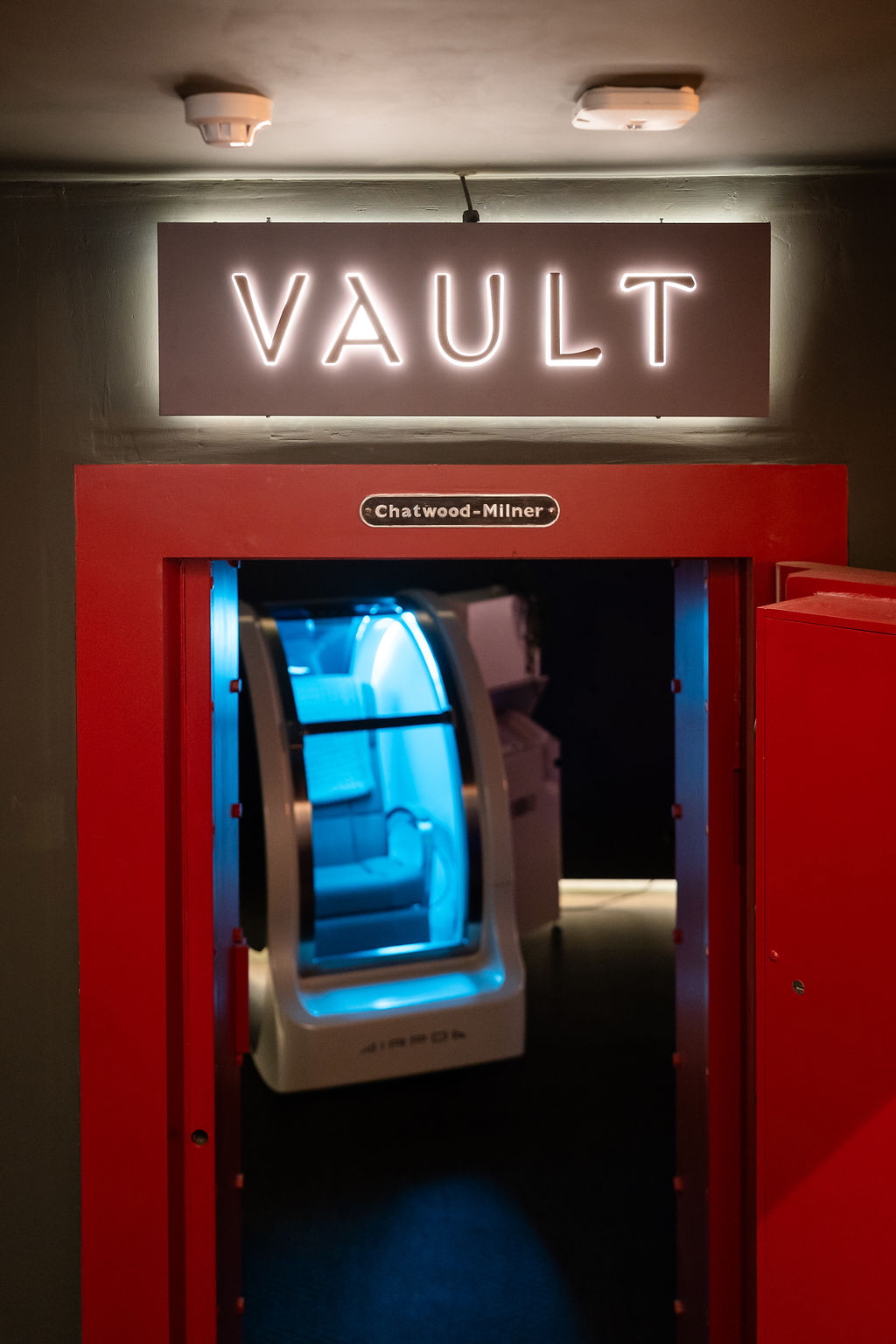
The pressure can be quite intense. It feels like being on a landing aeroplane and you may have to regulate your ears. A reputable provider will turn you away if you have an ear infection or blocked sinuses.
At the moment, depending on location and the type of chamber (soft shells are cheaper), expect to pay between £40 and £120 an hour (Sciene offers five 30-minute sessions for £260, sciene.co.uk). “It’s not cheap,” Beaman says. “But as accessibility improves, which it is and fast, the price will drop.”
Just as with my cherished sunbeds, I can pop in on my lunch break, although consistency is key. So while my bank balance doesn’t stretch to hitting the hyperbaric oxygen chamber quite as often as I used to hit the sunbed, instead of paying to accelerate ageing in the name of a glow, now I pay to reverse it in the name of longevity (and also a glow). I still emerge flushed, slightly light-headed and convinced my life has improved in under an hour — only now it actually might have.