
Listen to this article
Estimated 5 minutes
The audio version of this article is generated by AI-based technology. Mispronunciations can occur. We are working with our partners to continually review and improve the results.
An impaired driving trial against Orléans East-Cumberland Coun. Matthew Luloff is scheduled to begin Monday after a provincial court judge dismissed his bid to have the matter stayed or withdrawn because of delays.
The councillor — whose last name is misspelled Lulloff in court records — was arrested July 6, 2024, and charged three days later with operating a vehicle while impaired and having a blood alcohol level above the legal limit within two hours of ceasing to drive.
The following day, July 10, Luloff resigned his candidacy to represent Orléans as an MP for the Conservative Party of Canada, citing a “personal matter.” The charges against Luloff became public a couple of weeks later.
Following Ontario Court Justice Mike Boyce’s decision Tuesday morning, Luloff told CBC outside the courthouse that he had no comment.
His lawyer, Lawrence Greenspon, said he and his client are “disappointed…. But we’re ready to proceed next week, and that’s what we’ll do.”
The allegations against Luloff have not been proven.
 Luloff’s defence lawyer Lawrence Greenspon asked the court to have the charges withdrawn or stayed because they took too long to get to trial, a motion known as a Jordan or 11(b) application. (Giacomo Panico/CBC)Adjourned due to lack of resources
Luloff’s trial was scheduled to run from Oct. 27-31, but when he and Greenspon showed up to the courthouse the first day they discovered their matter was third in line to be heard in their courtroom. They continued to attend court daily but no space was available, so the trial was adjourned to next week. A Jordan or 11(b) application was heard Dec. 19.
On Tuesday, Boyce ruled that some of the delay in getting to trial was the fault of the defence, bringing the total delay under the 18-month deadline and in line with the rules.
Every day in Ottawa’s provincial courtrooms on Elgin Street, anywhere from two to four trials are scheduled to be heard in a practice known as stacking, which has been happening for years due to an insufficient number of courtrooms, as well as judges to preside over them.
It’s a resource issue, and the government is not responding.- Ewan Lyttle, defence counsel association president
In an effort to better manage the overflow caseload, Ottawa’s judiciary instituted what’s known as “reservoir court” or the “reservoir list” this past fall.
All the trials that aren’t in the priority spot to be heard in any given courtroom on any given day convene in reservoir court in the afternoon, where the Crown and trial co-ordinators try to figure out what the priority cases are and where they could possibly move if resources happen to free up. They can also adjourn the trials to future dates.
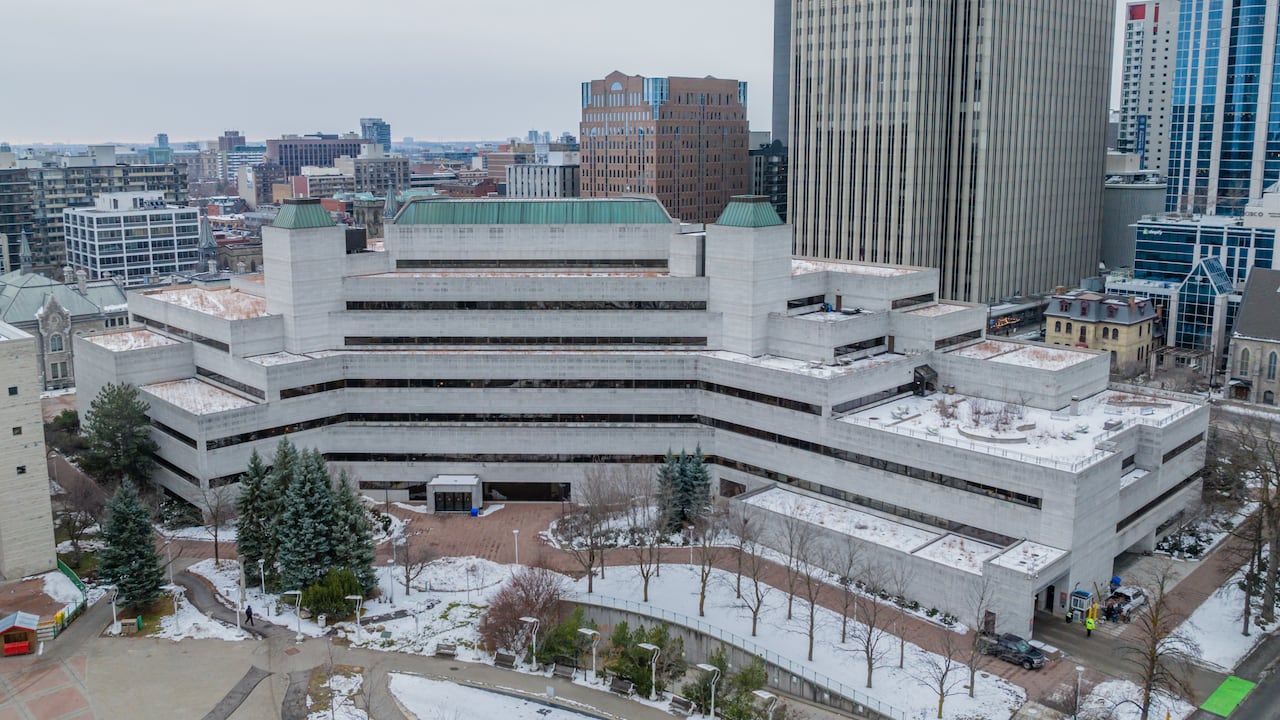 Every day in Ottawa’s provincial courtrooms, anywhere from two to four trials are scheduled to take place. An initiative known as reservoir court, instituted this past autumn, aims to better manage heavy caseloads. (Michel Aspirot/CBC)
Greenspon said it hasn’t improved much.
“Despite their best efforts, there’s still a continuing lack of judicial resources and courtrooms, and the result is that counsel and … clients are sitting in court day after day after day and not being reached. And that’s the essential problem that caused us to bring this application,” he told CBC.
Ewan Lyttle, head of the Defence Counsel Association of Ottawa, told CBC on Monday that the number of courtrooms and judges in the capital hasn’t changed for the past 20 years, despite a growing population, an increasing number of Crown attorneys and police officers, and more societal and political pressure to combat crime.
“It’s a resource issue, and the government is not responding. And so the only alternative left is for trial co-ordination to schedule multiple trials to proceed on the same day, and obviously that can’t happen. So you hope that some of those trials resolve and some of them do, and that’s the way the system stays afloat,” Lyttle said.
‘Backed up against a wall’
“But my experience in the last few years is that trials are resolving less and less and we’re not getting the same resolution positions we used to as often. So you have trials that have to get rescheduled and then you’re also up against the Supreme Court of Canada’s direction on how long it takes or should take for trials. And so you’re backed up against a wall,” he said.
“At least we all get together and talk about it transparently each day [in reservoir court]. So there’s a little more transparency, there’s a little more information flowing. And so that helps.”
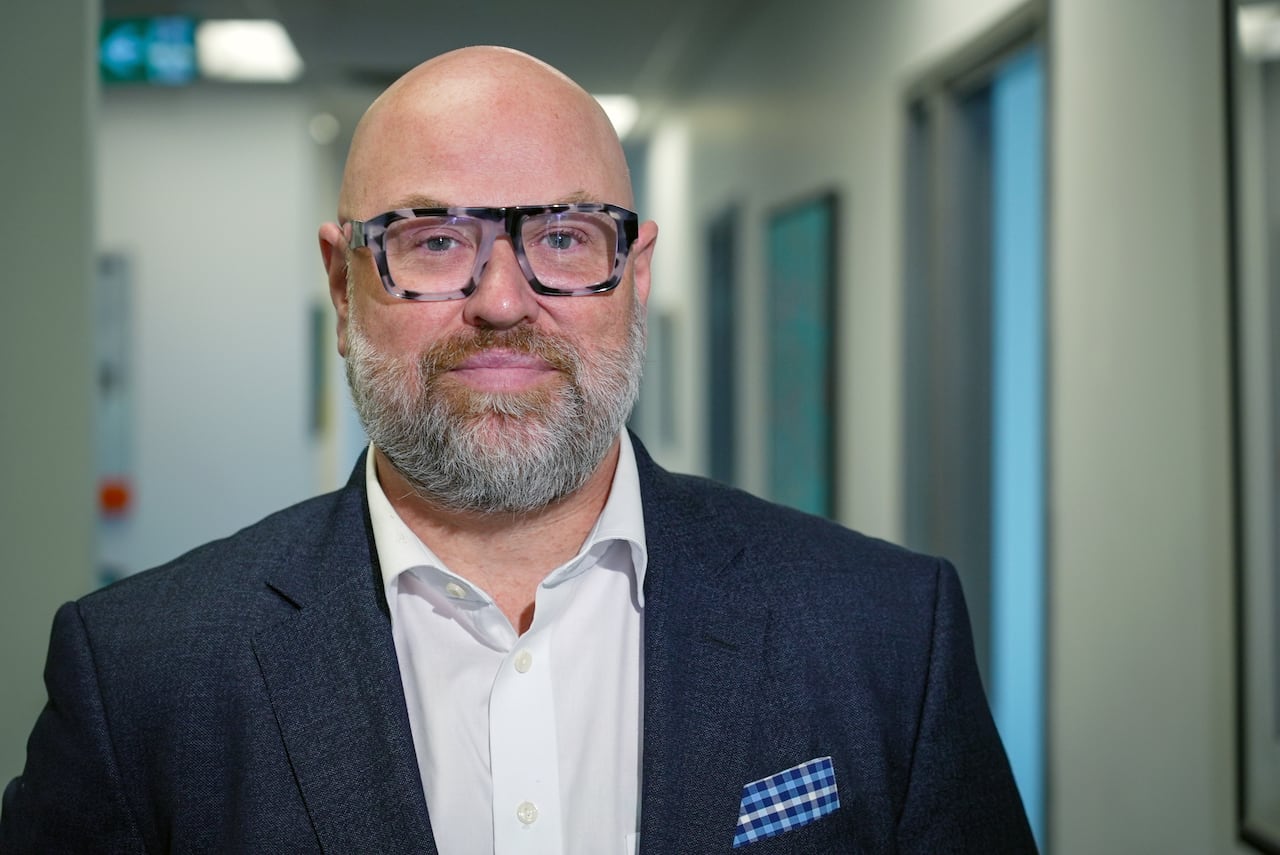 Ewan Lyttle, who leads an association of Ottawa defence counsel and represents its interests to the judiciary, said preliminary discussions are underway to potentially bring a courthouse hub, like those in Toronto and London, Ont., to the capital. (Mathieu Deroy/CBC)
Lyttle said that preliminary talks began a few months ago about an Ottawa pilot project to create a community courthouse hub, like those that have opened Toronto and London, Ont.
But he added it would be “years away.”
“It’s a building that seeks to bring all the stakeholders and community resources together. So, for example, social services, Indigenous resources, things like that, all in the same building…. But again, it obviously takes a lot of time to put something like that together,” he said.
“Right now we’re in the ideas and feasibility phase.”
The Ministry of the Attorney General, which runs Ontario’s justice system, did not answer questions or provide statistics about reservoir court.
“The scheduling of judicial resources and court sittings is a matter of judicial independence and therefore at the discretion of the judiciary,” a spokesperson wrote in an email.