Would you spend $799 on a pair of smart glasses that record your every moment and recommend how to live a better life?
That’s what Pickle, a Bay Area startup, promised in a sleek demo video that went viral this month.
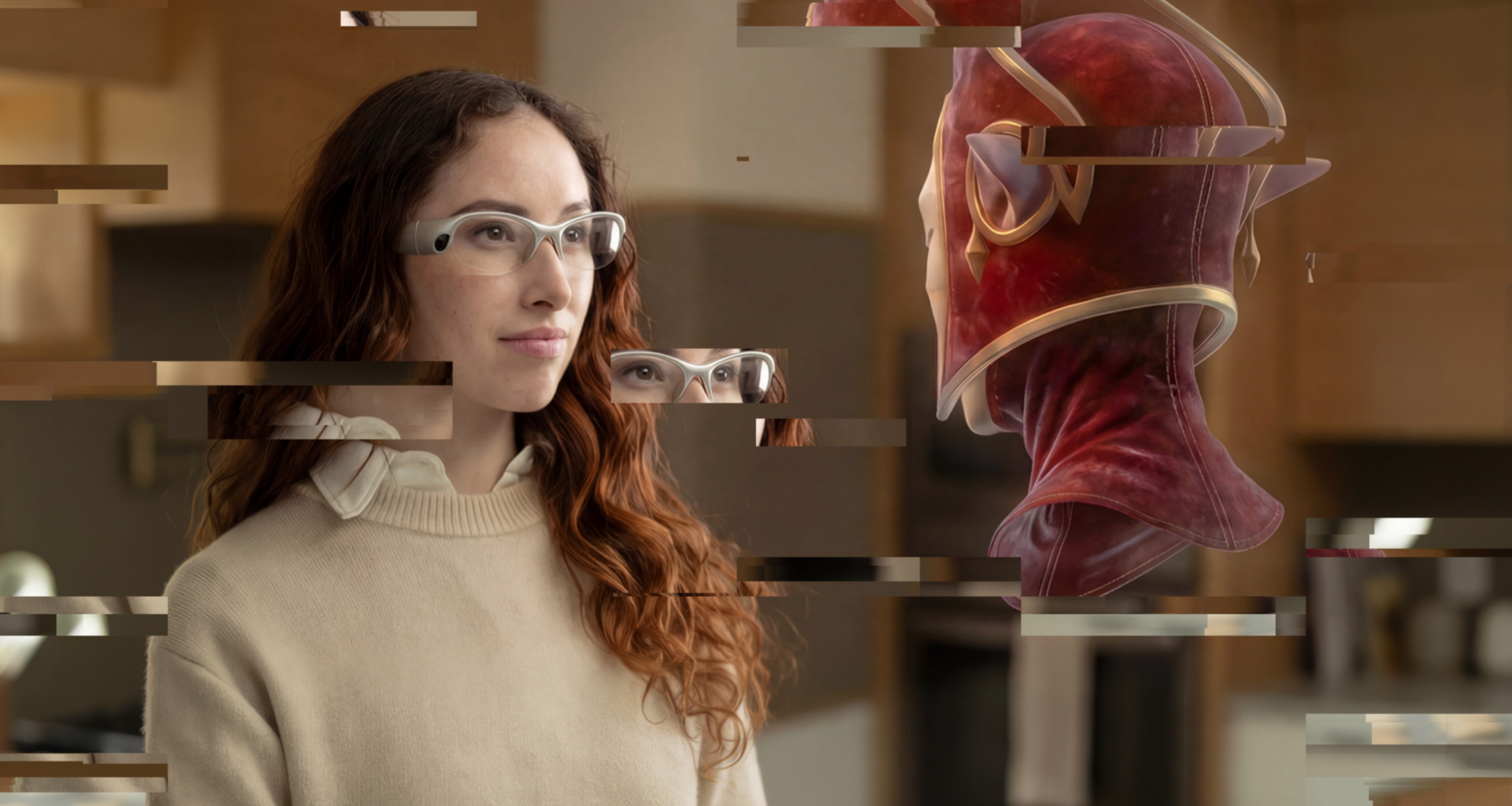
The pitch was that Pickle’s AI glasses could operate as a “soul computer,” filming your day-to-day life and, over time, become an extension of your mind. Say you’re a novelist: An animated cartoon on a screen inside the lens might suggest endings to your book as you type. Or if you’re trying to eat better, the glasses could recommend foods while you’re at the grocery store.
The company, which was founded in 2024, promised to have all this and more in your hands by the summer of 2026. But some observers think it’s too good to be true. Matthew Dowd, founder of virtual reality company Wild, wrote (opens in new tab) on X that he believes Pickle “is fraudulently representing their product.” He says the Pickle glasses are basically vaporware — a hyped product that does not yet (and may never) exist.
Pickle is part of Y Combinator’s winter 2025 cohort. CEO Daniel Park and his team “live together & work 24/7 in Hillsborough,” according to the YC website (opens in new tab). The company has gone through several pivots in its short life; in the last year, Pickle offered AI body doubles f (opens in new tab)or Zoom meetings and an AI desktop assistant (opens in new tab) before landing on hardware.
Last summer, the company raised a $4.42 million seed round, according to PitchBook, a relatively small amount for developing hardware, which requires extensive capital for prototyping and product development.
The company’s video makes promises that surpass even what better-capitalized and more established competitors could achieve. For example, Pickle promises a 12-hour battery life, while the Meta Ray-Ban Display glasses advertise a 6-hour battery life (opens in new tab) with similar use.
Dowd says it’s not impossible for glasses to have such a robust battery life, “but could a startup that’s raised under $10m, was founded 19 months ago, has no relevant experience, and is also claiming to have all-day standalone battery life with advanced computing features do it?” he wrote. “I have my doubts.”
Others questioned that the demo was real, given how polished the cartoon’s graphic quality appeared. One commenter suggested that the clip looked like it had been edited with After Effects. (opens in new tab)
Tech blogger Robert Scoble — who infamously shared a selfie (opens in new tab) in which he takes a shower wearing Google Glass — agreed with Dowd’s assessment. “There are glasses that are close in form factor, but I don’t see how [Park] can make a profitable pair of glasses like that,” he wrote on X. (opens in new tab)
Park did not respond to a request for comment, but he did respond to the critiques at length in an X post. (opens in new tab) “I left the path of becoming a doctor in Korea and moved to the Bay Area for one reason: to build a historic tech company,” he wrote. “I’m not here to chase small money or run a scam.”
Pickle’s glasses are just the latest example of AI-powered hardware making a splash with slick, inspirational promo videos. But bigger, better-funded companies have stumbled after releasing flashy sizzle reels.
In 2023, Humane AI raised more than $230 million before releasing its AI pin. When the gizmo arrived, poor reviews poured in. Humane AI was sold to HP for $116 million in February. Then there was Friend, an AI-powered necklace company that plastered New York City (opens in new tab) with ads promising a product that “listens, responds, and supports you.” One reviewer called the necklace’s (opens in new tab) AI so glitchy and annoying that it was like “wearing your senile, anxious grandmother around your neck.” The company is still around but had reportedly sold (opens in new tab) only 3,500 units as of November.
Park in his X post pushed back on doubts about the Pickle glasses’ purported 12-hour battery life, saying that since they are meant to be used as a phone accessory, they offload some of the computing power to the phone.
But he conceded that some of the criticisms are legitimate. The “live demo” video, he said, was CGI, and the glasses shown were “design mockups.” He said film of what can actually be seen inside the lens would have failed “to capture the real experience due to reflections and optical artifacts.”
Fledgling founders are in a tough bind. To compete with industry juggernauts like Meta or Snap, a startup must take big risks — such as aiming to ship complicated hardware less than two years after founding.
“That is part of why we started Batch 1 pre-orders at $799 with fully refundable, far below the intended $1,300 price, for a small group of early believers, even before we could fully share all specs publicly,” Park wrote.
Dowd proposed a bet. “If Pickle ships their product as described and shown by the end of Q2 2026,” he wrote on X (opens in new tab), “I will personally pay Pickle CEO Daniel Park the full amount of revenue they made through pre-orders.” He suggested that if the company doesn’t deliver, Dowd pay him the revenue from the pre-orders.
Park appeared to accept (opens in new tab) the bet before blocking Dowd.