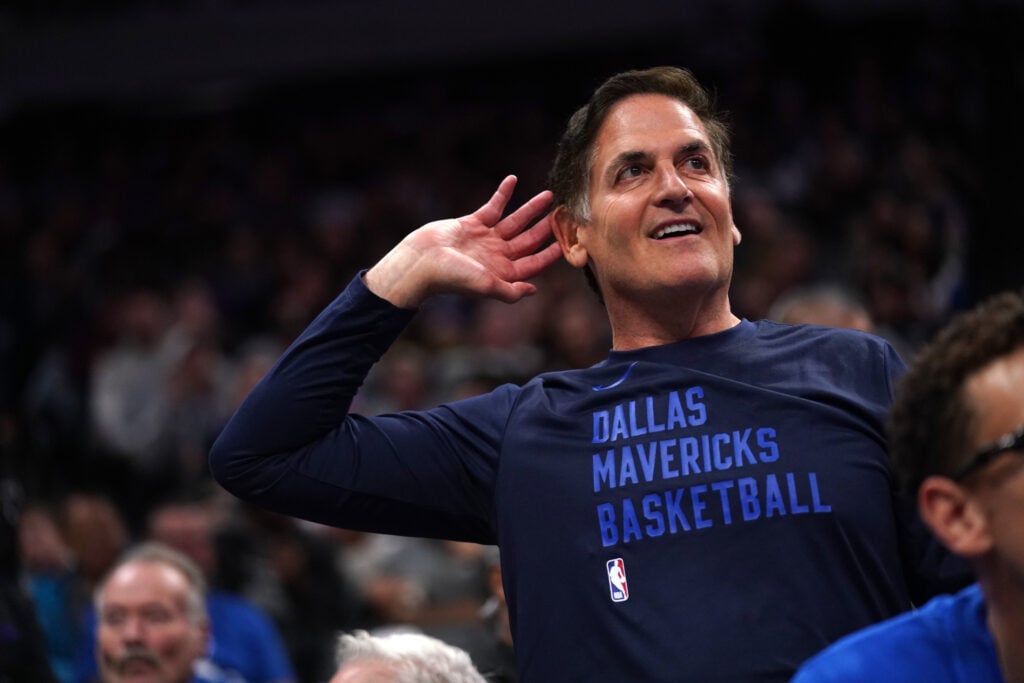
Mark Cuban is no stranger to tough beginnings. In a recent exchange on Bluesky, the billionaire entrepreneur reminded followers that his path to wealth wasn’t paved with ideal conditions.
“When I graduated from college the unemployment rate in the state was 20pct and interest rates were 15pct,” he wrote. “I slept on the floor for almost 2 years.”
The conversation kicked off when a user challenged Cuban’s claim that he could still build wealth today by starting small. Cuban had said he’d go into small business and AI agents, and could still make millions, not billions, if he were starting now at age 25.
Don’t Miss:
Another user pushed back, saying he underestimated how much easier it was to rise economically in the past. “You don’t even seem to comprehend how much luck was necessary for you to succeed then,” they wrote, “much less how stacked the deck is now for class mobility in the U.S.”
Cuban countered with his own version of reality, pointing to high interest rates, recession-level unemployment, and his own history of being broke, fired, and sleeping on floors.
His message echoed advice he’s given before. In a 2019 Bold TV interview, Cuban said, “You don’t have to have all the answers. You don’t have to have your chosen career. Just, you know, get a job. Just do something.”
Trending: GM-Backed EnergyX Is Solving the Lithium Supply Crisis — Invest Before They Scale Global Production
After graduating from Indiana University, Cuban worked as a bartender at night and sold software by day. He got fired, but used that moment to start his own company, MicroSolutions. He eventually sold it for $6 million. “I was pissant broke, slept on the floor, got fired, was a shitty employee,” he told Bold TV. “Started the company, starved for a while, grinded it out.”
Cuban’s story might sound unique, but the larger message is simple: don’t wait to have everything figured out. Work, learn, and adjust.
In a time when traditional wealth-building paths feel out of reach for many, platforms like Fundrise are helping open up access to private markets that used to be reserved for the ultra-wealthy. With a $10 minimum, the company offers exposure to venture capital-backed companies that often stay private for years.
“You can have your ups and downs,” Cuban said, “but just grind it out, and typically, good things happen.”