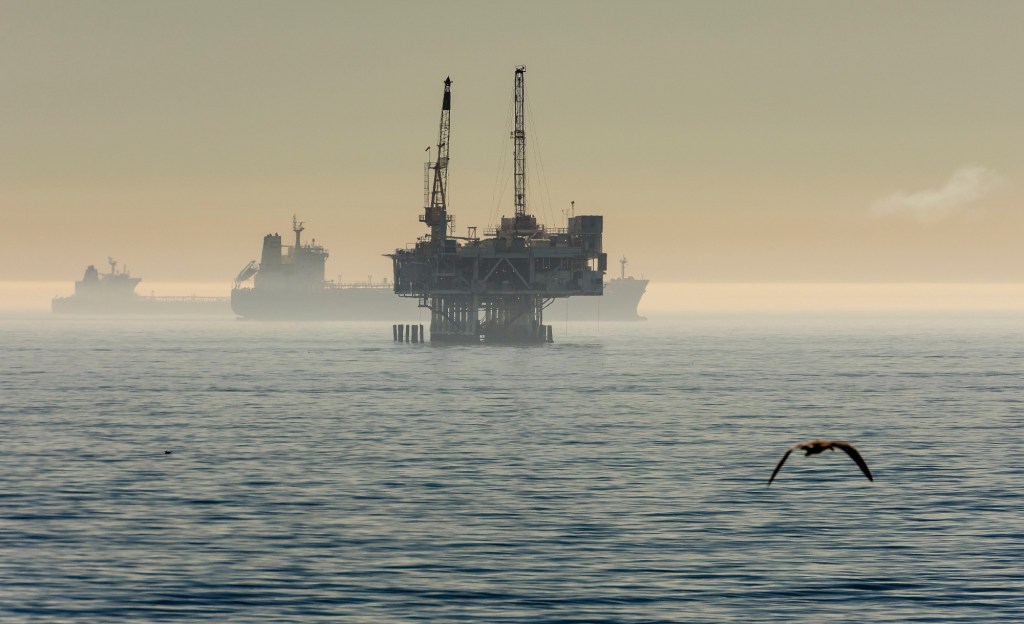
The current U.S. administration would have you believe that the ocean, its wildlife and the seabed below the surface belong to them. That the government can do with it what it chooses.
But don’t be fooled. It’s ours. The government holds these resources in the public trust for us. And ultimately, it must protect the ocean for public use by current and future generations.
That means that when the Bureau of Ocean Energy Management wants to open more than 85% of the available outer continental shelf to new offshore oil and gas drilling — like it is proposing now — we have a say. There are laws on the books that require agencies to give us notice when they want to take an action like this. They need to give us an opportunity to comment, and they need to respond to each of the comments they receive before selling off our coastline to the highest bidder.
This isn’t the first time the Trump administration has tried to open most of the available 1.7 billion acres of the outer continental shelf to oil companies. In 2018, the Bureau of Ocean Energy Management tried to do the same thing and received more than 2 million comments from governors, local and state governments, tribes, fishermen, ocean lovers and members of the public. Most of these comments, regardless of political party, geography, education or background, opposed new drilling off places like the West Coast, Atlantic and Arctic. And those 2 million comments stopped the proposal in its tracks for the next eight years.
But today, the bureau is back again to propose opening vast areas of the outer continental shelf — 1.3 billion acres this time — to new drilling. And this proposal includes six new areas for leasing off Northern, Central and Southern California.
There are 30 active leases in federal waters off Southern California already, many of which were granted in the 1960s and 1970s, but a new offshore oil and gas lease hasn’t been approved in federal waters off our state’s coastline since 1984.
A lot has changed in 40 years, though. We have lived the consequences of drilling in our ocean. Just in the last 10 years, the Refugio and Huntington Beach oil spills have impacted local wildlife, shorelines and economies.
We feel the impacts of climate change in ways we didn’t in 1984. We see the king tides flood our streets and local businesses in Imperial Beach. And scientists study what marine heat waves do to our kelp forests.
The stakes are higher than ever today, but we know better now. In 40 years, we have recovered brown pelicans from the brink of extinction. We breathe cleaner air and safely swim and fish in more waterways. We know more about the ocean now than we did 40 years ago and we have new technology for renewable energy to power our cars, homes and lives. We can do better today than we did in 1984 and shouldn’t tie ourselves to decades of future oil spills and escalating climate change impacts.
It is our ocean. And this administration is legally required to consider our comments as they look after our public natural resources for future generations. The county and city of San Diego have already passed resolutions opposing new drilling in federal waters off California.
You have until Friday to use your voice, too. Go to regulations.gov/document/BOEM-2025-0483-0001 to weigh in.
Murray is an ocean law and policy professor at Scripps Institution of Oceanography at UC San Diego.