Philadelphia mental health advocates say now is the time to be vigilant about suicide risks, more so than over the winter holidays. They are working to bring attention to a common misconception about suicide, which is that the risk increases during the winter holidays.
Newer research shows that’s not true. Deaths actually drop during that period and rise in the warmer months of spring and summer.
Advocates say now that the holidays are over, people should be mindful of how friends, colleagues and loved ones could be struggling with isolation, depression and other stressors that can sometimes be warning signs for suicide.
“The holidays are sort of one of those things where people limp through the winter, maybe struggling,” said Amanda Blue, a mental health advocate. “Then you have that layered with things like seasonal affective disorder and other aspects of winter that make it harder for people – less socialization, communication, etc.”
More than 48,000 people in the United States have died by suicide each year since 2021, according to the Centers for Disease Control and Prevention. Fatality rates are highest among people 75 and older, men, and Native American and Alaska Native communities.
Blue teaches people about how to recognize suicide risk factors like depression, anxiety and other mental health conditions as the education director at Jefferson Health’s David Farber ASPIRE Center, which focuses on suicide prevention, intervention, research and education.
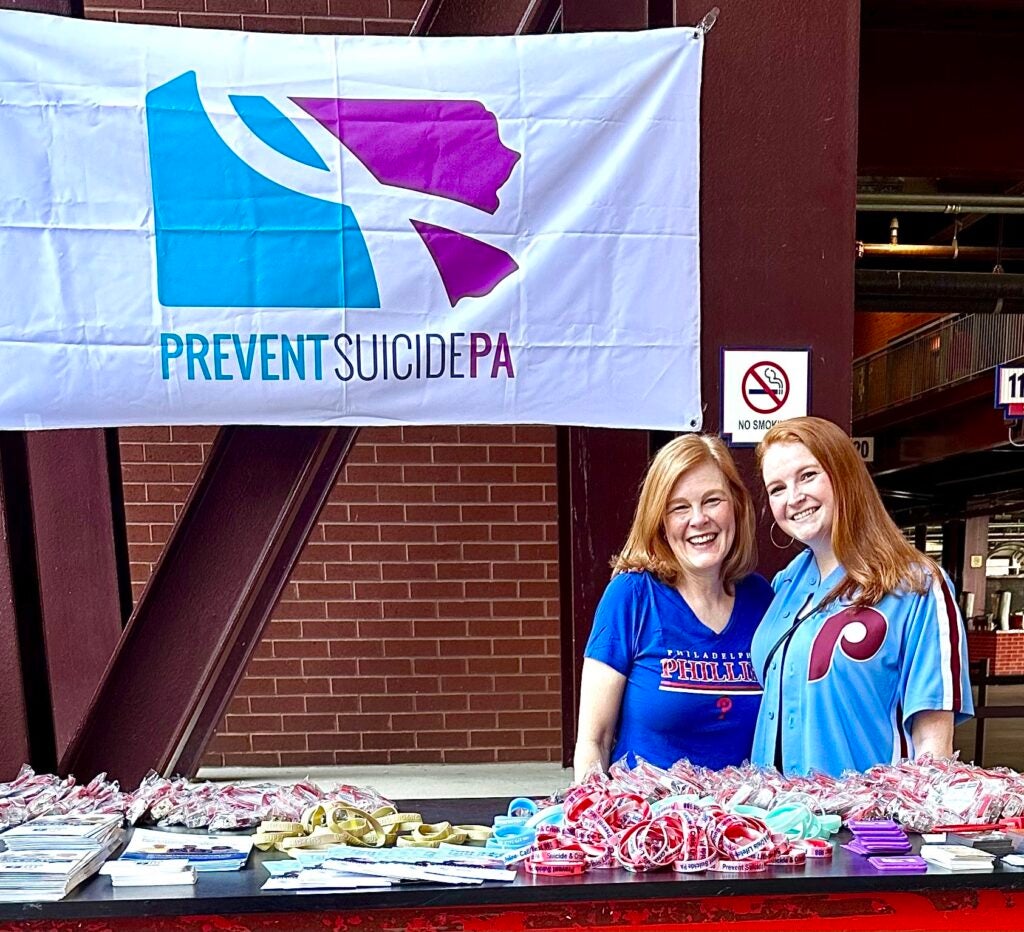 Amanda Blue (left) and her daughter, Hannah Metzger, both work at Jefferson Health’s David Farber ASPIRE Center, which is dedicated to suicide prevention, intervention, research and education. (Courtesy of Amanda Blue)
Mental health issues are often at play, but even people who don’t have a diagnosis can still be at risk for self-harm, she said. Major or stressful life changes, physical injuries or medical conditions, and grief can also be factors.
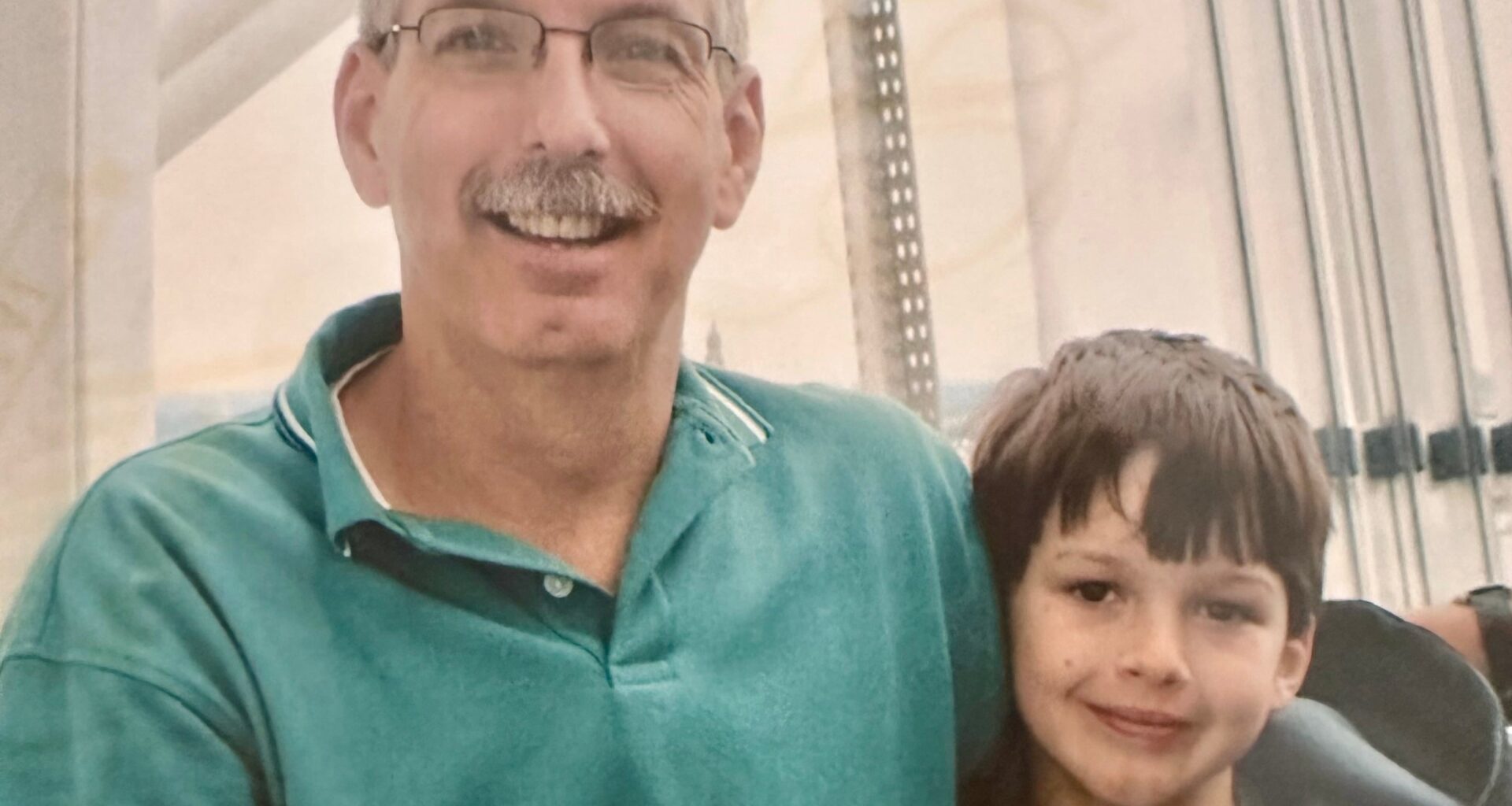
That was the case when Blue lost her husband, Robert Metzger, to suicide in March 2008, just a few months after he had open-heart surgery. Close to the four-year anniversary of his death, Blue lost her 14-year-old son, Alec Metzger, to suicide as well.
“Neither my son or my husband were diagnosed with a mental health condition,” she said. “We need to be focused and paying attention to the people around us and watching for changes in their behavior and withdrawal and some of the things that we know to be symptomatic of someone that’s struggling.”
Shortly after losing her husband and son, Blue jumped into suicide education and awareness work. She left behind a career in graphic design and went back to school to get a master’s degree in public health.
She joined the ASPIRE Center in 2023. Her daughter, Hannah Metzger, also works at the center as a researcher and mental health advocate.
“I felt compelled to help people understand this,” Blue said, “and recognize when someone is struggling and actually step into the void, not as a professional who can fix their issues or problems, but as a concerned, caring individual who can say, ‘Hey, you don’t seem like yourself. Is there something you want to talk about? Is there something going on?’”