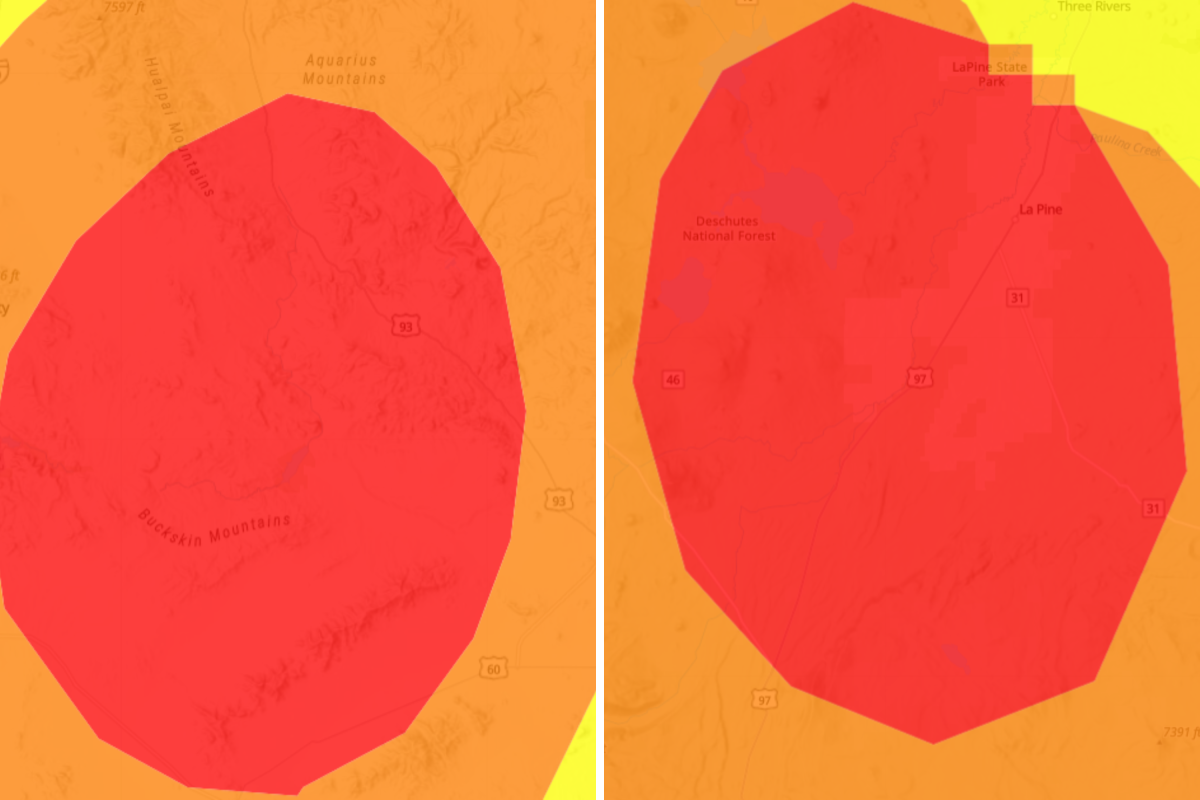
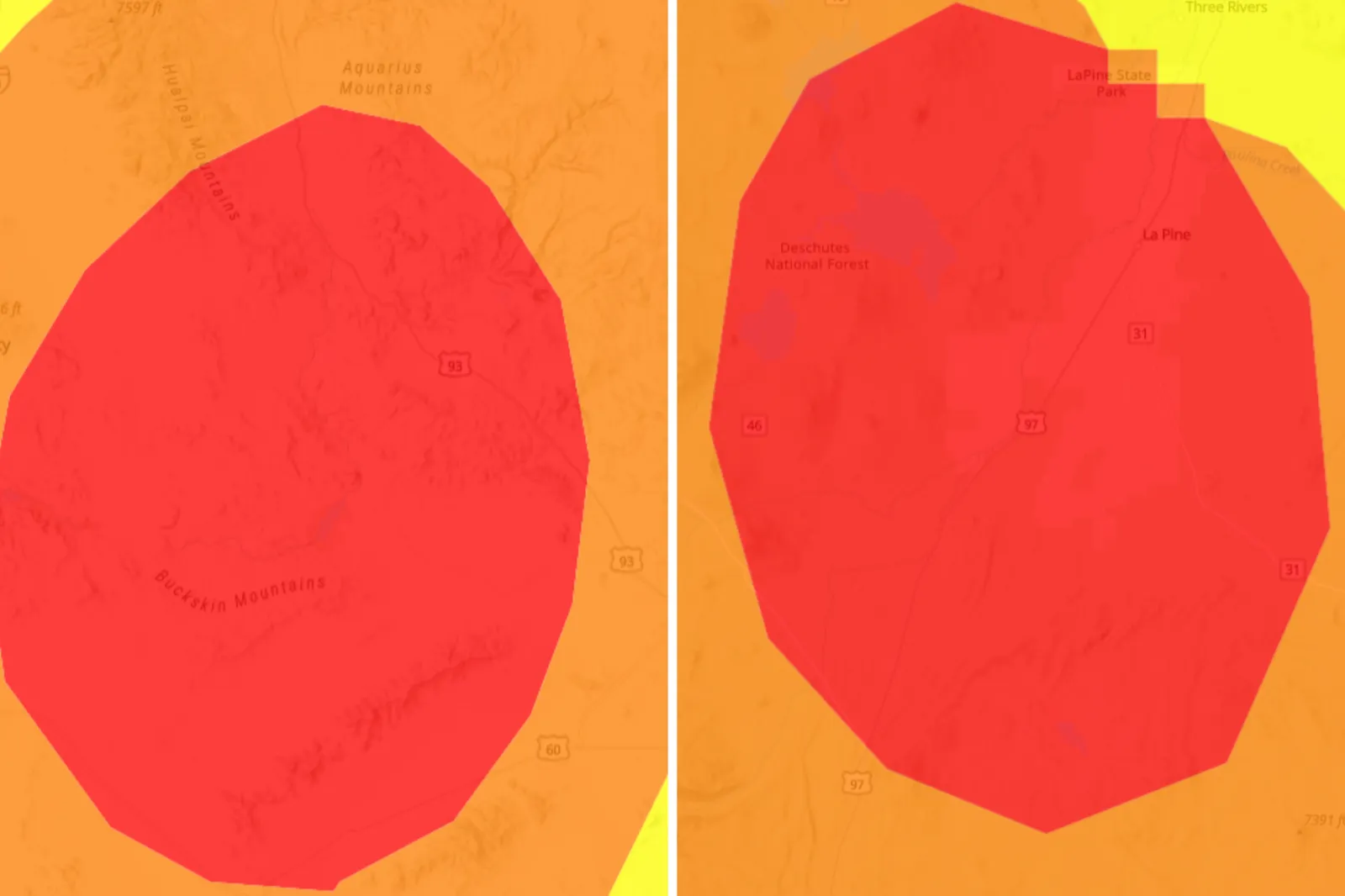
Thousands of people have been advised to stay indoors in parts of Georgia and Arizona as levels of fine particle pollution (PM2.5) have reached an “unhealthy” level, according to the AirNow Map—produced by the Environmental Protection Agency (EPA)—as of Wednesday, January 21, 2026, at 5.45 a.m. ET.
‘Unhealthy’ Air Quality Warnings—What To Do
When the air quality reaches “unhealthy” levels, the EPA urges those in sensitive groups, which include the elderly, children, and those with certain health conditions, to avoid long or intense outdoor activities, and everyone else to reduce the intensity or duration of outdoor activities.
This is because physical exertion leads to deeper, heavier breathing, which increases the risk of inhaling the particles of pollution.
 What Is PM2.5?
PM2.5 are tiny, airborne particles that are 2.5 micrometers or smaller in diameter. The particles are made from microscopic solids and liquid droplets from sources that include vehicle emissions, industrial processes, construction dust, and smoke from wildfires or smokestacks.
Why Is PM2.5 Harmful?
The EPA considers PM2.5 to be one of the most dangerous forms of air pollution because the particles are so small that they can be unknowingly inhaled deep into the lungs and sometimes even the bloodstream.
This can increase the risk of heart or lung problems—especially for those who have existing conditions, like asthma—and trigger symptoms ranging from coughing and eye, throat, and nose irritation to shortness of breath and chest tightness.
The EPA says that even healthy individuals can experience temporary symptoms from elevated levels of PM2.5, and that children, older adults, and people with heart or lung disease are at greater risk of experiencing adverse effects.
The Air Quality Across America—How It’s Measured
The EPA uses the Air Quality Index (AQI) to measure and report the air quality for five major pollutants—ground-level ozone, particle pollution (including PM2.5), carbon monoxide, sulfur dioxide, and nitrogen dioxide—every day, so people can plan their outdoor activities and reduce their exposure to the air when pollution levels are elevated.
Air Quality Index: Risk Levels
The EPA communicates these air quality conditions using a color-coded scale that translates pollution levels into health guidance for the public:
- Green—Good (0 to 50): Air quality is satisfactory, and air pollution poses little or no risk to the public.
- Yellow—Moderate (51 to 100): Air quality is acceptable, but may pose a risk for people who are unusually sensitive to air pollution.
- Orange—Unhealthy for Sensitive Groups (101 to 150): Members of sensitive groups may experience health effects, but the general public is less likely to be affected.
- Red—Unhealthy (151 to 200): Some members of the general public may experience health effects, and sensitive groups may experience more serious health effects.
- Purple—Very Unhealthy (201 to 300): A health alert is issued as the risk of health problems due to polluted air is increased for everyone.
- Maroon—Hazardous (301 and higher): A health warning of emergency conditions is issued as everyone is more likely to be affected by the quality of the air.