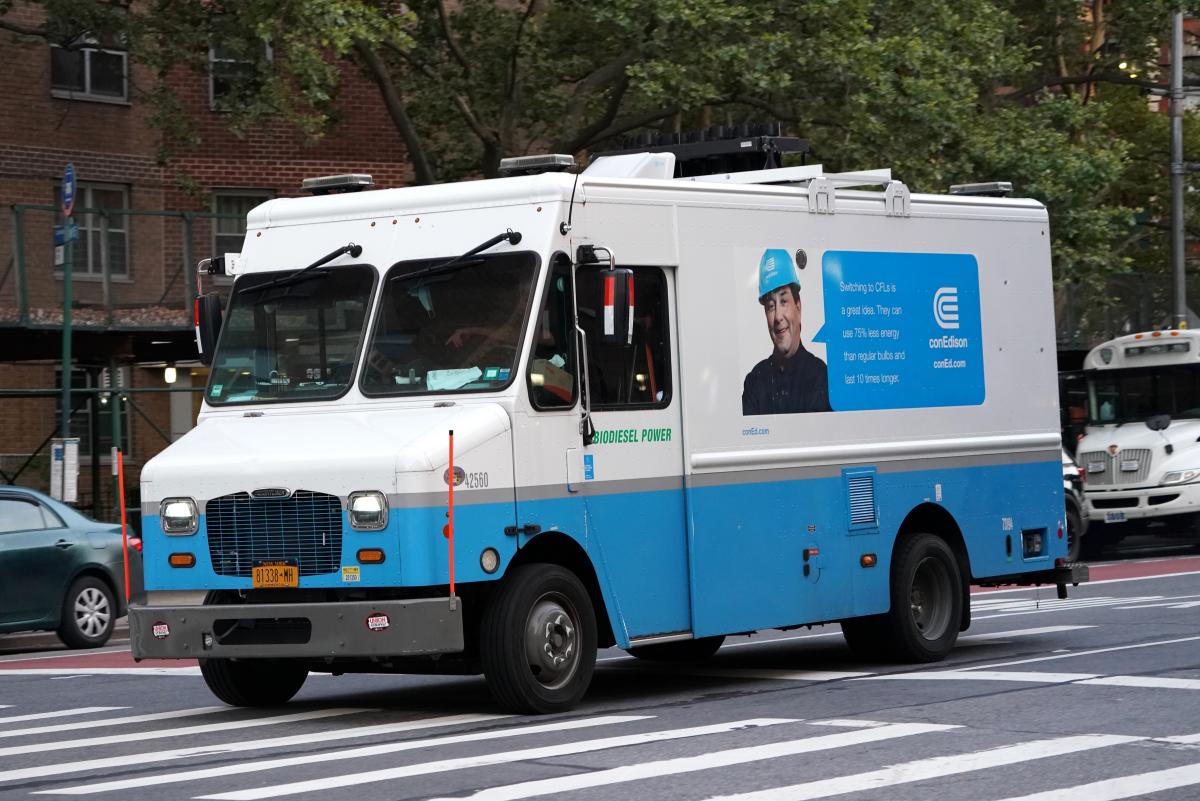
New Yorkers are getting zapped, again.
Con Ed will hike electric bills by 10.4% and inflate gas bill 15.8% – costing the average Big Apple resident an eye-watering $600 more per year by 2028.
The latest squeeze on New Yorkers’ wallets begins immediately – backdated to Jan. 1 – after the state’s utility regulator, the Public Service Commission, approved the measure Thursday.
The hikes mean a gas bill increase of 2.4% per year in 2026, 7.8% in 2027 and 5.6% in 2028.
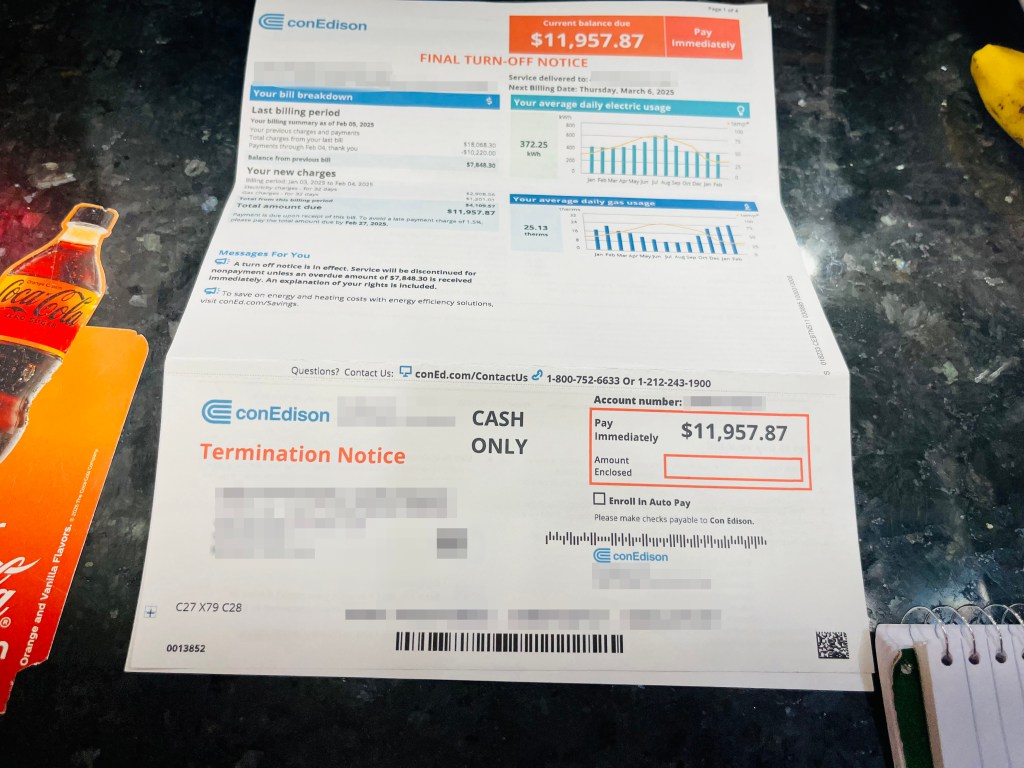 State utility regulators approved a 10.4% hike on Con Edison electric and gas bills over the next three years in the latest squeeze on residents’ wallets. Georgett Roberts/NY Post
Over a year those numbers add up to a significant cost for Big Applers – about $482 more per year by 2028 for typical city homes using 100 therms per month.
And the NYC electric bill increase — 3.9% per year in 2026, 3.3% in 2027 and 3.22% in 2028 – adds up to about $134 more per year for typical New Yorkers using 280 kWh of power per month by 2028.
The extra burden means New Yorkers will pay about $615 more per year for gas and electricity by 2028.
Residents tired of being piggy banks said they’re having a difficult time understanding how the state arrives at its numbers.
“So, I’m already paying double what I was paying about four years ago. I get my bill, and I’m just, like, how do they, how does that figure?” said Cate Wiley, a 65-year-old Inwood resident.
“I am fortunate to be privileged enough that I can pay, it’s irritating, but it’s not gonna hurt me,” she added. “There are so many New Yorkers who won’t be able to pay. Like, literally, they can’t pay or keep the lights on. It’s so sad, and doesn’t make any sense at all.”
The increase – which covers just NYC and Westchester — comes after years of New Yorkers being squeezed by rising utility costs.
Electricity costs have seen a nearly 40% increase since 2019, with costs climbing each year since.
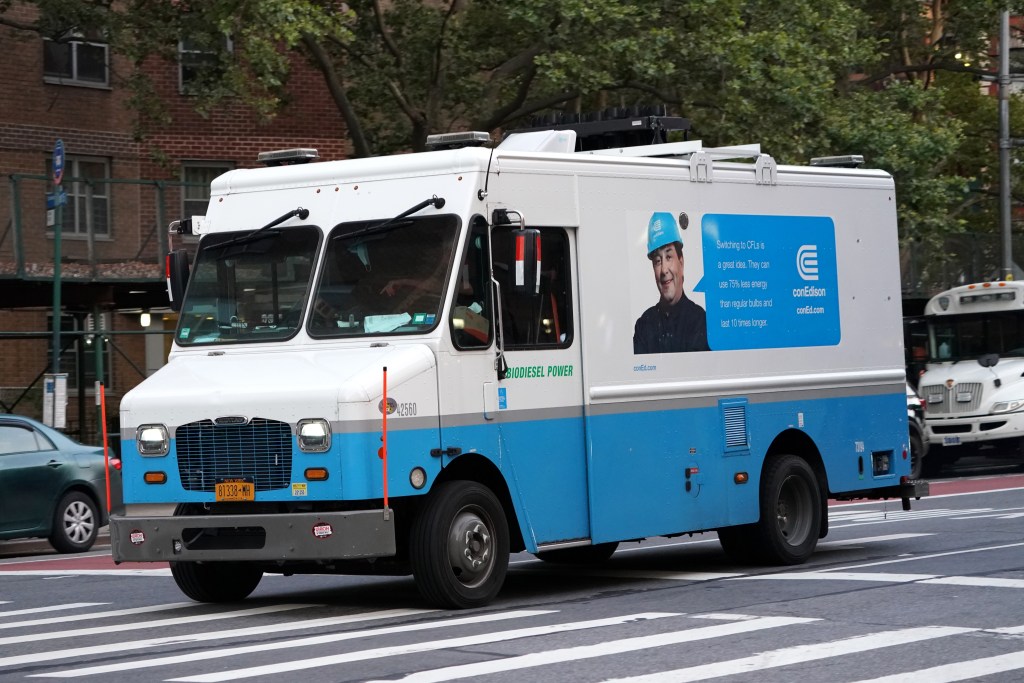 The first electrical hike — effective Jan. 1 — will bump up bills 3.9%, meaning an extra $4 per month for the typical New York City customer who uses 280kWh per month. Christopher Sadowski
By 2028, that will equate to about a 51% increase.
In Westchester, where houses may use about 600 kWh of power per month, that could equate to about $2,620 per year in electric bills – a roughly $240 increase from the current average $2,380 in annual bills.
West Chester’s annual electricity increase will come at 3.6% in 2026, 3.3% in 2027, and 3.2% in 2028 — or about $182 in additional costs once the increases are complete in three years.
The PSC justified the increases by insisting Con Ed needed more cash to maintain and increase its services – with commissioner Rory Christian saying “law, not politics” controls how rate hikes are set.
“The adopted joint proposal meets the legal requirement that the company continue to provide safe and adequate service at just and reasonable rates,” Christian said while announcing the new measure.
Start your day with all you need to know
Morning Report delivers the latest news, videos, photos and more.
Thanks for signing up!
Commissioners also celebrated the final increase percentage as being lower than the initial proposal of 11.4% for electricity and 1.3% for gas.
“It’s a considerable reduction. [The increase] is in line with inflation,” said Commissioner Denise Sheehan.
Mayor Zohran Mamdani – who placed affordability for working class New Yorkers at the center of his campaign – did not officially object to the rate increases, with the city releasing a statement saying the changes “were approximately the rate of inflation.”
“As buildings and transportation electrify and system-wide electricity demand increases, and because of current economic conditions and the critical need to maintain safe and reliable infrastructure, a rate freeze was not possible,” the city added.
New York’s energy costs are about 44% higher than the national average, according to a November study from the Progressive Policy Institute.
Aging infrastructure – in addition to rising operational costs, and standard maintenance — was one of the primary reasons that utility costs have gone up, the study also found.
And some New Yorkers think lawmakers aren’t being nearly creative enough to come up with solutions to keep those costs down for residents.
“I’ve seen the prices go higher incrementally, definitely,” said 58-year-old Upper West Sider Daniel B.
“There’s got to be alternatives, and there’s not much creativity toward investing in those alternatives,” he said.