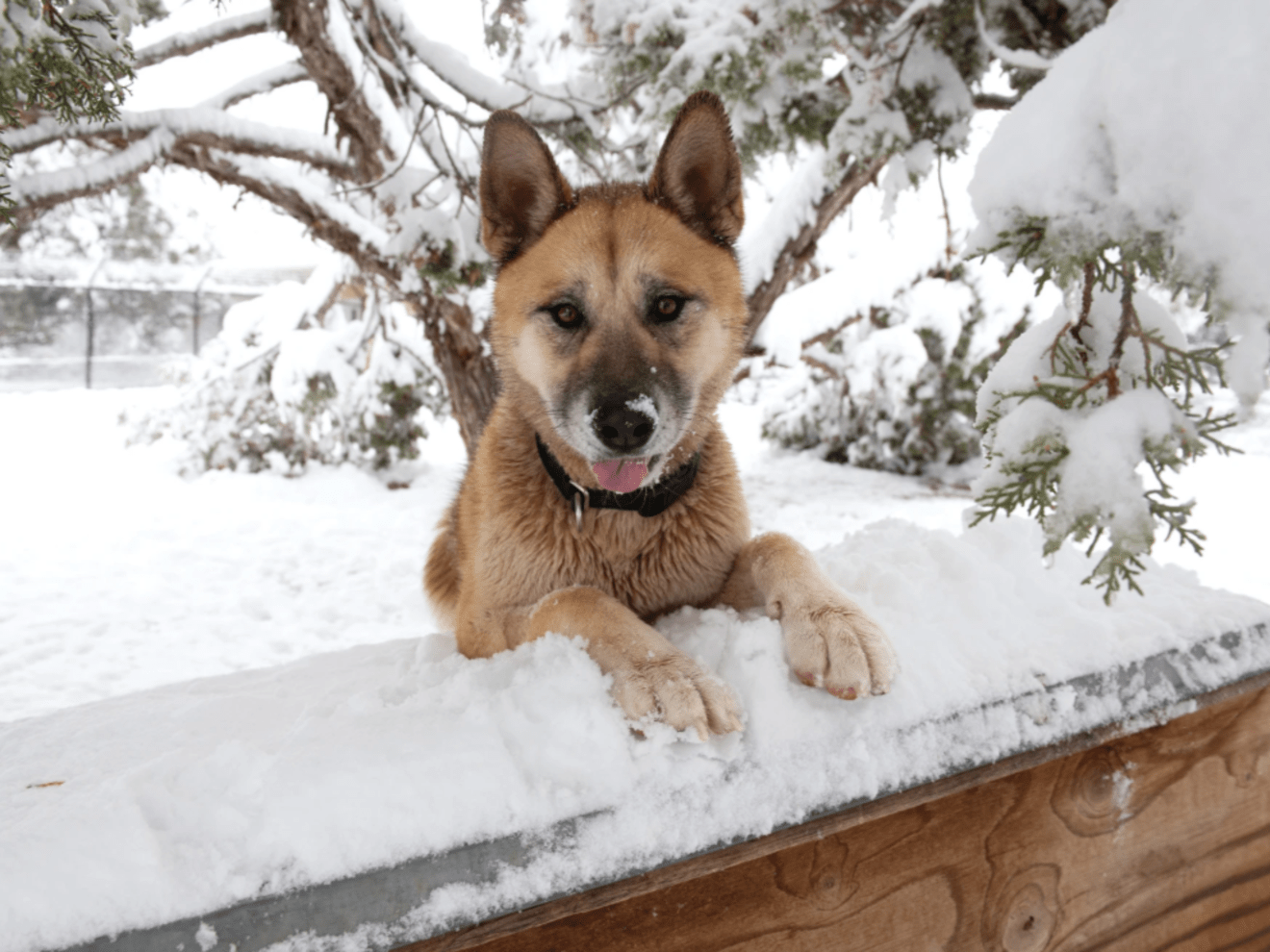
Kerry McKeel isn’t panicked about her own personal safety over the next few days as an arctic freeze is predicted to hit the Houston area on Saturday night — but she is worried about the four-legged fur babies who could suffer when the temperatures dip.
McKeel, communications manager for Best Friends Animal Society, said that just like humans, animals can suffer from hypothermia and frostbite when it gets below 20 degrees.
“It’s not only advisable, but it’s also the law, that pet owners must provide protection from extreme weather,” she said. “We encourage people to bring pets indoors and provide safe conditions even if that means just temporarily keeping them in a garage, bathroom or laundry room.”
The latest weather models, posted Thursday, show more rain than ice in the Houston area, but local residents could face hazardous road conditions and power outages. The frigid weather is expected to occur primarily on Sunday and Monday, when temperatures will drop to the 20s and accumulated rainfall can turn into ice.
The power outages are a problem for not just residents who are trying to stay warm but also for their pets, McKeel said.
“Do what you would do for any member of your family to stay warm,” she said. “Lots of blankets, space heaters under a watchful eye and protective elements like cozy warm beds. Straw or hay can also provide warmth for pets if there is a power outage.”
Houston’s 12 warming centers will be activated Saturday at 5 p.m. through the duration of the weather event, and it’s advertised online that they all allow pets, provided that they are in a crate or carrier. Acres Homes Multi-Service Center, Denver Harbor Multi-Service Center, Fonde Community Center and Magnolia Multi-Service Center are known for being particularly pet-friendly.
However, McKeel said she contacted some city and county employees on Thursday morning and was told they weren’t sure which warming centers would be taking pets, so it’s best to call ahead, she said. Residents can arrange for a ride to a warming center by calling 311.
Some of the centers suggest that the owners bring their own pet food. BARC, the city-owned animal shelter, has in the past provided kennels if the owner doesn’t have one.
“It’s always advisable to have a go kit ready in these emergency situations similar to what we recommend in hurricanes,” McKeel said. “It should include medications and supplies if you need to go to a warming center or pet-friendly hotel. We don’t know what’s going to happen but the weather in Houston can change by the hour. If it doesn’t happen, great, but if it does, at least you’re prepared and ready and you have a plan for your pet.”
Best Friends has shipped thousands of dollars of supplies, including heaters, blankets, straw and tarps, to shelters in the Greater Houston area, particularly facilities that have limited climate control areas. It’s a good time to foster a pet, McKeel added, noting that those who are willing to foster this weekend should contact Best Friends immediately.
McKeel said those planning to tough it out at home generally know to bring their pets inside, but sometimes need to be reminded that outdoor time should be limited to quick walks and bathroom breaks.
“If you notice that your dog is frequently lifting their paws, whining or stopping during walks, it likely means that their feet are cold,” she said. “In the summer, we say to touch the cement and if it’s too hot for your hand, that means it’s too hot for the paw. Same thing during freezing temperatures. If it’s too cold for your hand, it’s too cold for the paw.”
McKeel pointed out that some of the de-icing agents used by emergency crews include toxic chemicals, so it’s important to wipe paws after a walk and consider using booties for added protection. If a pet is staying in the garage, antifreeze should be moved out of reach, she said.
In the case of a feral cat that hasn’t been vaccinated, the best thing to do is create a warm outdoor area with hay and blankets, or if a garage is available, crack the door slightly and use food and blankets as a lure to get the animal inside, McKeel said.
Residents should also check their vehicles before starting a car because “community cats” often seek warmth by curling up under car hoods or near engines, she added.
“Tap the hood, look underneath or give a honk to make sure no cats are hiding,” she said.
This article appears in Private: Jan 1 – Dec 31, 2026.
Related