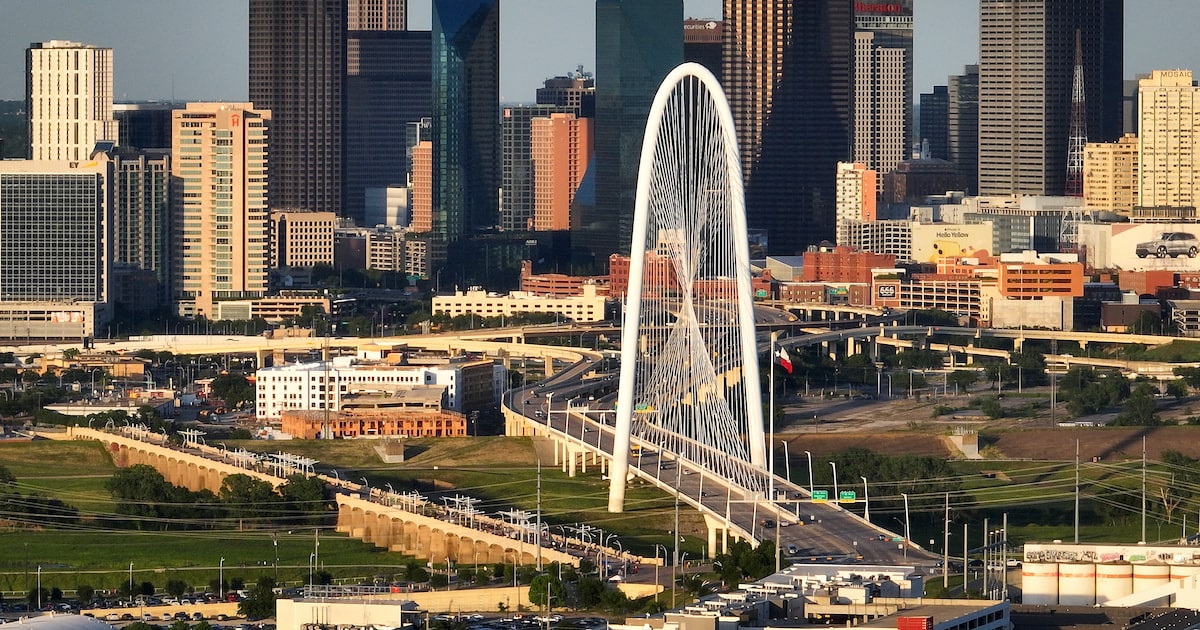
This is Dallas-Fort Worth’s moment. I say that after more than 40 years in commercial real estate, including hundreds of site-selection meetings with Dallas’ largest and most prestigious corporations, professional services firms, and companies looking to add jobs and/or relocate here.
We are on an incredible heater. North Texas is the envy of every metro region in the United States, adding roughly 100,000 jobs per year and attracting major employers who want to be a part of the economic growth our region is experiencing. These new neighbors want to take advantage of our business-friendly environment, which is also a great place to live and raise a family, all in an affordable region where outsiders feel welcome.
As one of my clients told a large audience after relocating here from New York, “Dallas is easy.” We have become a financial services juggernaut, and if we continue to do things right, this trend should continue for many years to come. To keep this momentum, we have to ensure our historic heart — the downtown core — is prepared to shine alongside the rest of our city.
First, from a commercial real estate perspective, Dallas’ central business district, Arts District and Uptown are one market. In 2000, the taxable value of all of downtown, including CBD, Arts District and Uptown, was $1.3 billion with approximately 10,000 residents, based on city and county tax records. In 2025, that same area had a taxable value of $13 billion with about 30,000 residents. In 25 years, our downtown/Uptown tax rolls have risen over 1,000%. This is incredible growth and part of the North Texas miracle.
Opinion
The core of downtown has been losing tenants to the Arts District and Uptown for over 25 years. Why? Because that’s where the new, class A buildings with amenities are and where these decision-makers feel like they can recruit and retain the best people to be most competitive. The older 1980s-vintage buildings in downtown have lost blue-chip tenants to newer offices in every city, not just Dallas. It’s expected.
We have the vision, the talent and the private-sector drive to bring growth and vibrancy back to the historic core of Dallas. Here’s how we enable, encourage and empower downtown’s next act:
1. Reimagine our historic assets
The “life” of some 1980s towers as traditional office space must evolve. Attract developers with improved permitting and incentive processes. To successfully reposition these buildings — many of which are beyond their useful life as offices — developers and investors must be able to access public capital alongside private investment to make adaptive reuse financially viable. And when we do reinvest in office — as seen with the brilliant $140 million renovation of the Trammell Crow Center — the market responds. Downtown can compete with newer products elsewhere if the city is a partner in speed and efficiency.
2. Move city government to the heart
Relocating City Hall into an existing, underutilized downtown building is a win-win for Dallas. Beyond providing city employees with a modern work environment, this move could eventually save taxpayers hundreds of millions in deferred and ongoing maintenance. By establishing a high-energy urban center in a repurposed tower, we can breathe immediate life into the historic core — a transformative victory for downtown that should be pursued with urgency.
3. Connect our best assets
Connection is our greatest superpower. The Loop Dallas is the 50-mile active transportation “superhighway” that can finally link our disparate gems: the Design District, Trinity Park Conservancy, downtown parks, Arts District, White Rock Lake and the Great Trinity Forest. To fully realize this vision, we must invest in dedicated, protected bike lanes that safely connect our trail system to downtown — ensuring people of all ages and abilities can move through the city with confidence. In connecting these assets we encourage the safe, walkable and bikeable lifestyle that defines top-tier global cities.
4. Empower the “Dallas do-gooders”
Dallas has a unique history of private benefactors who donate time, money, and vision to civic projects. These private citizens, partnering with the city, do an incredible amount of heavy lifting on these public-private partnerships that change and remake our city for the better. Where would our city be without Klyde Warren Park? The city’s role should be to empower these champions by embracing their vision and making their jobs easier.
5. Lean into our cultural identity
Dallas is home to the largest contiguous urban arts district in the nation — a crown jewel defined by world-class architecture and storied cultural institutions. While our private-sector champions have provided incredible support, the city must now do its part. By addressing deferred maintenance and investing in capital improvements, we can ensure these buildings meet the high standards Dallasites expect. We should empower this district, alongside Klyde Warren Park and the Trinity Park Conservancy, by removing bureaucratic hurdles and prioritizing the safety and maintenance that tell the world Dallas values the beauty and art that bring a community together.
6. Focus on the “talent commute”
If we want companies to stay in downtown, we must prioritize quality-of-life infrastructure — trails, parks and safe sidewalks — that makes the “reverse commute” or the urban lifestyle a competitive advantage for recruiting.
As civic leaders, we must offer a clear, positive vision and action that address the challenges of the historic core while celebrating the “heater” we are on. Revitalization takes time, but Dallas has never been a city to shy away from a challenge. We are one big, thriving market. By leaning into our strengths and supporting our private-sector visionaries, we aren’t just modernizing buildings; we are connecting Dallas to Dallas and ensuring our heart beats stronger than ever.
Jeff Ellerman is co-founder and board chairman of The Loop Dallas and executive vice chairman of Stream Realty Partners.