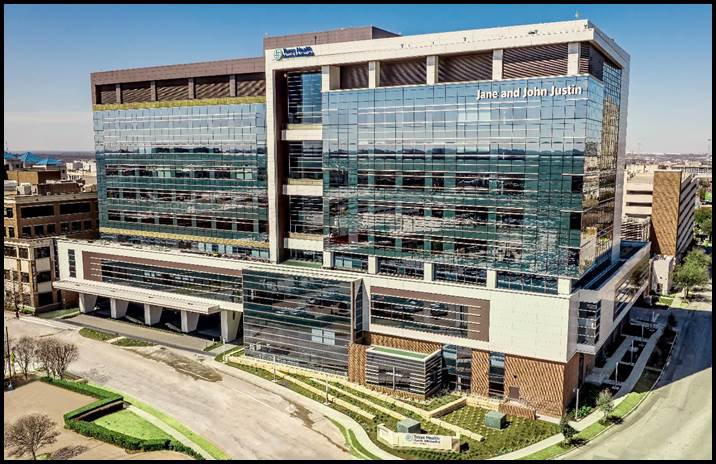
Inside Texas Health Harris Methodist Hospital Fort Worth, physicians are testing a cardiac device so new that only thirteen other hospitals in the United States are authorized to use it — a distinction that places the North Texas facility in the same clinical tier as the Mayo Clinic.
The hospital is one of just fourteen U.S. sites participating in the Enlighten Study, an international clinical trial evaluating a next-generation defibrillator designed to prevent sudden cardiac death caused by ventricular arrhythmias. Texas Health Fort Worth ranks among the top enrolling hospitals in the country, tied for fifth nationally, and is drawing patients from outside the region seeking access to the therapy, according to a release.
The device at the center of the study is called an extravascular implantable cardioverter defibrillator, or EV-ICD. It continuously monitors the heart for ventricular arrhythmias — chaotic electrical malfunctions in the heart’s lower chambers that can cause sudden cardiac death within seconds. When the EV-ICD detects a dangerous rhythm, it first attempts to correct it with a small electrical signal. If the heart fails to respond, the device delivers a defibrillation shock designed to restore normal rhythm.
What sets the EV-ICD apart is where it does not go. Traditional implantable defibrillators rely on leads placed through veins and into the heart itself. The EV-ICD avoids the heart entirely. Its lead is positioned beneath the breastbone, and the generator is implanted on the left side of the chest — a structural shift that significantly reduces long-term complications and physical limitations for patients.
“The ability to offer lifesaving defibrillator therapy without placing leads inside the heart or veins represents a major advancement,” said Dr. Theodore Takata, a cardiac electrophysiologist with Texas Health Physicians Group who practices at Texas Health Fort Worth. “After the procedure, there are no restrictions on left arm movement. For young adults and athletes who want to maintain an active lifestyle, that’s a significant benefit.”
With sudden cardiac death responsible for more than 450,000 deaths each year in the United States, the stakes are considerable. Ventricular arrhythmias account for an estimated 15 to 20 % of all deaths in the U.S. and other highly developed countries — often striking without warning and leaving little opportunity for intervention.
That urgency helps explain why the Enlighten Study has drawn international attention. More than thirty facilities worldwide are contributing data to the five-year trial, with more than 1,000 patients enrolled to evaluate the safety and long-term performance of the EV-ICD. Because only a small number of U.S. hospitals are participating, Texas Health Fort Worth has become a referral destination for patients seeking access to the technology.
For Dr. Sunita Koshy-Nesbitt, a clinical cardiac electrophysiologist who also serves as Texas Health’s Hospital Channel chief quality officer and chief medical and quality officer for Texas Health Physicians Group, the device represents a meaningful step forward in how physicians manage lethal heart rhythms.
“Diagnosing and treating deadly arrhythmias quickly is one of the most important tools we have in combating cardiovascular disease,” Koshy-Nesbitt said. “Innovations like the EV-ICD allow us to deliver safe, reliable care to patients who are at high risk for sudden cardiac death.”
Takata’s experience with the EV-ICD has extended well beyond Fort Worth. In addition to serving as a national faculty instructor for the technology, he was recently one of just three physicians from the United States invited to help launch and proctor EV-ICD procedures in China — a role that underscores the hospital’s growing influence in the field of cardiac rhythm management.
For hospital president Jared Shelton, the distinction is less about national rankings than patient outcomes.
“The priority is using advanced technology to enhance patient safety and get people back to their loved ones and to a better quality of life,” Shelton said. “Our care teams — including specialized nursing and technical staff — are helping define the future of cardiac rhythm management across North Texas and beyond.”