Even after several rounds of cleanup, drivers across Northern New York and Vermont are still dealing with slick spots and uneven road conditions following the recent storm. Officials say while the snow has stopped falling, the cleanup process is far from over.Road crews across the region have been working around the clock for several days to keep traffic moving. By Monday, many roads were still snow-packed, which meant crews shifted from nonstop plowing to spreading salt and sand to improve traction. That job became harder as temperatures dropped well below zero, making it tougher for salt to break down ice.With schools and businesses delayed or closed, traffic on the roads was lighter than usual. That gave plow drivers plenty of room to clear snow, but it also slows how well salt and other materials work. Officials say vehicle traffic helps grind those materials into the snowpack.“Traffic actually helps us,” said Dan Shepard, VTrans District Transportation Administrator. “When cars drive over treated roads, it helps mix the salt into the snow and ice so it can do its job.”VTrans uses a color-coded system to decide which roads are treated first. Orange roads, including interstates, are the highest priority. Blue roads are major highways, green are secondary roads, and yellow streets are lower priority and may take longer to fully clear.As conditions slowly improve, crews say progress is being made. Warmer daytime temperatures and sunlight are expected to help treatments work better, along with additives like magnesium chloride in problem areas. Weather-Related Crashes: Regional BreakdownVermontTotal: 118Interstates: 81Interstate injuries: 11North: 59 | South: 59Northern New YorkTotal: 71Property damage: 63Injuries: 8Fatalities: 0 Officials are urging drivers to stay cautious, especially in neighborhoods, shaded spots, and less-traveled roads where ice can linger. Slowing down and allowing extra travel time can help keep everyone safe as cleanup continues.
BURLINGTON, Vt. —
Even after several rounds of cleanup, drivers across Northern New York and Vermont are still dealing with slick spots and uneven road conditions following the recent storm. Officials say while the snow has stopped falling, the cleanup process is far from over.
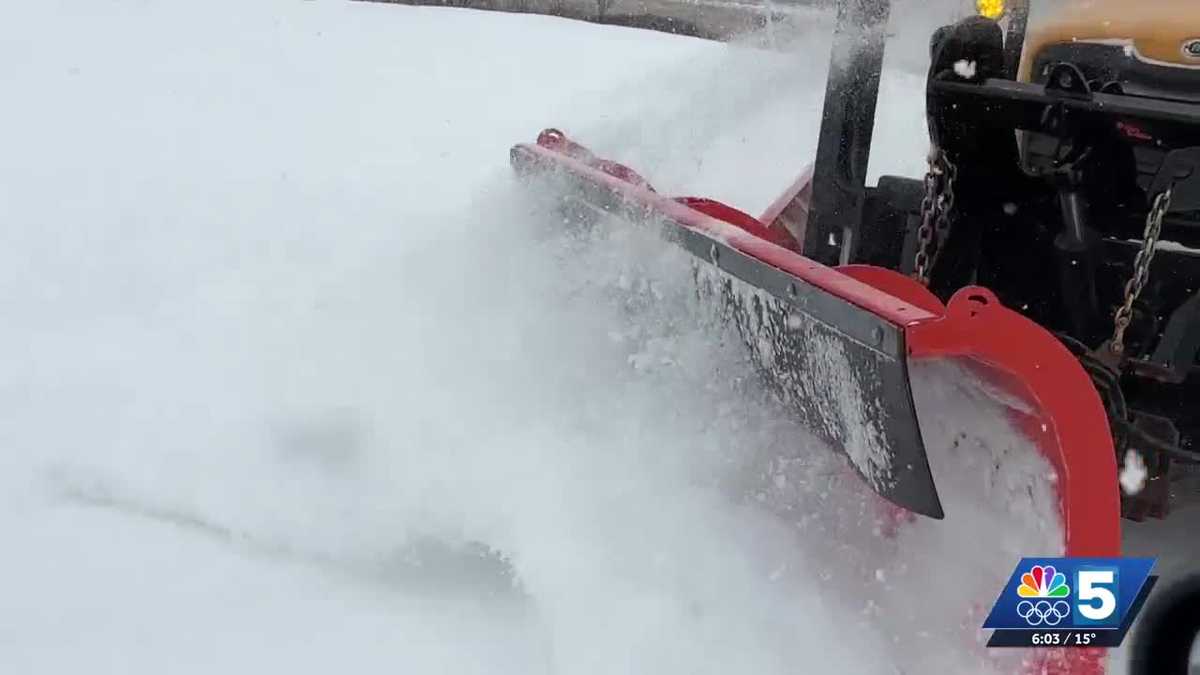
Road crews across the region have been working around the clock for several days to keep traffic moving.
By Monday, many roads were still snow-packed, which meant crews shifted from nonstop plowing to spreading salt and sand to improve traction.
That job became harder as temperatures dropped well below zero, making it tougher for salt to break down ice.
With schools and businesses delayed or closed, traffic on the roads was lighter than usual. That gave plow drivers plenty of room to clear snow, but it also slows how well salt and other materials work.
Officials say vehicle traffic helps grind those materials into the snowpack.
“Traffic actually helps us,” said Dan Shepard, VTrans District Transportation Administrator. “When cars drive over treated roads, it helps mix the salt into the snow and ice so it can do its job.”
VTrans uses a color-coded system to decide which roads are treated first. Orange roads, including interstates, are the highest priority. Blue roads are major highways, green are secondary roads, and yellow streets are lower priority and may take longer to fully clear.
As conditions slowly improve, crews say progress is being made. Warmer daytime temperatures and sunlight are expected to help treatments work better, along with additives like magnesium chloride in problem areas.
Weather-Related Crashes: Regional Breakdown
Vermont
Total: 118
Interstates: 81
Interstate injuries: 11
North: 59 | South: 59
Northern New York
Total: 71
Property damage: 63
Injuries: 8
Fatalities: 0
Officials are urging drivers to stay cautious, especially in neighborhoods, shaded spots, and less-traveled roads where ice can linger.
Slowing down and allowing extra travel time can help keep everyone safe as cleanup continues.