Turning 45 used to mean a nice dinner and maybe a few gray hairs. Now it might mean wondering why you’re still buried in credit card debt, renting a two-bedroom, and Googling “early retirement” at midnight.
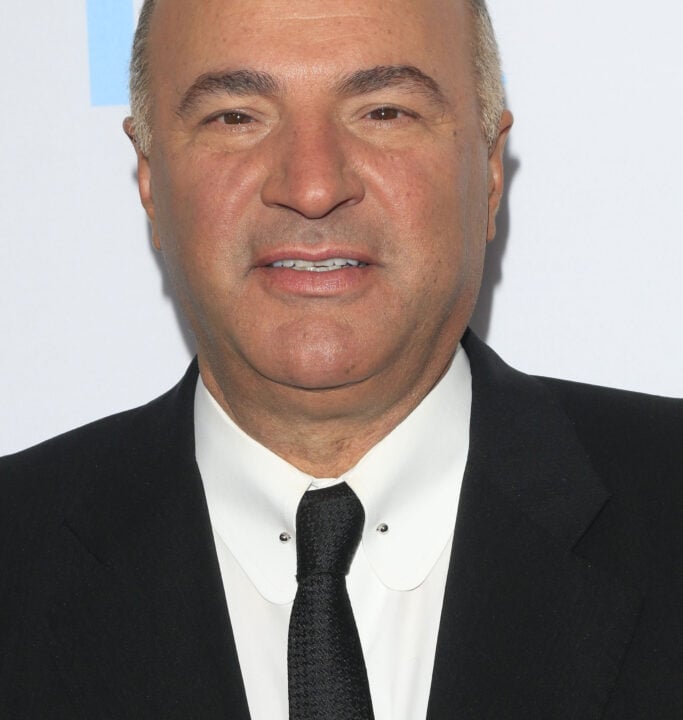
In a 2018 CNBC interview, “Shark Tank” investor Kevin O’Leary delivered his version of a midlife wake-up call. “When you’re 45 years old, the game is more than half over, and you better be out of debt,” he told the outlet. “Most careers start in early 20s and end in the mid-60s.” That window, he added, should be used to build wealth — not chip away at past spending.
Don’t Miss:
He said that younger years are when earning power tends to peak. “It’s not easier when you’re older to make money — it’s easy to make money when you’re younger,” O’Leary said. “You’ve got to save it while you’re making it — that’s the whole idea of financial freedom.”
The message? Debt is dead weight. But what if you’re 45 and not debt-free — or worse, not even a homeowner?
O’Leary’s deadline may be aspirational, but it’s not reflective of reality for most Americans. Data from the Federal Reserve Bank of New York’s Q3 Household Debt and Credit report shows the average person aged 40 to 49 carries $111,148 in total debt. That’s the highest of any age group. Mortgages, student loans, credit cards, and auto loans all pile on during this stage of life — and often for good reason.
According to the National Association of Realtors’ 2025 Profile of Home Buyers and Sellers, the median age of first-time homebuyers is now 40 — the highest on record. That means many people are only just entering the housing market at the same age O’Leary believes they should be completely debt-free.
And odds are, they’re not buying homes with cash. Most are taking out mortgages — often 15 or 30 years — which means they’re voluntarily signing up for long-term debt right at midlife. Even the more aggressive 15-year loans would keep these buyers in debt until 55 at best, assuming no refinancing or financial setbacks. So if 45 is the cut-off for financial freedom, as O’Leary claims, the reality of homeownership alone makes that deadline tough to hit.
Story Continues
Trending: Americans With a Financial Plan Can 4X Their Wealth — Get Your Personalized Plan from a CFP Pro
Credit Karma’s 2024 analysis puts average Gen X debt at $61,036, though that figure often omits mortgage balances. And with inflation and high interest rates sticking around longer than anyone hoped, the idea of being debt-free by midlife sounds more like a punchline than a plan.
A LendingTree report last year on adults aged 66 to 71 found 97.1% still hold nonmortgage debt, with a median balance of $11,349. That includes car loans, credit card balances, and yes — even student loans, especially from parents taking on debt for their kids.
Factor in mortgages, and the numbers climb higher. According to the Federal Reserve’s Survey of Consumer Affairs, the average person between 65 and 74 carries about $94,620 in total debt. Many simply don’t — or can’t — pay it off early. It’s not always poor planning; sometimes it’s the price of participation in the modern economy.
O’Leary has always been clear: he views debt as the enemy of freedom. “Think about life,” he told CNBC. “You go to college — student debt. Then, you find someone, you get married, you buy a house — more debt. You have kids — more debt. Getting them through school.”
He’s not wrong about the progression. But in today’s world, wiping the slate clean by 45 is a luxury few can afford. Home prices are still sky-high, student debt remains crushing for many, and wages haven’t exactly kept up with the cost of living. There’s also the matter of longer life expectancy — if someone retires at 64, that still leaves potentially 20 years or more of managing finances. Debt might be part of that picture.
See Also: Designed for investors with strong market convictions, REX Shares builds ETFs for income, leverage, and tactical positioning — explore the lineup.
Here’s what many financial advisers would say instead: not all debt is created equal. High-interest consumer debt — like credit cards — should be tackled aggressively. But low-interest mortgage debt, especially locked in at 3% to 4%, may not be the villain O’Leary makes it out to be. If your money could be earning 7% to 10% in the market, aggressively paying down a cheap mortgage might slow your progress.
Advisers also point out that liquidity matters — and draining every cent into debt payoff can leave households exposed in emergencies. The better approach is often a mix: reduce the worst debt first, build savings, and invest consistently over time.
Whether you’re 35 or 75, drowning in debt or just trying to figure out if you’ll ever own a home, the real key is clarity. That’s where a professional financial adviser can help — not to shame your timeline, but to build a realistic one. An adviser can walk through your income, assets, and liabilities, and help you create a plan that gets you moving forward, even if you’re not racing ahead.
You don’t have to hit zero debt by 45 to win the money game. But you do need a strategy that matches your life — not someone else’s scoreboard.
Read Next: This investment firm leverages expert insights and a 2.40x net equity multiple to help accredited investors capitalize on 2026 multifamily market trends—read the full forecast now.
Image: Shutterstock
Up Next: Transform your trading with Benzinga Edge’s one-of-a-kind market trade ideas and tools. Click now to access unique insights that can set you ahead in today’s competitive market.
Get the latest stock analysis from Benzinga:
This article Kevin O’ Leary Says ‘Game Is More Than Half Over’ By The Time You’re 45, So You Better Make Sure All Your Debt Is Paid Off originally appeared on Benzinga.com
© 2026 Benzinga.com. Benzinga does not provide investment advice. All rights reserved.