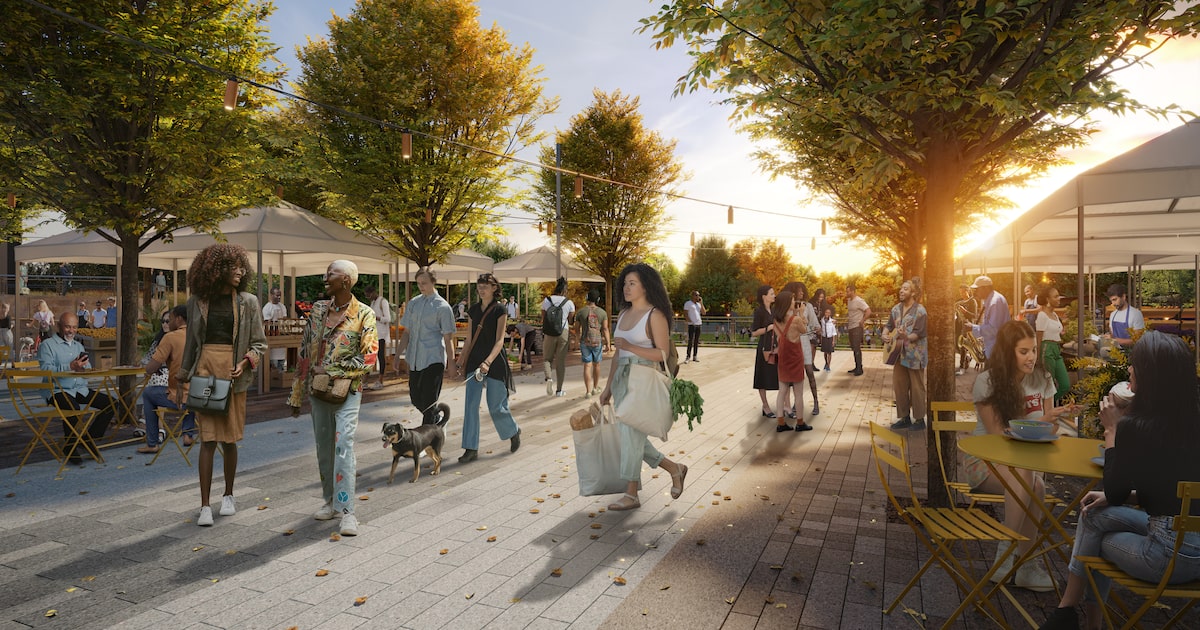
Fair Park is not simply city-owned land. It is, rather, a 277-acre national historic landmark, one of the largest and most significant cultural assets that Dallas possesses. For more than 100 years, it has served as a gathering place for residents and tourists from every corner of the city.
The park has hosted the state fair, concerts, festivals and community events while standing as a physical and poignant reminder of Dallas’ history and identity. Decisions about its future should be made with the care and planning it deserves.
Over time, Fair Park has been caught in a revolving door of management structures, overlapping authorities and blurred lines of accountability. The result has been predictable: documented neglect, deteriorating infrastructure and serious financial instability.
This week, the City Council might decide whether to enter into an agreement with the nonprofit that contributed to those failures — Fair Park First — for the construction of Community Park, a long-awaited project to replace a parking lot in Fair Park.
Opinion
Rather than rushing into a development contract with a body that has lots of explaining to do, we should consider whether we’re about to repeat our mistakes: handing the keys over to a team that is incapable of providing the results that Community Park deserves.
Performance parameters of the past are part of the due diligence required in the present. To win another contract with the city, Fair Park First must overcome trust issues, demonstrate transparency in fundraising, provide timely financial audits and ensure that it can properly steward and protect donor monies. We owe that to the community and to every stakeholder involved.
In my authority as Park Board president, I have created a task force with some of the most selfless leaders in Dallas to ensure that the construction of Community Park has proper financial, planning and development oversight. We simply cannot hand over a construction contract to an organization that has already shown an inability to execute, without thorough due diligence and proper controls in place.
As we look ahead to major milestones, including preparations for the state’s 2036 bicentennial, we have a unique opportunity to celebrate Fair Park and the Community Park as examples of correcting the historic mistake of uprooting communities, and as symbols of renewal and civic pride. But achieving that vision requires institutional knowledge and the patience to allow reforms to take root.
It’s time to reestablish stability and public confidence.
Arun Agarwal is the president of the Dallas Park and Recreation Board.