HOUSTON, Texas (KTRK) — In a letter this week, Texas Gov. Greg Abbott directed public universities and state agencies to halt new petitions.
The governor has launched an investigation into potential abuses of the program, and says he wants to ensure “American jobs are going to American workers.”
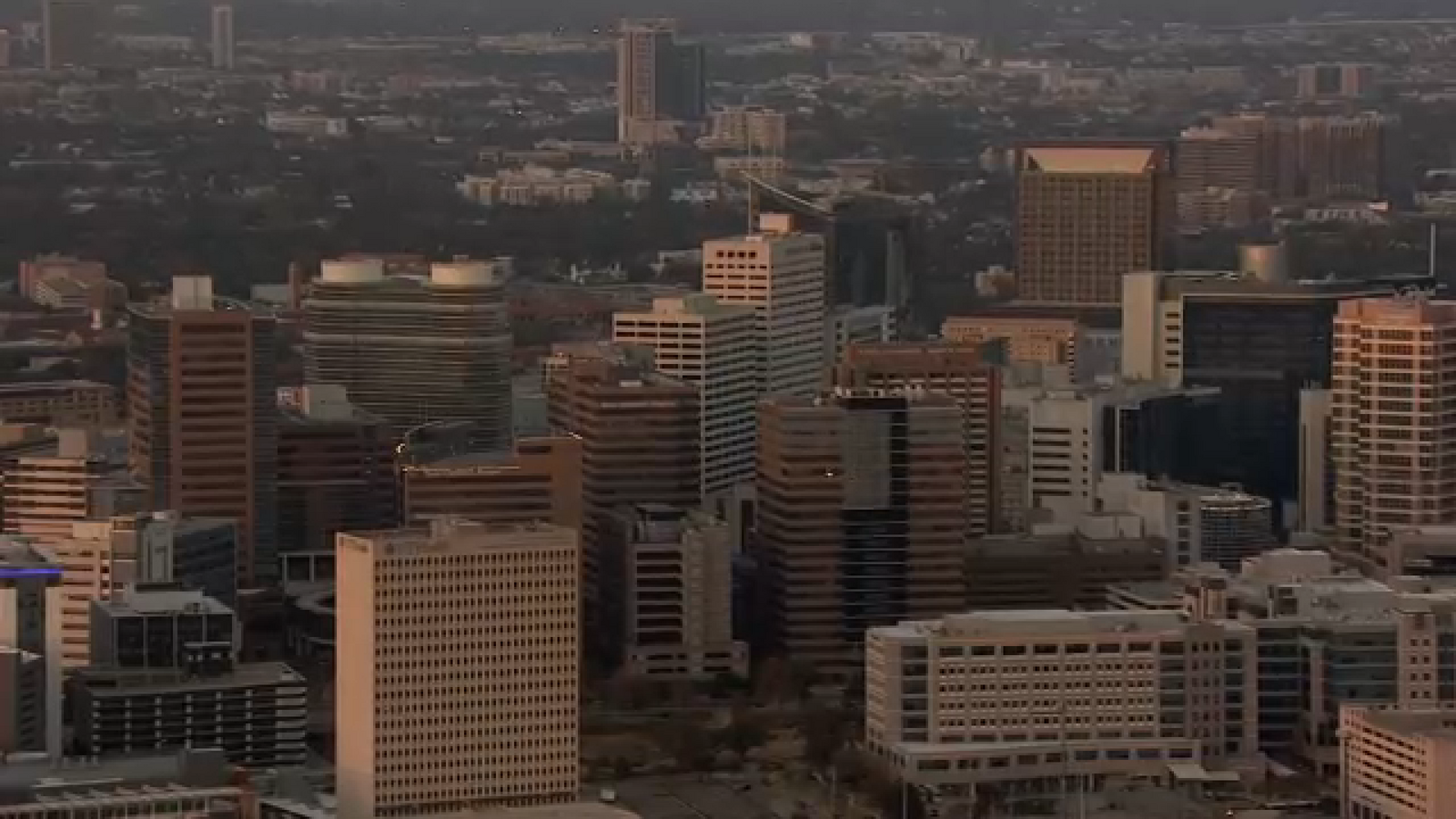
Since Houston is home to the world’s largest medical center, ABC13 wanted to know how this directive could affect operations.
Eyewitness News spoke with people who work in academics and health care. They say a good portion of employees in those industries came here through H-1B visa programs. And if that opportunity isn’t available, it could have an impact on bringing in more doctors to the medical center and also professors to universities.
Data from the U.S. Citizenship and Immigration Services shows, as of the last fiscal year, 171 employees at the University of Texas MD Anderson Cancer Center received new H-1B visas. Ninety employees received them at the University of Texas Health Science Center at Houston.
ABC13 spoke with an assistant clinical professor at UTMB, who says under the governor’s order, there could be fewer doctors coming to Texas and feels that it could have long-term impacts on quality care for patients in a city the size of Houston.
“I think that the average population that needs care will see increased waiting times, particularly in emergency room settings, because anytime you have increases, increased delays in care, and people not getting the health care they need, the more you’re going to start seeing people who, when they need help, need emergency care,” Dr. Audrey Nath, a clinical assistant professor at UTMB, said.
The same data also shows that some of the state’s public universities employ a significant number of people through H-1B visas.
It also shows 92 were granted at the University of Houston and 210 at Texas A&M.
ABC13 spoke with a computer science professor at UT-Dallas, part of the American Association of University Professors, who said he was able to come to the United States as an H-1B Visa holder and feels that if universities have fewer choices of professors to bring in, students may not get the best quality education.
“If you are a Texan, would you not like to be treated by the best doctors that you can have anywhere in the world? Would you not like to be taught by the best scientists, and engineers, and scholars in the world? So this is really going to impact not just the Universities of Texas, but all of Texas,” Dr. Ravi Prakash, a computer science professor at UT-Dallas, said.
The governor’s order is only for a year. This comes after President Donald Trump issued a proclamation that employees have to pay $100,000 to sponsor anyone who comes through a H-1B visa.
For updates, follow Mo Haider on Facebook, X and Instagram.
Copyright © 2026 KTRK-TV. All Rights Reserved.