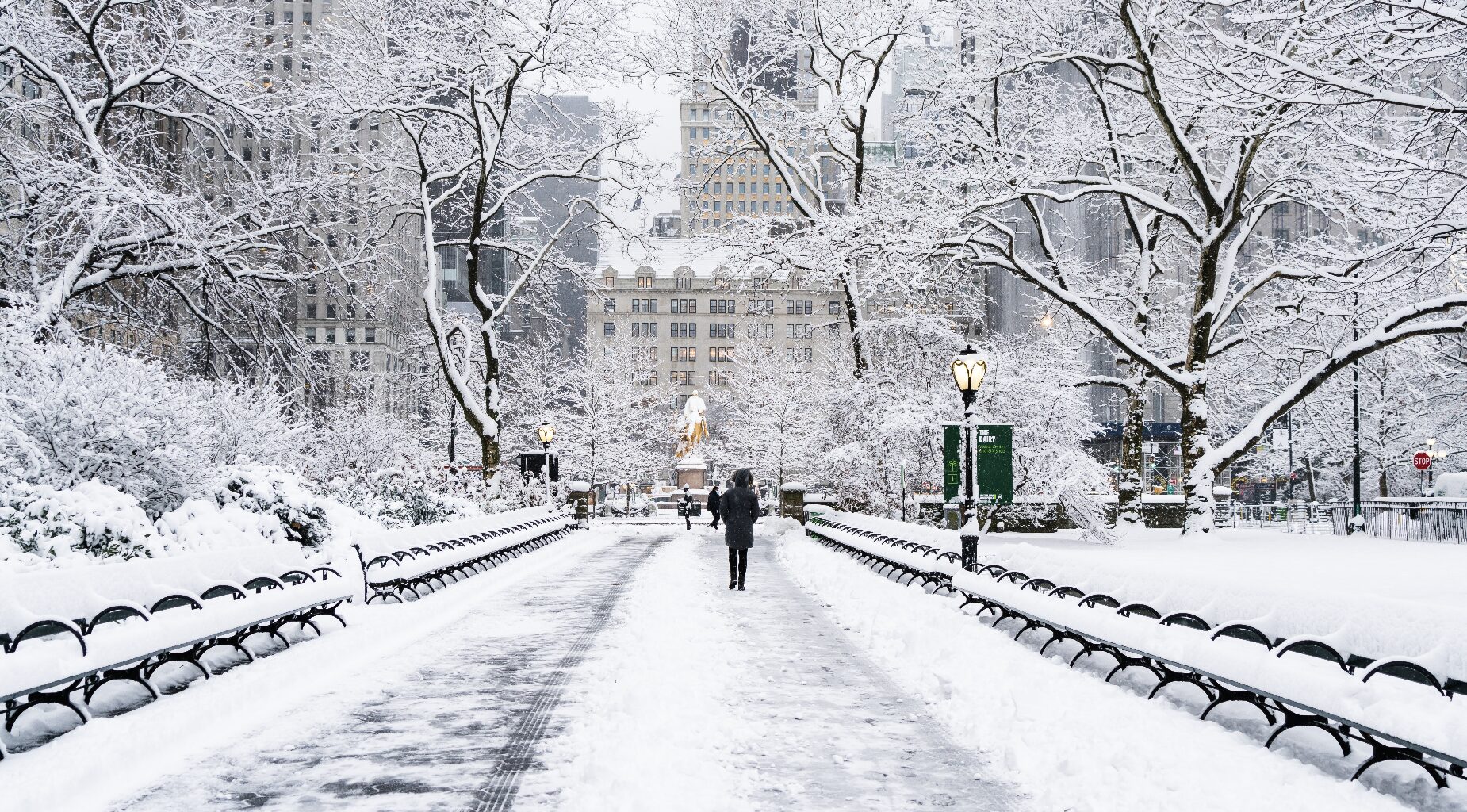
New York City is locked in one of its coldest stretches in years—and it’s not just uncomfortable, it’s dangerous. With wind chills dipping below zero and another winter system looming in the forecast, the city has expanded its network of warming centers, buses, and drop-in spaces to ensure no one has to ride out this freeze outdoors.
Whether you’re looking for a place to warm up yourself or trying to help someone else, here’s how to find a warming center fast—and what to expect once you’re inside:
How do you find a warming center?
The quickest way is to call 311. Operators can tell you exactly where the nearest warming center or warming bus is, based on your location and what hours it’s open. You can also flag someone in distress by calling 311; during extreme cold, calls are rerouted to emergency services to speed up outreach.
If you’re already out and about, many warming buses are parked near major hospitals, subway stations and drop-in centers—especially overnight, when the cold is most dangerous.
What kinds of places are used as warming centers?
Warming centers aren’t just shelters. Right now, NYC is using a mix of:
- Public hospitals and Health + Hospitals clinics
- Drop-in centers
- Public schools and community spaces
- Mobile warming buses across all five boroughs
Some locations are open overnight only, while others operate 24/7, especially hospitals and drop-in centers.
What are the hours?
It depends on the site. Many warming centers operate 7pm to 7am, while others—particularly hospitals and drop-in centers—are open around the clock. Warming buses near subway hubs typically run overnight, often from 10 pm to 5 am, to reach people when temperatures are most dangerous.
Because hours can change as conditions shift, checking with 311 is always your safest bet.
Is there food inside?
Yes. City officials have confirmed that all official warming spaces provide warmth and food. This can include hot meals, snacks and beverages, depending on the location.
Can you sleep there?
Some warming centers allow people to rest or sleep, especially overnight facilities and drop-in centers. Others are designed more for short-term warming. Outreach workers on-site can help connect people to shelters if longer stays are needed.
How long will warming centers stay open?
Warming centers remain open throughout the extreme cold under the city’s Code Blue emergency protocol. With subfreezing temperatures expected to linger into next week, officials say these resources will stay in place as long as conditions remain dangerous.
This cold isn’t something to “tough out.” If you or someone you see needs warmth, call 311, step into a hospital or drop-in center or head toward a marked warming bus. In weather like this, getting indoors can be lifesaving.