In the last two weeks, Chicago has had two deaths and at least seven cases of meningococcal disease in adults — a higher number of cases of the dangerous illness than usual for such a short time span, according to the Chicago Department of Public Health.
Chicago typically sees about 10 to 15 cases of rare but serious Neisseria meningitidis infections for the whole year, mostly in the winter, according to the health department. Neisseria meningitidis, also known as meningococcus, is a bacteria that causes meningitis (infections of the brain lining and spinal cord) and infections of the bloodstream. Multiple types of bacteria and viruses can cause meningitis but meningococcus is particularly severe and lethal.
In recent years, the city has seen an uptick in cases of meningococcal disease, the health department said in a statement.
“In January 2026, there have been more cases than usual for a single month; we are actively investigating and have not yet identified direct links among cases in the community,” the department said in the statement.
At least two of the cases were among people living in the same temporary homeless shelter, according to the health department.
At first, symptoms may seem like those of a typical illness — fever, chills, fatigue and nausea — but can worsen quickly and become life-threatening within hours. People should visit their health care providers immediately if they start to experience symptoms such as a stiff neck, heightened sensitivity to light, cold hands and feet, severe aches and pains, vomiting or diarrhea or a dark purple rash on the body.
The illness is not as contagious as a cold or the flu. Typically, it spreads through direct contact with saliva and requires close and prolonged contact to spread, such as through kissing or living together.
Even with antibiotic treatment, between 10% to 20% of people who catch the illness die, according to the city health department.
The illness is most common in people who are elderly, teenagers and young adults.
“It’s always alarming when we hear about these cases,” said Dr. David Nguyen, an infectious disease doctor at Rush University System for Health. He said cases have been rising nationally in recent years, potentially because of lower rates of vaccination against the illness.
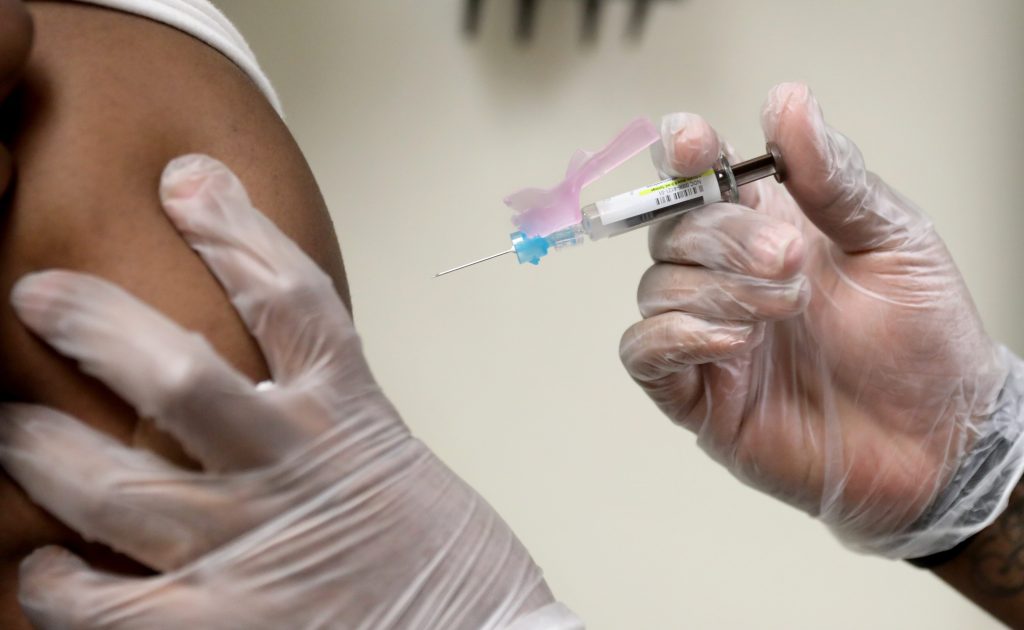
The state of Illinois recommends meningococcal ACWY vaccination for all patients at ages 11 or 12, with a booster dose at age 16.
Most people don’t need to worry about being put at risk by the recent meningococcal infections in Chicago, unless they were in close contact with someone who came down with the illness, “but it’s a good reminder to make sure you’ve gotten all the vaccines you need,” Nguyen said.
“Most people are not going to be in a close-quartered, congregate setting like a dorm, a military barracks or a homeless shelter, but on the off chance you are exposed to that kind of a case or situation, it’s a highly fatal disease,” Nguyen said.
The federal Centers for Disease Control and Prevention recently adopted a number of controversial changes to its childhood vaccine schedule, reducing the number of vaccines it recommends for children. Vaccines to protect against meningococcal disease are among those that the CDC no longer recommends broadly, instead recommending them for children in certain high-risk groups, but otherwise leaving it up to parents and doctors whether to vaccinate individual children who are not at high risk.
Doctors and health experts have taken issue with the CDC’s new recommendations, with the Itasca-based American Academy of Pediatrics releasing its own vaccine schedule. That schedule continues to broadly recommend vaccinations to protect against meningococcal disease, and a dozen prominent medical organizations, including the Chicago-based American Medical Association, have endorsed it.