(Credits: Far Out / Alamy)
Sat 31 January 2026 3:30, UK
After the dust finally settles on classic rock, Paul Simon will always be looked at for the songs above everything else.
Whether it was with Simon and Garfunkel or in his solo work, Simon wanted to make tunes that made people think and told gripping stories, and even if not all of them resonated on the charts, it wasn’t hard to see the raw craftsmanship on display whenever he played one of his tunes. But when looking at his own track record, Simon said that he wasn’t the best in every single field that he played in.
Granted, it’s not like was going to arrange harmonies better than he and Art Garfunkel did. Their music might have been a little laid-back for people who were used to hearing The Rolling Stones at the time, but it takes a strong ear for details for anyone to give up singing a song like ‘Bridge Over Troubled Water’. The tune might have been a masterpiece, but Simon knew it was for the greater good that he gave it to the kind of voice that could sell it rather than keeping every single thing for himself.
The same could be said about his experimental projects later down the line. He may have wanted to work in a few more jazz elements into his songs, but even if Still Crazy After All These Years has a lot of complex changes throughout its runtime, it would have never been able to come to life had he not had people like Steve Gadd or Tony Levin working with him to bring all of them to life.
And had he not secured the right South African musicians for Graceland, chances are the record would have fallen flat on its face. The whole message of the record was about world music and blending different styles, and tunes like ‘Diamonds on the Soles of Her Shoes’ or ‘Under African Skies’ sound like both he and the band are having a cultural conversation through the music half the time.
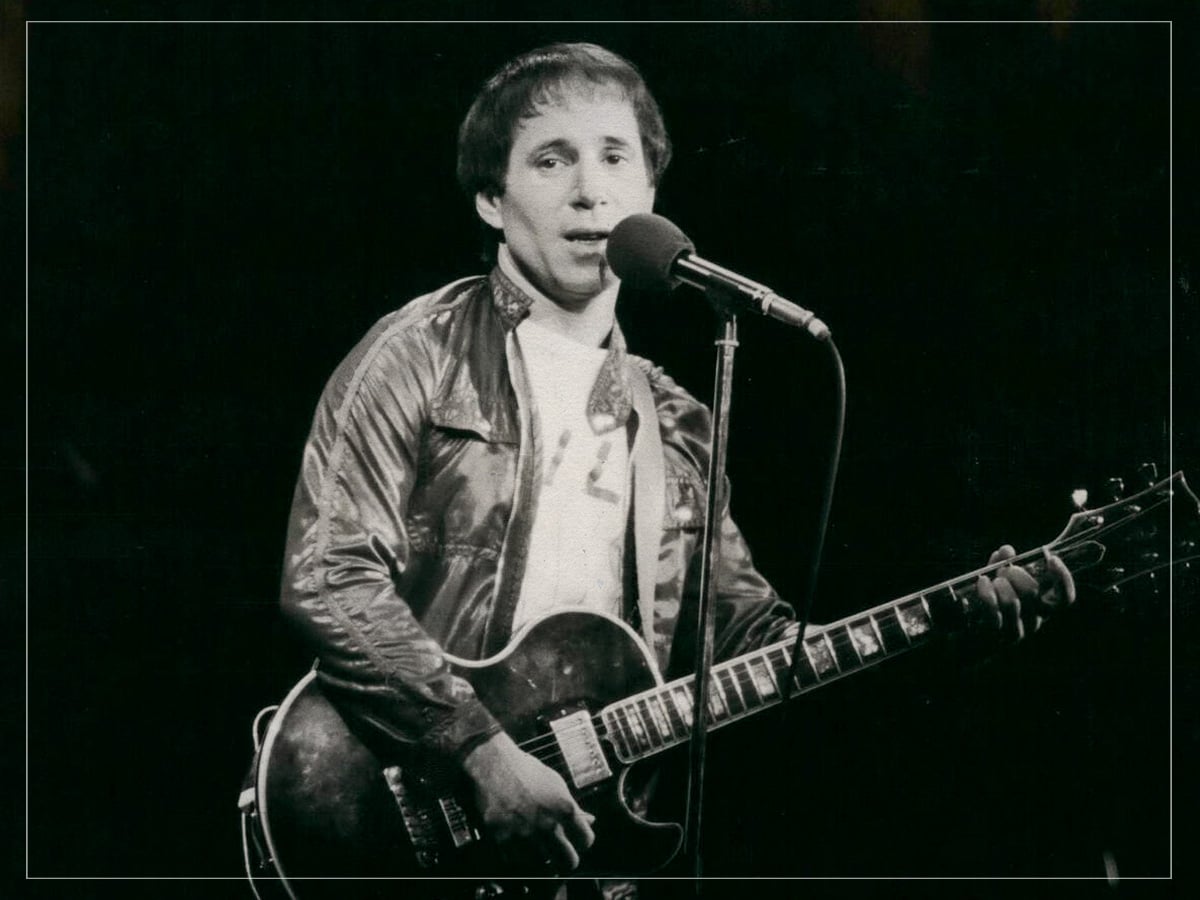
But if you look at the performances from around that time, he kind of needed that energy whenever they got up onstage. Simon really didn’t need to have a rapport with the audience as long as his songs sounded fantastic, but in both his old band and his massive solo outfits, it’s not like people were going to be sufficiently entertained by some random guy singing his little ditties with an acoustic guitar in his hand.
In fact, Simon would be one of the first people to see that he was never cut out to be a proper performer, saying, “I don’t particularly like it. In terms of performing, I’ve never really been comfortable being a professional entertainer. For me, it’s a secondary form of creativity. I guess everyone who goes onstage is exhibitionistic, but there are limits to what I’ll do to make a crowd respond.”
Then again, there’s no real need for Simon to do much when all those fantastic musicians are doing the heavy lifting. It’s impossible for any bass player to do that insane backwards bass run in the middle of ‘You Can Call Me Al’, but all Simon has to do is stand back from the microphone and listen to Bakithi Kumalo absolutely annihilate the part live and watch the crowd go wild after the fact.
To be fair, he’s the one that’s orchestrating every single record that he made, but bringing it to life onstage was never a priority when he was putting together those tunes. He wanted to stretch himself as far as he could possibly go, and as long as he had the right musicians by his side, he was more than happy to take the spotlight off of himself for a little bit when the houselights came on.
Related Topics