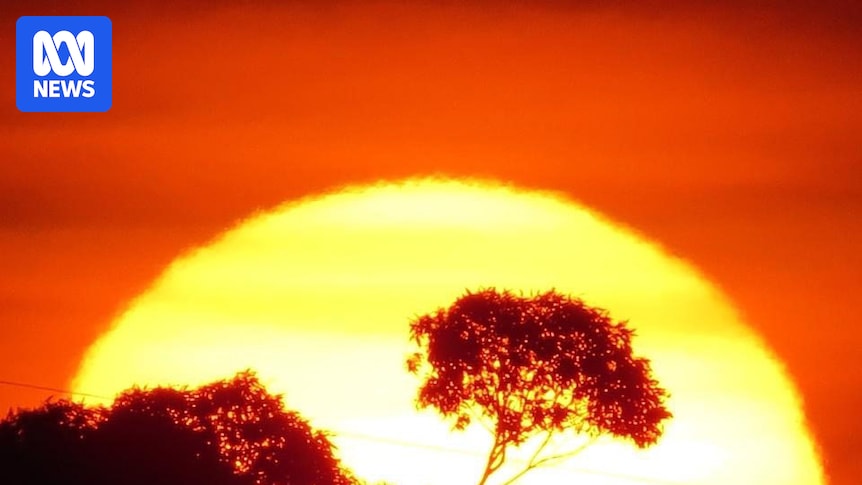
After two heatwaves in January alone, the prospect of seeing 50 degrees Celsius forecast on weather maps across south-eastern Australia is becoming more and more likely.
Just this week, Melbourne’s temperature soared to 45.6C, less than 1 degree below the record that was set on Black Saturday.
While the mercury has reached 50C in Australia before, adjunct professor Andrew Watkins from the school of Earth, Atmosphere and Environment at Monash University says it is likely to start happening more frequently.
“If the globe warms by … up to three degrees, we could be seeing these extreme temperatures up to four times as often through parts of eastern Australia and southern Australia,” he said.
“That’s really getting beyond what’s comfortable for most people or animals or even our forests.”
He said heatwaves were once a rare phenomenon, occurring about every 25 years but they were quickly becoming the new normal, while increasing in length, frequency and intensity.
“As a person, I worry … as a climate scientist … I’m not surprised,” he said.
“It’s a very confronting temperature and certainly should make us sit down and think about our future and the emissions that we release here in Australia and the projects that we approve.”
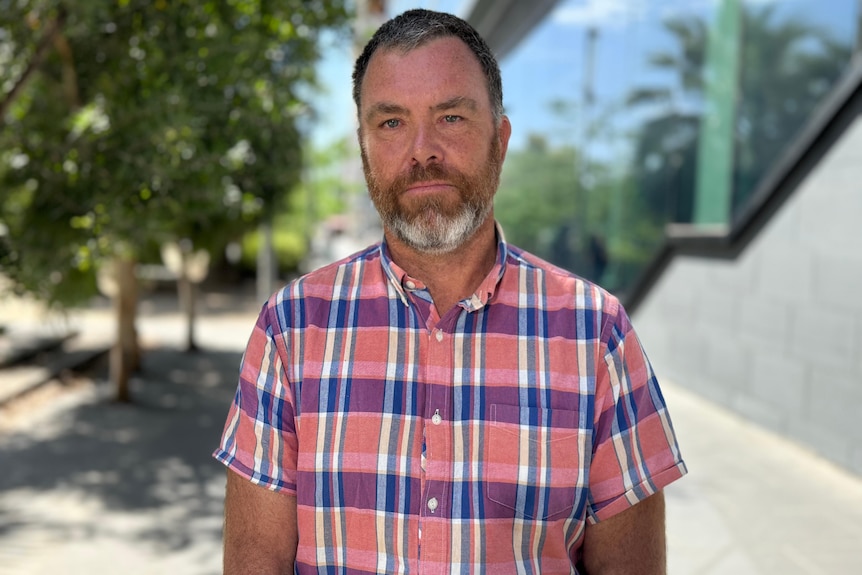
Andrew Watkins was a lead author of Australia’s first National Climate Risk Assessment (NCRA). (ABC News: Ben Knight)
Not built for extreme heat
Heat is our biggest environmental killer, according to Professor Watkins, who said more people had died as a result of heat than all other natural disasters combined.
“In 2009, we saw 374 excess deaths during the heatwave. That’s an incredible number,” he said.
“We also saw 170 people perish in the fires at the same time and those fires were related to the heat as well.”
For someone like Jocelyn Howell, who works in an emergency department, extreme heat is “pretty scary”.
“Most of, even a young healthy, adult’s body mechanisms for dissipating heat stop working [at 50C],” she said.
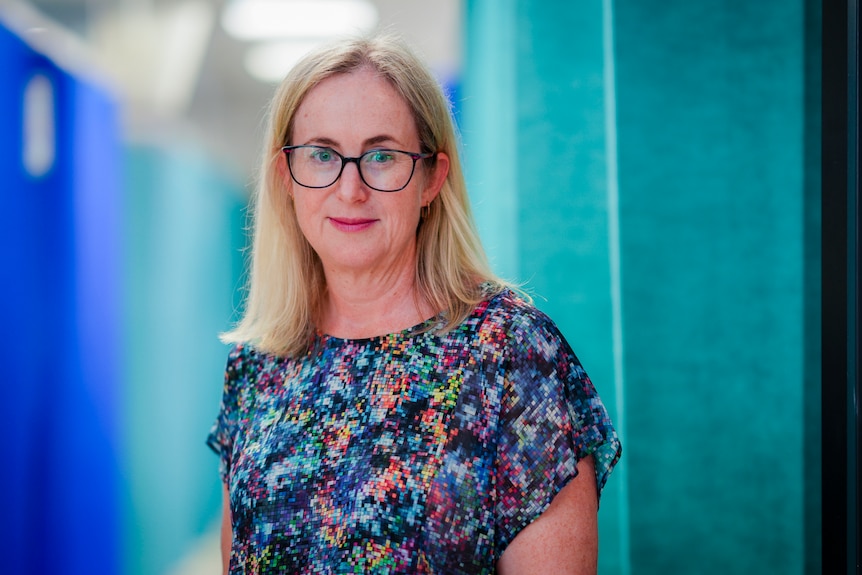
Dr Jocelyn Howell says the prospect of more frequent 50C days makes her “nervous”. (ABC News: Danielle Bonica)
Dr Howell, who is the director of the Emergency Department at Austin Health, said on hot days staff prepared for the “inevitable surges in presentations”.
“We see lots of cases, especially of the elderly population who are very high risk of becoming dehydrated or actually suffering from heat stroke or more acute illness,” she said.
“We are also very mindful of our younger population as well. So small children who are not so good at regulating their own body temperature and can be at risk.”
Dr Howell said everybody could be at risk as heat puts significant strain on multiple organs in the body.
“The first thing that we start seeing is kidney failure [or] kidney damage … but it can also then, if it gets hot enough, it can lead to brain damage,” she said.
“It also makes the risks of other diseases higher as well.
“People will usually feel pretty crappy, pretty ordinary but the main risk is they don’t actually realise it’s due to the heat.”
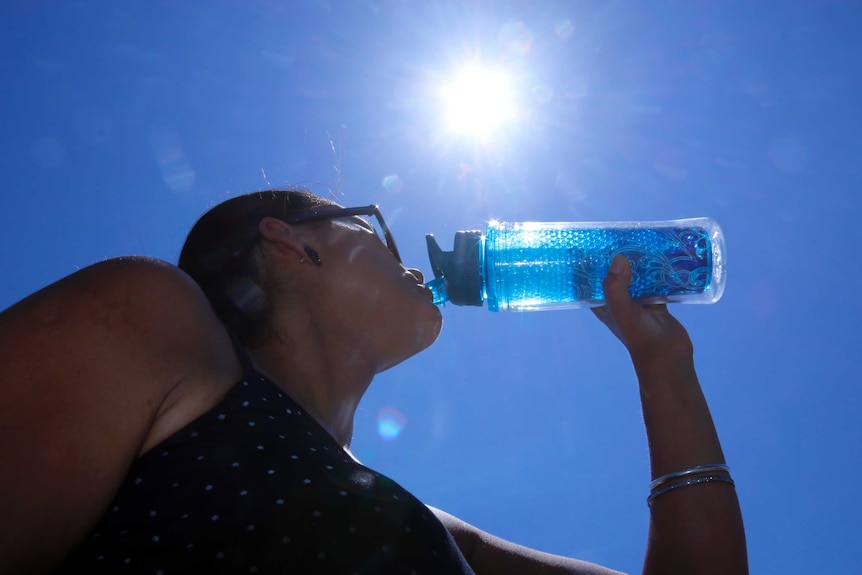
Heatwaves have an impact on the body and can be fatal. (ABC News: Ian Cutmore )
ANU climate scientist Professor Sarah Perkins-Kirkpatrick said high temperatures were concerning given the impact it had on the human body.
“If you’re out in temperatures of 50 plus degrees Celsius, even for just a few hours, your body won’t be able to cope,” she said.
“The blood flow will move away from the inside of your body to try and keep your skin cool, and you’ll effectively cook from the inside out, and it’s not a nice way to go.”
A blow to the economy
With impacts on the body being high, those who work outdoors would be at a particularly high risk.
“You can’t work in 50C heat, whether you’re a labourer, a builder, a farmer — it’s just not physically possible,” Professor Perkins-Kirkpatrick said.
How to avoid heatstroke and when to call Triple Zero
Professor Andrew Watkins said the flow-on effect would have huge impacts to the the economy.
“Nowhere in Australia is really immune from climate change. It’s going to affect us all no matter where we live or no matter what our job is,” he said.
“We could see up to a $400-billion-per-year hit on the economy through lost work time through impacts upon industry and upon infrastructure.”
He said there would be changes to the distribution of diseases, with the likes of dengue and malaria potentially moving further south, particularly impacting the agricultural industry.
“In agriculture … our cattle are just more designed for European conditions in many areas than they are for extreme heat,” he said.
The easiest way to keep safe is by staying cool but Dr Howell says air conditioning does not completely negate the risk.
During the most recent heatwave, more than 90,000 customers were without power, caused by a combination of bushfires damaging electricity assets, trees falling on poles and wires, and heat-related equipment failures.
“Places have air conditioning but not everybody can turn it on or can afford to use it or has access to it,” Dr Howell said.
“I guess it is something that is unevenly distributed across the community.
“I think as a community, as a world, we need to get better at addressing the sources where we can [rather] than managing the impacts of when it’s too late to address.”
Better planning for the future
ABC meteorologist Dr Adam Morgan said the weather pattern last week was fairly typical for extreme heat and broadly similar to what was seen on Black Saturday in 2009.
“There was a high over the Tasman Sea and an approaching cool change from the Bight,” he said.
“Even a tropical cyclone over north-west WA helped to reinforce the heatwave by injecting high pressure air down towards the south-east.”
“But what made Black Saturday so severe was a unique combination of conditions — extremely hot air, with an exceptionally dry landscape at the end of the Millennium Drought, and ferocious, northerly winds.
“Last week, we broke Black Saturday temperature records without that exact combination of factors.”
What’s changed since 2009, is the global climate.
The world’s three hottest years have been 2023, 2024 and 2025, and against a climate that continues to warm in the background, each new heatwave becomes that little bit more intense.
“They’re increasing in their frequency, intensity and duration, consistent with an increase in global average temperature,” Professor Perkins-Kirkpatrick said.
“Over some parts of Australia, the frequency in heatwaves has doubled, whereas in other parts, it’s the intensity that’s changed the most.
“We know that as the planet continues to warm because of human activity, these heatwaves are only going to get worse, which is precisely what we’re seeing in this particular heatwave and the summer overall.”
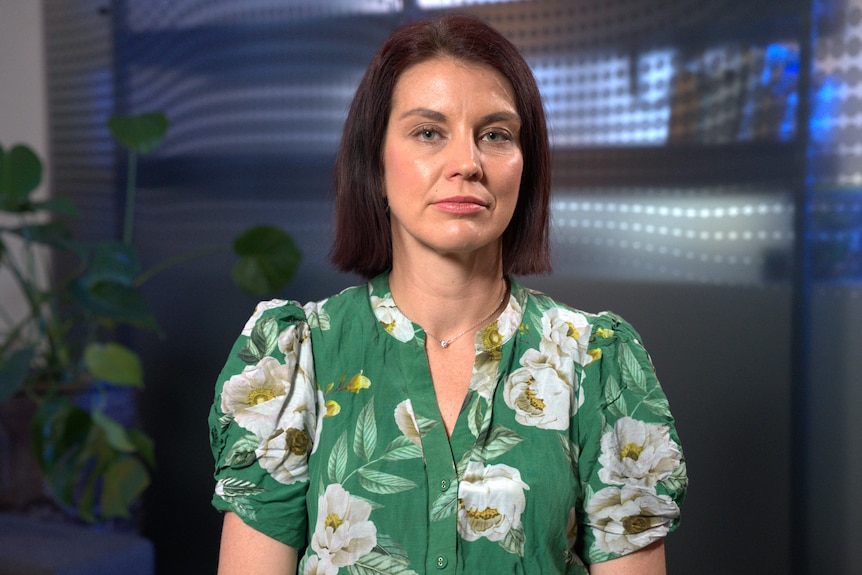
Sarah Perkins-Kirkpatrick says these hot days are “a sign of what’s to come”. (ABC News: Danielle Bonica)
She said better adaption and mitigation strategies were needed but she remained skeptical that enough would be done.
“We’ve had multiple other extreme weather events that have sparked some change and some good change,” she said.
“But, certainly, in terms of taking climate change seriously and what we need to do to mitigate carbon emissions and also adapt for what’s to come, none of these events have done enough.
“I think we need to do better at planning for the worst conceivable event as opposed to the worst event we’ve actually experienced.”