AP Photo/Pat Sullivan, File
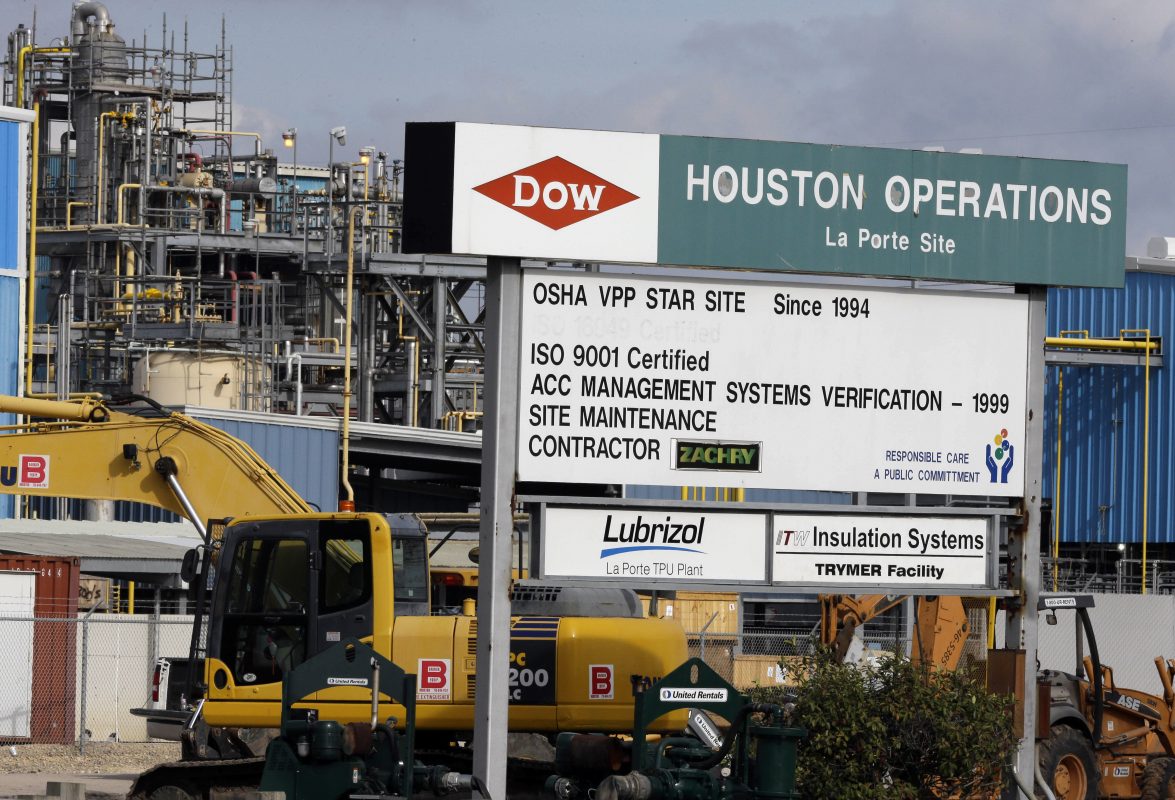
FILE – This Dec. 10, 2015, file photo, shows a Dow Chemical plant in La Porte, Texas.
Dow is planning to cut approximately 4,500 jobs as the chemicals maker puts more emphasis on using artificial intelligence and automation in its business.
The company said Thursday that it anticipates about $600 million to $800 million in severance costs related to the cuts. Those costs are part of a broader plan aimed at simplifying operations and streamlining.
Shares of Dow Inc., which has about 34,600 employees globally, fell 2% before the market opened. Dow is based in Midland, Michigan, and has multiple facilities in the Houston area, where it is one of the region’s largest employers.
In January 2025 Dow executives said the company was seeking $1 billion in cost savings and anticipated cutting about 1,500 jobs worldwide. In July, it announced the closings of three European plants that would eliminate 800 jobs.
There have been thousands of job cuts announced this week after a frustrating year for U.S. job seekers.
Amazon slashed about 16,000 corporate roles on Wednesday — just three months after laying off another 14,000 workers. And United Parcel Service said on Tuesday that it plans to cut up to 30,000 operational jobs this year.
And like Dow, Pinterest said this week that it was cutting jobs partially due to increased usage of AI.
Americans are feeling increasingly anxious about the odds of finding a job, or getting a better one. Economists have said that businesses are largely at a “no-hire, no fire” standstill. Hiring has stagnated overall — with the country adding a meager 50,000 jobs last month, down from a revised figure of 56,000 in November.
Rising operational costs have accompanied layoffs in some sectors, and business leaders cite rising costs, including those from President Donald Trump’s tariffs, as well as shifts in spending.
Consumer expectations for the U.S. economy has plummeted to its lowest level since 2014. That is occurring as some businesses reduce their workforces as they redirect money toward artificial intelligence, often baked into wider corporate restructuring.