Editor’s note: This article includes a member of The Daily Aztec.
As soon as the talk of 2016 sparked, a new internet obsession emerged, one that is being widely celebrated around the world. 2016 is back, and it is here to stay. Almost entirely overnight, the internet collectively decided that 2026 was going to be the new 2016.
2025 was widely regarded as an interesting and unconventional year for many individuals and the world as a whole. In hopes to gain back power over their personal lives, the rulers of the internet, Gen Z, decided to channel all of the energy and feelings we had in 2016 back into our everyday lives.
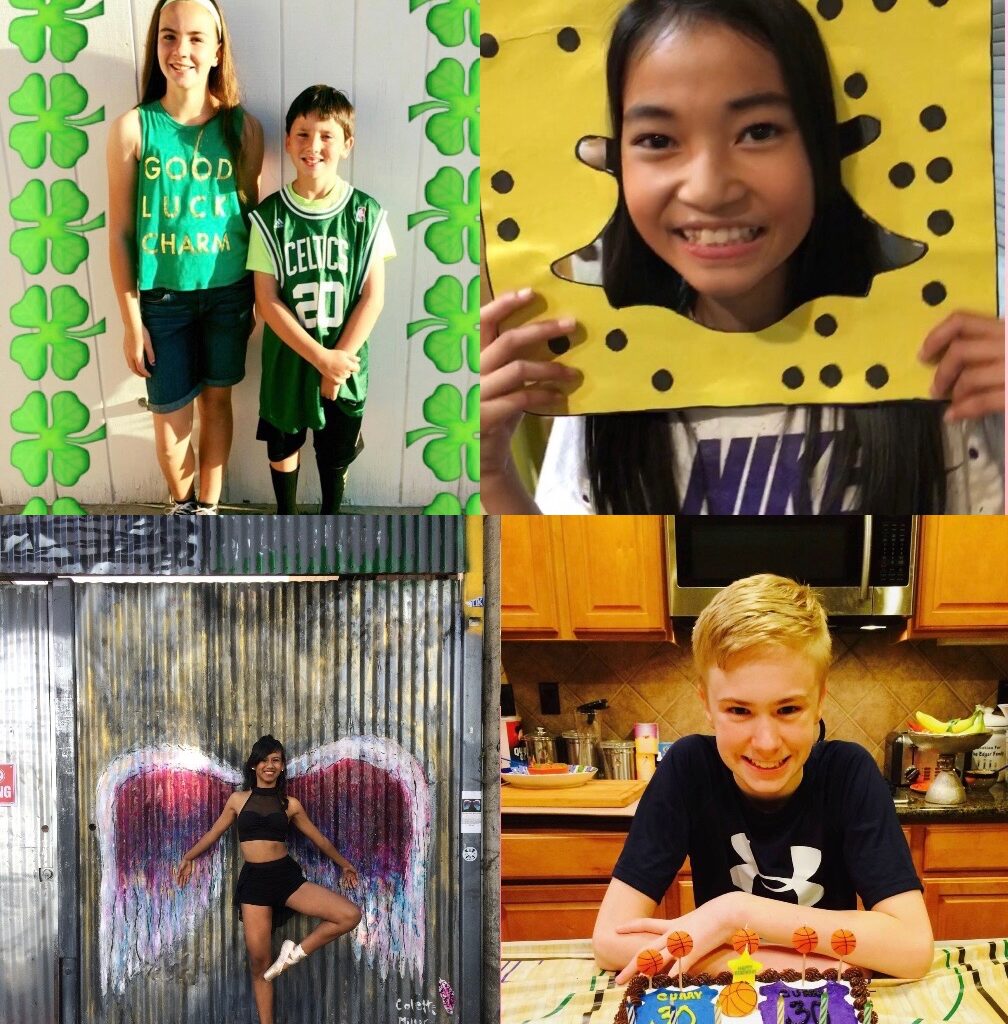
With the release of Fetty Wap (debateably the ruler of 2016 music culture) after his four-year prison sentence, the possible comeback of skinny jeans and the return of Snapchat filters and Kylie Jenner lip kits, these trends all represent a simpler time for society, regardless of your age.
So, what’s the real deal? Why are we clinging to this part of the past, and more importantly, why is it resurfacing now? A few college students shared their points of view and what makes this trend so special.
To start things off, college students are finally at the stepping stone age in their lives where they have lived long enough for different decades to hold real meaning. It is finally possible for us to look back and identify a time period that shaped us.
“For people closer to my age, we were just beginning our adolescence and shaping who we are as people,” said University of Minnesota third-year Ryan Stahl. “Hearing these old songs and seeing these old trends brings us back. I also think so many aspects of 2016, beyond just the music, are still relevant.”
As we exist in a digital age, it is not uncommon that there is always a trend that people feel like they need to model their lives after. In recent years, the internet was embracing the embodiment of the “clean girl”. A style and aesthetic that was not manageable for many has finally come to a close.
“I think for so long we had glamorized the clean girl aesthetic, but when we bring back the 2016 trend, it makes many people feel like they are allowed to be unique again and embrace their individuality,” said SDSU fourth-year Ivana Bustamante.
For many, 2016 resembles a time of simplicity, when the world didn’t feel so heated, and all of our problems were not so large-scale. This seems to be what makes this trend so appealing. To many, thinking of 2016 creates nostalgia for what once was.
“Regardless of your beliefs, the world feels really heavy right now,” said SDSU fourth-year Bella Linz. “2016 felt like the last ‘comfortable’ year. Nostalgia runs in an eight-to-ten-year cycle, and even though there’s always something going on, that era was unserious, colorful, loud and full of personal freedom.”
All in all, 2016 resurfacing is all about recreating the past and reclaiming a sense of security. In a time period that can be defined by absolute uncertainty, nostalgia provides comfort in the unknown. This trend reminds us of who we all were before life started to feel so complicated. For now, that feeling seems to be exactly what is keeping us all going.