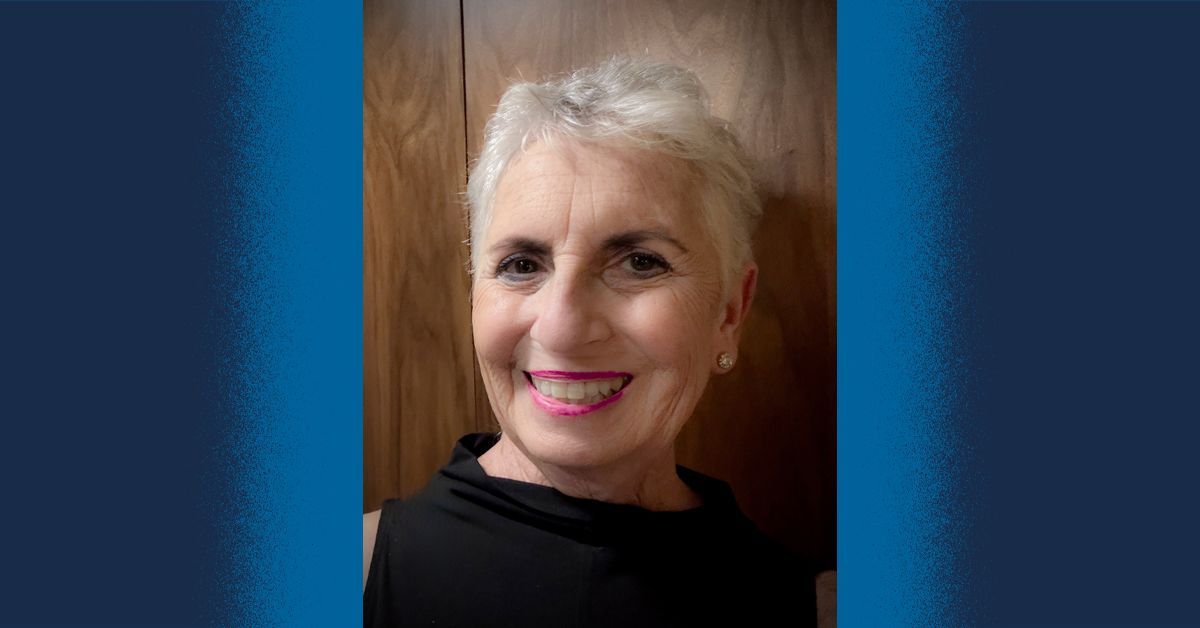
Ancoli-Israel earned her Bachelor of Arts in Psychology from the State University of New York, Stony Brook, a Master of Arts in Psychology from California State University, Long Beach and a PhD in Psychology from UCSF. She joined the faculty at UC San Diego School of Medicine in 1979. Throughout her career spanning more than four decades, she led groundbreaking studies examining the impact of sleep and circadian rhythms on aging, neurodegenerative disease and cancer. She is the author of more than 575 peer reviewed papers, and as of January 2026 her publications have been cited more than 96,000 times.
Ancoli-Israel was among the first to document the high prevalence of obstructive sleep apnea (OSA) and periodic limb movements in sleep among older adults—findings later confirmed by large epidemiologic studies. Her results also showed that OSA was an extremely significant risk factor for mortality, especially in elderly women. Wanting to have a deeper understanding of sleep issues among this population, she led innovative light therapy trials demonstrating that increased light exposure could delay circadian rhythms and improve activity levels for nursing home residents, even if nighttime sleep duration did not change.
Building upon her aging work, Ancoli‑Israel’s research also explored the impact of sleep apnea in patients with neurodegenerative diseases. She conducted the first randomized, double‑blind Continuous Positive Airway Pressure (CPAP) trial in patients with mild to moderate Alzheimer’s disease, showing that CPAP modestly improved cognition, sleep architecture and daytime alertness, and that sustained CPAP use slowed disease progression. Parallel work in Parkinson’s disease and schizophrenia further broadened her impact on sleep‑related aspects of neurodegeneration.