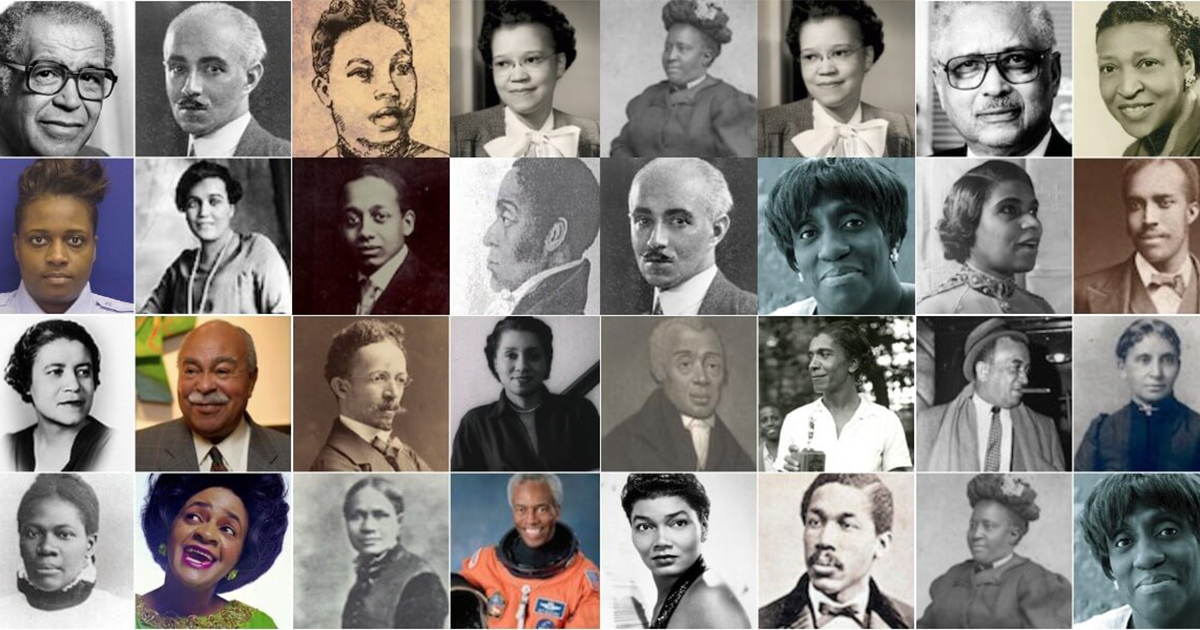
A closer look at Black Philadelphians whose ideas, work, and courage left a lasting mark on our city
Get a compelling long read and must-have lifestyle tips in your inbox every Sunday morning — great with coffee!
Philadelphia’s Black history is vast, visionary … and too often reduced to a handful of familiar names. So, a few years ago, The Philadelphia Citizen asked none other than Charles Barkley to help widen that lens: to spotlight Philadelphians whose influence reshaped science, culture, politics, and more, even if their names never made the textbooks.
Barkley might not seem like the first or most obvious choice for such a project, but the idea stemmed from his experience talking to high schoolers throughout his career and finding that too many Black students had ambitions to be either rappers or NBA players. As he put it to them: That’s not going to happen. As he later noted: None of this is going to change without role models showing another path. And lo, Barkley’s Black History Month All-Star project was born.
Many of these all-stars were innovators in their fields. Many were overlooked even in their own time. All of them offered proof that there has never been just one path forward. We’re revisiting that work now because the questions that inspired it haven’t gone away: Who gets remembered? Whose contributions are treated as essential, rather than optional? And how do we make sure the next generation inherits a fuller, truer sense of what’s possible?
This month, we’ll be sharing a group of Barkley’s “Philadelphia Black History Month All-Stars” each week. Consider it a reminder, maybe — and an invitation — to keep expanding the story of who shaped this city.
Julian Francis Abele
Architect
April 30, 1881 – April 23, 1950
The lines are all Mr. Trumbauer’s, but the shadows are all mine.”
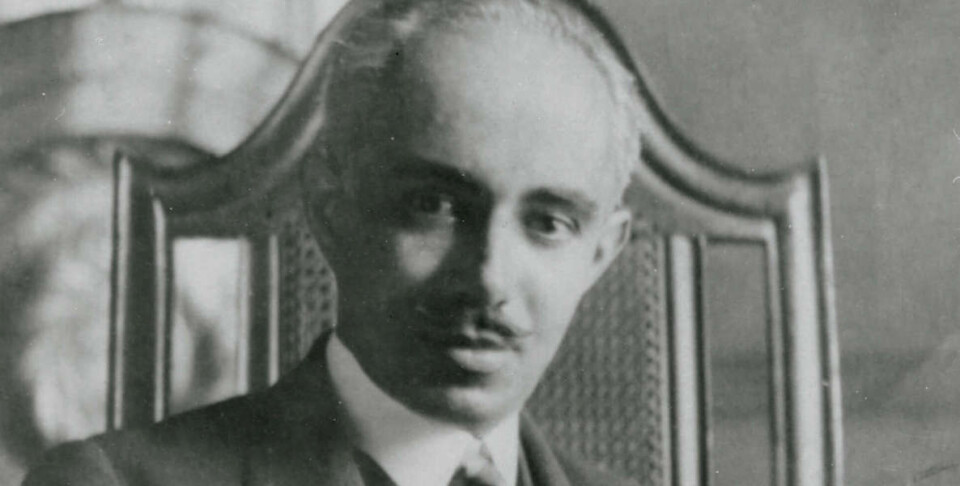
Julian Francis Abele was the first Black graduate of Penn’s architecture school in 1902 and spent most of his career as chief architect of the famed firm of Horace Trumbauer.
He is said to have designed over 400 buildings, including the Philadelphia Art Museum, the Free Library of Philadelphia, the Land Title Building, Harvard University’s Widener Memorial Library, and much of Duke University’s campus. (According to his family, Abele refused to visit the buildings he designed at Duke because “he did not wish to experience the harsh segregated ‘Jim Crow’ laws of the South.”)
Still, true to the times he lived in, Abele was not credited for most of his work until after his death. He was not allowed in Penn’s dorms or cafeterias as a student; and he was not admitted into the American Institute of Architects until 1942.
Sadie Tanner Mossell Alexander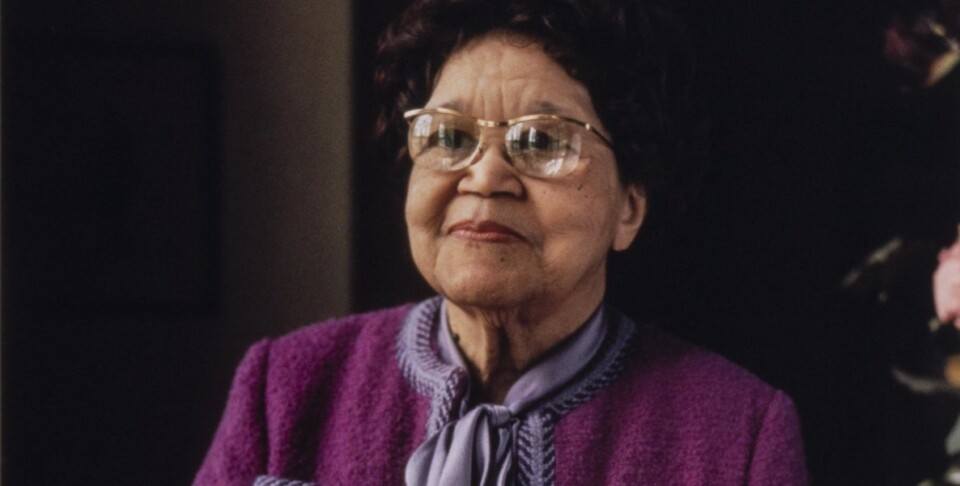
Sadie Alexander in 1982 / Photograph courtesy of the Schlesinger Library on the History of Women
Lawyer
January 2, 1898 – November 1, 1989
I never looked for anybody to hold the door open for me. I knew well that the only way I could get that door open was to knock it down: because I knocked all of them down.”
The first Black female lawyer in Pennsylvania, Sadie Alexander was Philly’s assistant city solicitor at a time — the 1930s — when few women of any race held city titles.
Even as a young woman, Alexander knew that education was the key to her success. She was the first Black woman to graduate from Penn Law, and the first in the nation to get a PhD in economics (and only the second Black female PhD recipient in the country) — two of her five eventual degrees.
Later, she helped author President Harry Truman’s report on civil rights.
Richard Allen
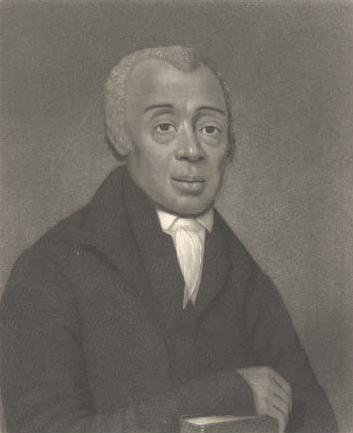
Preacher/Civil Rights Activist
February 14, 1760 – March 26, 1831
This land, which we have watered with our tears and our blood, is now our mother country, and we are well satisfied to stay where wisdom abounds and the gospel is free.”
An inspiration to Frederick Douglass and Martin Luther King Jr., Allen was a religious man — and wholly devoted to the African American cause.
He was born into slavery and bought his own freedom at the age of 23. After hearing a Methodist preacher speak out against slavery, Allen became a Methodist himself.
In 1794, he and 10 others founded the Bethel Church, a Black Methodist church that stood on a plot of land, in what is now on the edge of Society Hill, that Allen purchased with his meager earnings as a chimney sweep and shoemaker.
Allen and his wife used the church for prayer, but also as a stop along the Underground Railroad for hiding runaway slaves. W.E.B. Dubois called Mother Bethel, “By long odds the vastest and most remarkable product of American Negro civilization.”
It became more vast and remarkable once it turned into a subsidiary of the African Methodist Episcopal Church (A.M.E.) — the first national Black church in the United States. Allen was an early face of the Civil Rights Movement, and Richard Newman went so far as to call Allen “[The] Black Founding Father.”
Caroline Still Anderson
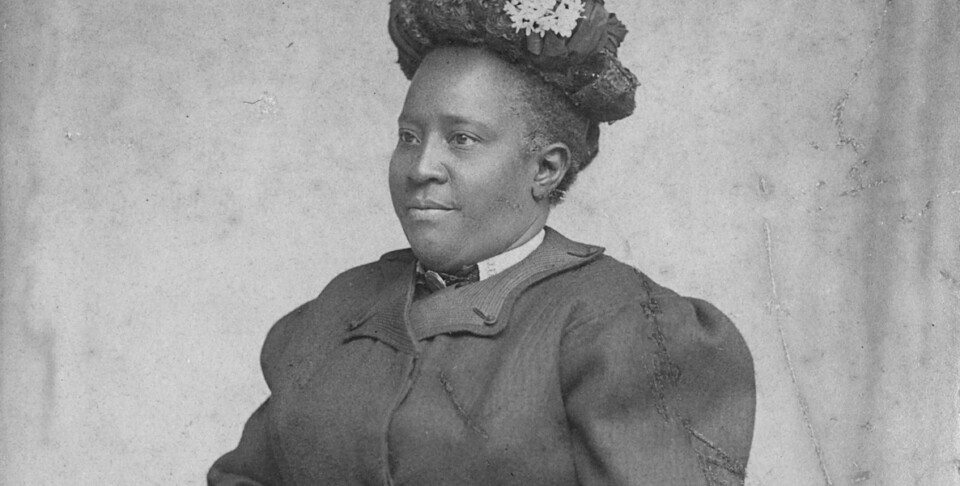
Physician
November 1, 1848 – June 1 or 2, 1919
I am tired of being so situated as to accomplish so little either for myself or anybody else”
The daughter of abolitionists, Anderson graduated as the youngest in her class and earned her B.A. at 19.
She taught elocution, drawing and music until 1875, when she decided she wanted to go to medical school.
After initially being rejected because of her race for an internship at Boston’s New England Hospital for Women and Children, Anderson went in person and awed the board, who unanimously voted to hire her. She returned to Philly, opened her own dispensary and medical practice, and then began teaching hygiene and public speaking.
She also opened her own liberal arts school, Berean Manual Training and Industrial School, that was praised by W.E.B. DuBois, along with her other work for the Black community in Philadelphia.
A colleague of Anderson, Dr. Matthew Anderson said, “I cannot find words sufficiently expressive of her value to me in this work. For over thirty years [Caroline] has been my chief inspiration and unfailing support. When I would become weak and think of giving up the work because of the discouraging aspect she was always able to infuse in me new courage and zeal to go forward. Like myself, she was by birth and training peculiarly fitted for this work …. A burning zeal to assist in improving the condition of her race in every way, fitted her to be my companion in this work.”
Marian Anderson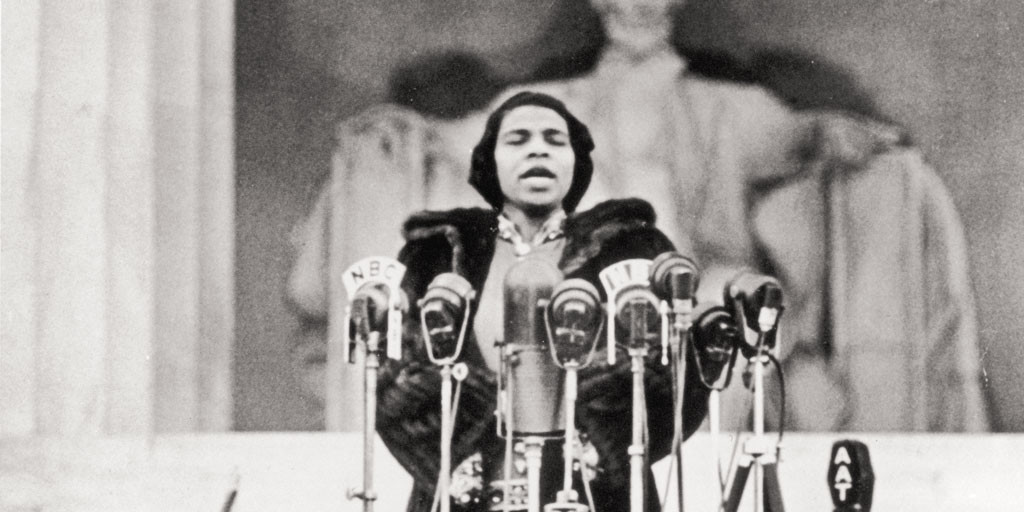
Marian Anderson at her Easter Sunday 1939 concert / Photograph by Hulton Archive/Stringer/Getty Images
Singer
February 27, 1897 – April 8, 1993
I could not run away from the situation. I had become, whether I liked it or not, a symbol, representing my people. I had to appear.”
Despite the resistance Marian Anderson faced in venues across the country, she became one of the city’s fiercest and most successful performers, as well as a deliberate (and inadvertent) Civil Rights hero.
She played with the New York Philharmonic in 1929, but is best known for her Easter Sunday 1939 concert on the steps of the Lincoln Memorial before 75,000 people, with millions more listening live on NPR. That show happened because the Daughters of the American Revolution in Philadelphia refused to allow Anderson to perform at Constitution Hall, prompting Eleanor Roosevelt to resign her DAR membership and arrange the open-air show for Anderson in D.C.
Anderson toured extensively throughout Europe, where her remarkable talent was appreciated by none other than Arturo Toscanini, who told her, “Yours is a voice such as one hears in 100 years.”
Back home, it wasn’t until 1955 that she became the first African American to sing at the Metropolitan Opera. She fought for more than just her own chance at fame: She was a major part of the Civil Rights Movement, performing in D.C. again for the March on Washington in 1963.
Charlene Arcila
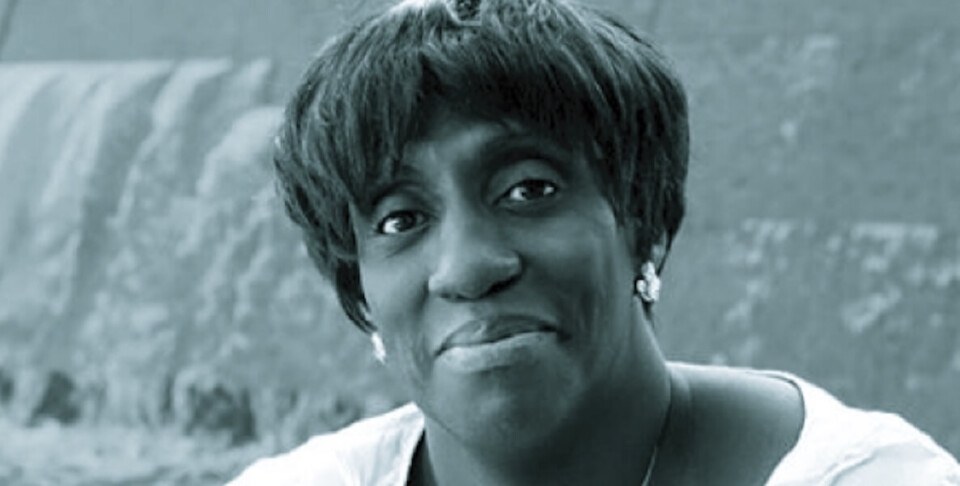
LGBTQ Activist
January 2, 1963 – April 7, 2015
The important thing is to feel connected to people or communities beyond yourself. That plays a major role in reducing isolation and helping us get out of our own heads, gives us a framework for coping, and provides support when things get tough.”
Charlene Arcila came out as a transgender woman as soon as she moved to Philadelphia from Mississippi in 1990.
She worked for the Philadelphia AIDS Consortium for 20 years, during which time she also founded the Philadelphia Trans-Health Conference. Arcila also led the grassroots movement to ban gender markers from SEPTA passes in 2013, arguing them discriminatory against transgender and gender-nonconforming people. She served as treasurer for the William Way LGBT Community Center and as a member of the board of directors for the Mazzoni Center, a health-care provider in Philly that serves the city’s lesbian, gay, bisexual, and transgender communities.
Pearl Bailey
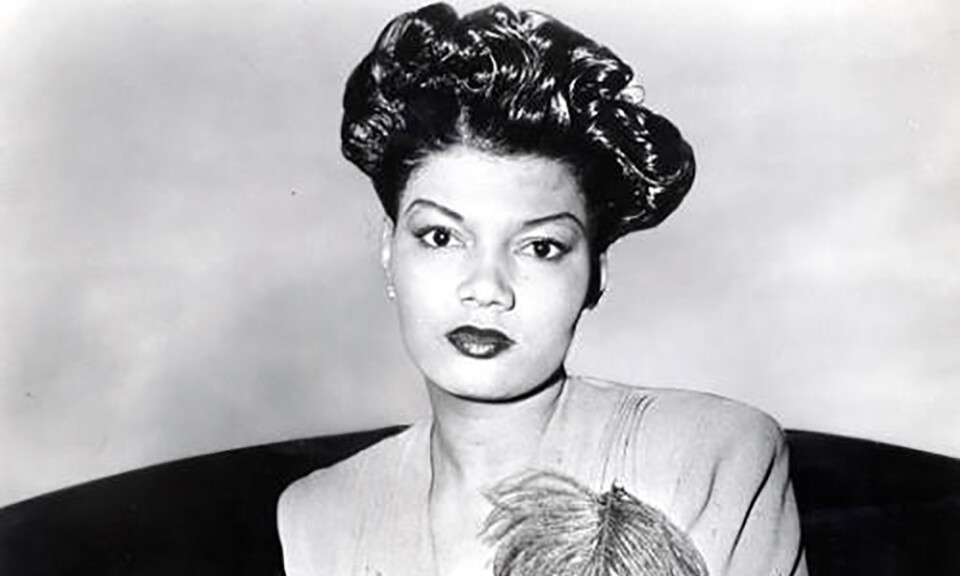
Singer / Actress
March 29, 1918 – August 17, 1990
No one can figure out your worth but you.”
Pearl Mae Bailey was a rousing singer and actress, known for live performances that mixed humor and music, and for a long stage and movie career. She got her start in Black Philly nightclubs in the 1930s, performing with the U.S.O. during World War II, and then on Broadway, film, and television.
Bailey won a Tony for the title role in an all-Black version of Hello Dolly!, which also starred Cab Calloway.
Her best known stage roles were Maria in Porgy and Bess and Frankie in Carmen Jones, and her hit songs were plentiful: ”Two to Tango,” ”Toot Toot Tootsie, Goodbye,” ”That’s Good Enough for Me,” and “Fifteen Years (And I’m Still Serving Time),” to name just a few.