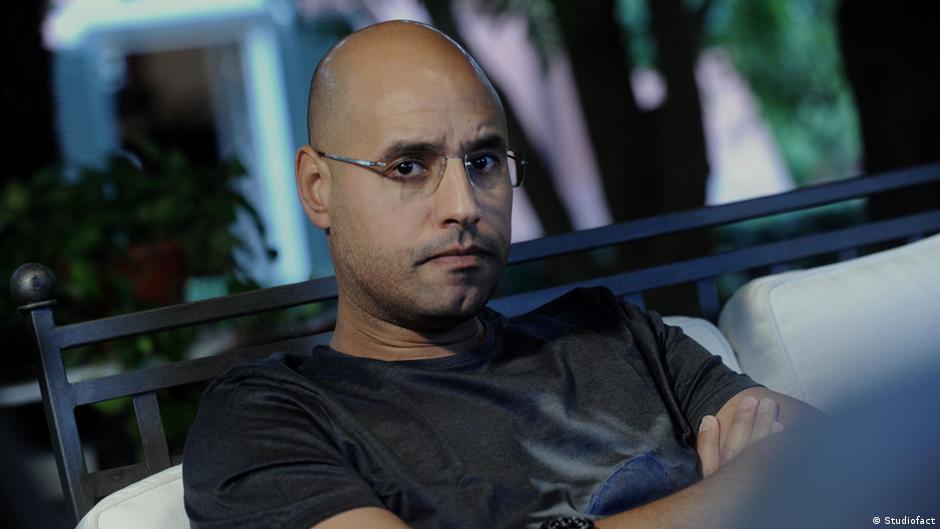
Libyan officials on Wednesday said Seif al-Islam Gadhafi, the son of former Libyan strongman Moammar Gadhafi, was killed in a shooting at his residence in the western Libyan city of Zintan.
Seif is thought to have been seeking a return to public life in a country still bitterly split between rival governments and armed groups.
What do we know so far?
Libyan prosecutors have opened an investigation into the killing.
The public prosecutor’s office said forensic teams were sent to Zintan, and that efforts were under way to identify suspects.
“The victim died from wounds by gunfire,” the office said, adding that investigators were seeking to speak with witnesses and anyone who may be able to shed light on the incident.
Who was Seif al-Islam Gadhafi?
He was the second-eldest son of Libya’s late ruler Moammar Gadhafi, who governed the country for more than four decades.
Before his father’s overthrow in 2011, Seif al-Islam had been associated with efforts to promote limited political and economic reforms.
During the 2011 uprising, however, he publicly supported the government’s violent crackdown on protests.
How did the killing happen?
Seif al-Islam’s political office has said four masked men stormed his residence in Zintan and killed him in what it described as a “treacherous and cowardly” act.
His lawyer, Khaled al-Zaidi, has confirmed that he was assassinated at his home.
The al-Arabiya television channel has reported that the 53-year-old was shot dead in the garden of his residence, citing sources close to the Gadhafi family.
Speculation has focused on militias close to the Tripoli-based government of Prime Minister Abdul Hamid Dbeibeh after the killing. A statement from a militia aligned with the ministry rejected those allegations as false.
Seif’s renewed effort to return to political life is a move that could have challenged Dbeibeh and his allies.
Gadhafi’s political office urged the Libyan judiciary, the international community, the United Nations and human rights organizations to launch an independent and transparent investigation at both the local and international level.
Edited by: Elizabeth Schumacher