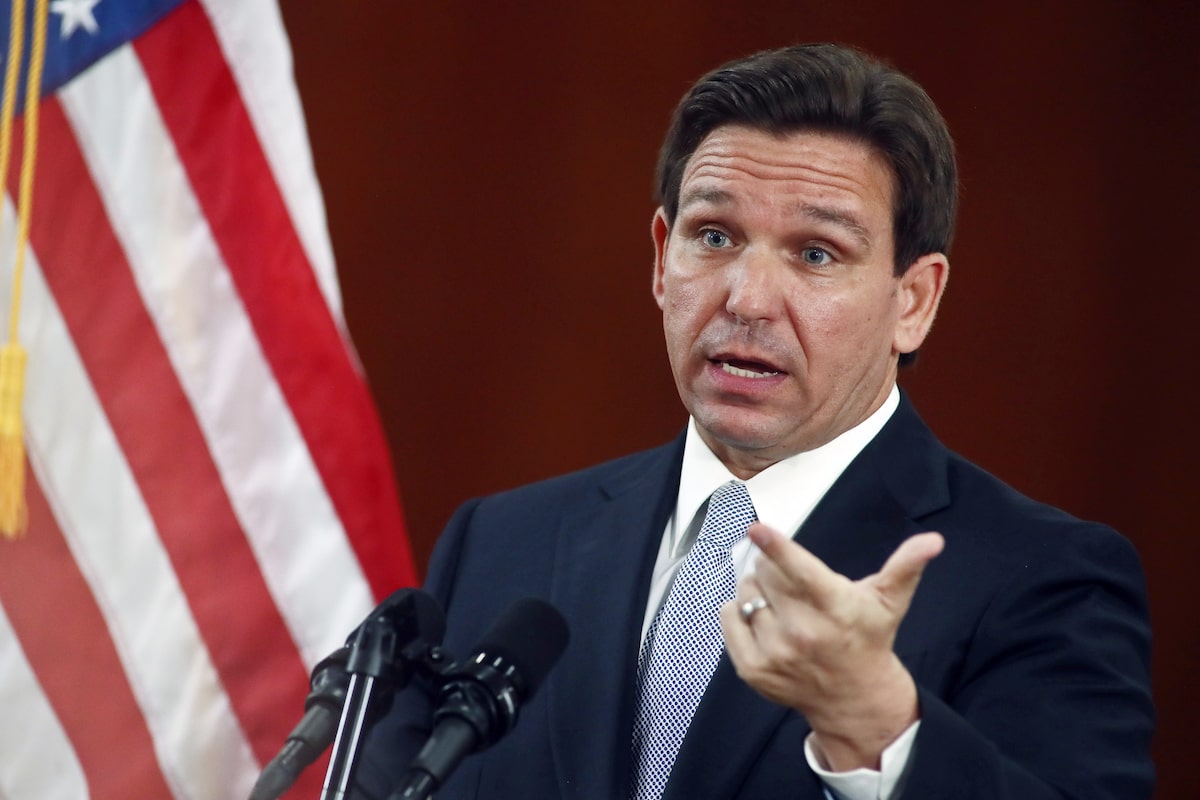
Florida Governor Ron DeSantis at the state Capitol in Tallahassee, Fla., in 2023. Mr. DeSantis has proposed addressing the high price of pharmaceuticals by importing medication from Canada.Phil Sears
Canada’s drug makers and distributors say they are not working with Florida to export cheaper medication to the American state, despite Florida’s government insisting such a program is in the works.
Since 2019, Florida Governor Ron DeSantis has proposed that state drug plans could address the high price of pharmaceuticals by importing medication from Canada, where it is cheaper. Industry data suggest average U.S. prices are more than triple those in Canada for the same products.
Canadian manufacturers already sell about $7-billion worth of pharmaceutical products to the United States each year and would be essentially undercutting the prices they are already charging in the U.S. if they export some products at Canadian prices.
In 2024, the U.S. Food and Drug Administration approved Florida’s plan to import drugs, though only for two years.
This week, Politico reported that no drugs have yet been shipped through the program, although the state had gone as far as opening a warehouse at a cost of more than US$80-million. The site has since been used to house emergency equipment for hurricane season.
Earlier: White House, Florida promote Canada drug imports while tariff threat looms
Canada will be a launching pad in the global race for generic Ozempic
Molly Best, press secretary for Mr. DeSantis, told The Globe and Mail in an e-mail that the state is still going ahead with the drug-importation program.
“Florida’s vendor has been working diligently to negotiate with Canadian manufacturers and distribution partners to purchase and import eligible prescription drugs into the U.S.,” she wrote.
Ms. Best said the state will meet with the FDA in March to discuss “challenges states are experiencing with manufacturers.” She said the state’s FDA approval has been extended until May 6.
Associations that represent Canadian drug manufacturers and distributors told The Globe they are not working with Florida on this program.
Innovative Medicines Canada “has not spoken to Florida about this, and to our knowledge, neither have our members,” said Erin Polka, vice-president of communications for the group, which represents patented drug makers.
Angelique Berg, chief executive officer of the Canadian Association for Pharmacy Distribution Management, said they likewise are not aware of any distributors in talks with Florida.
She said Canadian prices are cheaper because of the public health care system and different ways that Canadian regulators control costs, which means that changing pathways for how the products are shipped would not address the high U.S. prices.
“Quite frankly, the entire idea is bewildering,” she said.
A pharmacist consults with a patient at a pharmacy in Miami in Feburary, 2022.SCOTT MCINTYRE/The New York Times News Service
After the FDA approval of Florida’s plan in 2024, Health Canada warned drug companies, wholesalers and distributors not to export pharmaceuticals outside of the country if doing so would cause or worsen domestic shortages.
The department reiterated those concerns when contacted by The Globe on Wednesday.
Florida’s plan also runs counter to some of the other initiatives coming from the Trump administration to address pharmaceutical pricing and manufacturing.
U.S. President Donald Trump frequently threatened tariffs on pharmaceuticals throughout 2025, including the launch of a national-security investigation into the drug supply chain in April, and an announcement in September that he would impose 100-per-cent tariffs on branded drugs made by companies without a manufacturing presence in the United States. However, the threatened levies never materialized, and, if imposed, could lead to higher prices for patients if manufacturers passed through the costs.
In recent months, the Trump administration has focused more on signing “most favoured nation” agreements with drug makers, in which they pledge to lower the U.S. price of a medication in exchange for better reimbursement through Medicare insurance plans.